In order to continue to deepen the effectiveness of science and technology services in the countryside, to better match the core needs of farmers at the grass-roots level and new agricultural operators in the early spring, to deliver agricultural services to the fields and to break down the production constraints. On 27 february 2026, the dean of the horticulture and forestry college, yang feng, led a team of leading teachers, such as yang ling, yanya thong and zhang raining, organized a scientific and technical service group to bring together the government of the region and the relevant agricultural authorities, to reach out to local facilities in agriculture, to conduct field visits and precision technical guidance for early spring production, and to provide farmers with “first class in farming techniques”, which is full of dry supplies。
The technical and technological services focused on the core pains of agricultural development of local facilities, and the team of experts went to the salin improvement sheds, the blueberry specialty greenhouses and modern nursery plants to face-to-face questions, hands-on instruction and specialized techniques to protect agricultural production in the early spring, focusing on key topics such as the upgrading of the facility's agricultural technology, the improvement of the saline complex, the decomposition of soil barriers and the construction of a quality seed system。
Salabilitation effectives, custom-made planting techniques
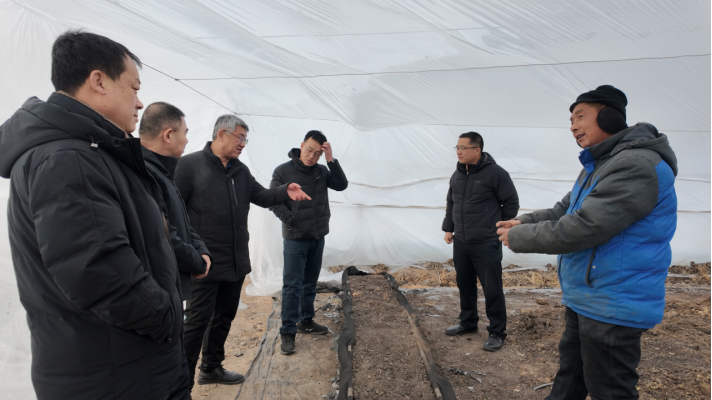
In the first farm shed in the region, where saline melons were being tried, the panel visited the landing of new technologies such as trough-based cultivation and multilayer coverage. In a live presentation by farmers, the first two years of testing of melons in salinized lands had seen initial success, but traditional trophic migration processes were cumbersome and inefficient, and poor aerobics were being cultivated with silk bags, constraining production and quality improvement. This year, a determined effort was made to advance the technical iterative process, not only by completing the standardization of the cell, but also by planning in advance an efficient rotation model of “one melon, two gills” and making every effort to increase land use and crop efficiency。
“salinization facilities are an effective solution to the problem of the scarce and inefficient resources of high-quality arable land and are moving in the right direction. The president of the yang feng army, who sits next to the planting tank, scrutinizes the base ratio and the strength of the plant, and gives high recognition to the farmer's exploratory practice. With regard to the details of field management, mr. Kenya thong, in conjunction with the soil characteristics of the saline soil, directs farmers in the field to conduct integrated water fertilization and precision control during the critical period of the melon sit-in, minimizes the impact of soil salinity on the vitality of the root system of the crop and ensures normal expansion and development of the fruit. It is clear from the scene that the college will use the farmer as a model site for the cultivation of saline facilities, conduct technical follow-up services throughout the course, from seed screening, plant management, pest and disease control to post-benefit analysis, systematize farming experiences and develop replicable and replicable standard technical protocols that will truly transform saline “no hairy land” into an efficient and productive “pastoral land”。
Precise blueberry planting. Topic
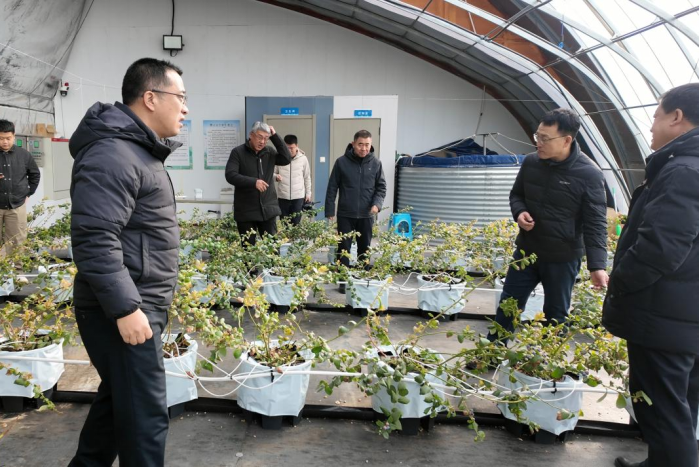
Into the blueberry greenhouses, some of the plants were green and green, with their long and weak growth and abnormally falling leaves, leaving farmers in a state of uncertainty. The mission quickly diagnosed the core issue as being too alkaline for the soil, resulting in essential trace elements of crops such as iron and magnesium being fixed by the soil and unable to be absorbed by the blueberry root system, with the desired effect of increasing fertilizer。
“blueberries are typical alkyl crops, soil alkalinity is a central prerequisite for successful cultivation, the soil environment is unwell, and all subsequent field management will be more than successful.” mr. Yang ling sampled soil and tested irrigation water quality in the field, initially determining that soil ph values exceeded the standard, and immediately gave hands to guide farmers to gradually improve their root soil environment and restore their plants to normal growth patterns through the application of special acid fixants and increased organic fertilizer. Ms. Zhang said that she had detailed key data such as plant disease, greenhouse temperature, sent samples back to the laboratory for specific nutrient analysis, produced a technical and specialized diagnostic report as soon as possible and provided a scientific basis for subsequent precision improvements。
Upgrade the nursery plant, build the foundation for industrial development
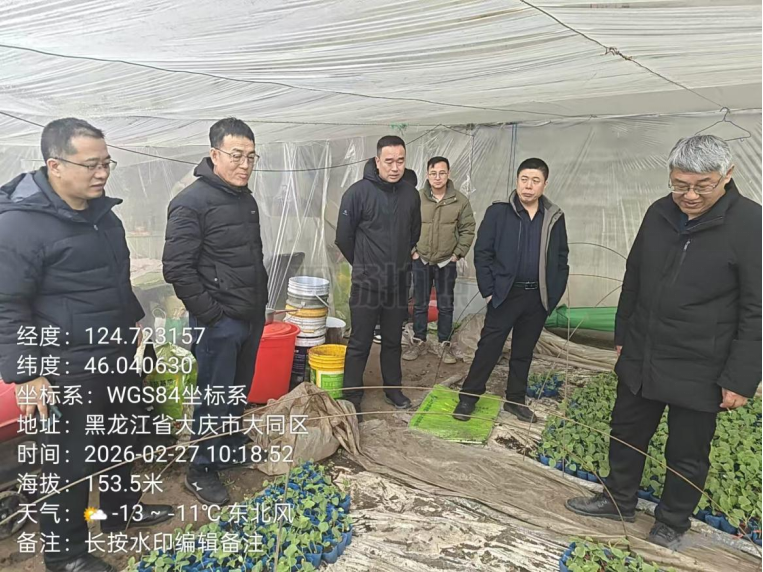
Locally scaled modern nursery plants, a line of standardized seedlings are organized in such a way as to demonstrate good breeding results through the growth and strength of fertilized melons. The head of the plant described the significant increase in the rate of seedling production based on the birth of a child by marriage and, as market orders continued to grow, plans were made this year to further expand the area of seedlings and to make every effort to ensure their availability to neighbouring farmers. The team of experts looked at the emergence of seedlings and the healing of the matrimony interface, focusing on professional advice on key aspects such as post-nuptage conservation and protection of interfaces; and ms. Kenya thong, based on the green control of shrimp diseases, proposed targeted optimization programmes in the areas of temperature and humidity control in the sheds, timing control of seedlings, pest prevention of infestation in the nursery, and helped to develop more seedlings, quality seedlings and seedlings for the development of local facilities。
This trip to the early spring science and technology services in the co-region, where the panel directly addresses key agricultural production challenges at the grass-roots level, such as the integrated use of salin lands, the management of soil barriers and the upgrading of nursery technology, has not only resulted in on-site solutions to technical problems, but also in the establishment of medium- and long-term follow-up services for local farmers and operators, which have enabled them to reach “last kilometres” of technological support. On the way back, the president of the yang feng jun stated that the current demand for production among farmers has shifted from a basic “learning species” to a high-quality, cost-effective “specified, cost-effective and well-solded” and that the institute's scientific and technical services must be upgraded at the same time and with the same precision. In the future, the horticultural and forestry colleges will continue to carry out their science and technology promotion mission, insisting on building research laboratories in the fields, writing papers in broad fields, making agricultural science and technology the most powerful “hard-nuclear farm tools” for farmers to produce in spring, and giving agricultural development to facilities in the metropolitan area with a professional agro-technical capacity to inject strong scientific and technological energy into the overall promotion of rural revitalization。