Today, the safe production library presents a very practical and comprehensive safety operating protocol for construction machinery。
The file system provides safety instructions for all types of mechanical equipment in the construction scene and is an important guide for ensuring the safety of construction and regulating the operation of equipment, which can effectively reduce the risk of safety incidents arising from inappropriate operations。
I. Overview of the training presentations
(i) core positioning: this is a specialized training package focusing on the safe operation of mechanical equipment in the construction area, which provides standardized and refined guidance on the operation of various construction machinery around the “safe operation” core, covering the full process security requirements before, during and after the operation of the equipment。
(ii) areas of application: this applies mainly to the construction industry, including areas involving large and small- and medium-sized mechanical equipment, such as building construction, roads and bridges, municipal works and water works。
(iii) persons who apply:
Special operations operators at the construction enterprise, such as tower crane drivers, construction elevator drivers, welders, etc., who require special operating permits
(b) security managers for construction projects, for daily security inspections, operational supervision and security training sessions
(b) new employees and interns at the construction enterprise to serve as a core course for pre-service security training and to help quickly master the safe operating basis of the equipment
The unit's equipment supervisor is used to verify that the construction machinery is operated in accordance with safety regulations。
Ii. Specific content of the training course
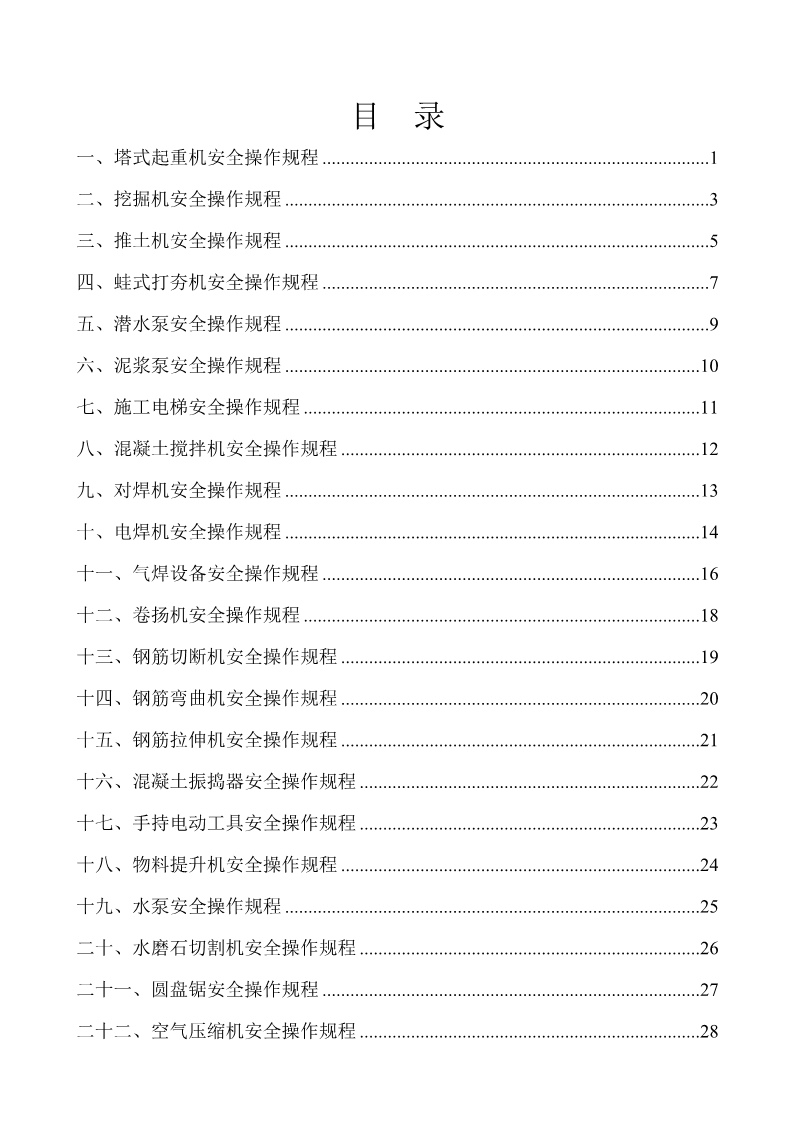
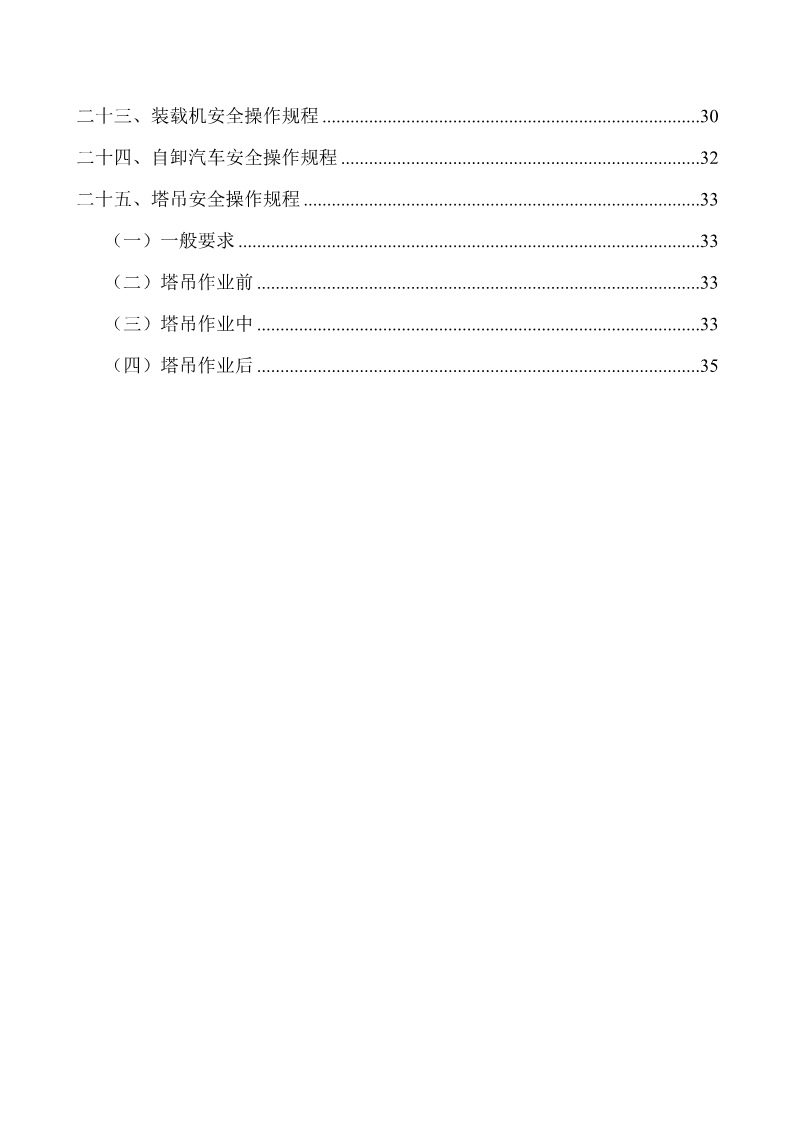
(i) coverage of equipment: the curriculum contains safety protocols for 25 types of construction machinery, ranging from large lift transport equipment to small- and medium-scale processing, boosting equipment, as follows:
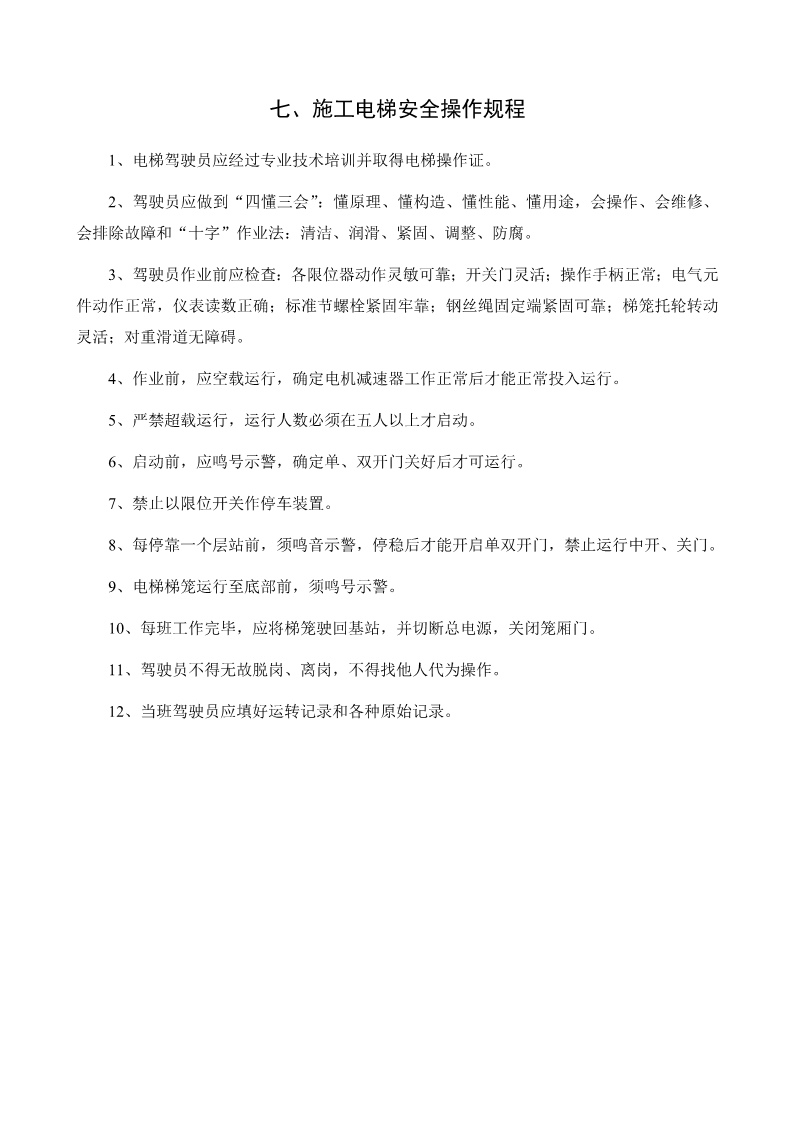
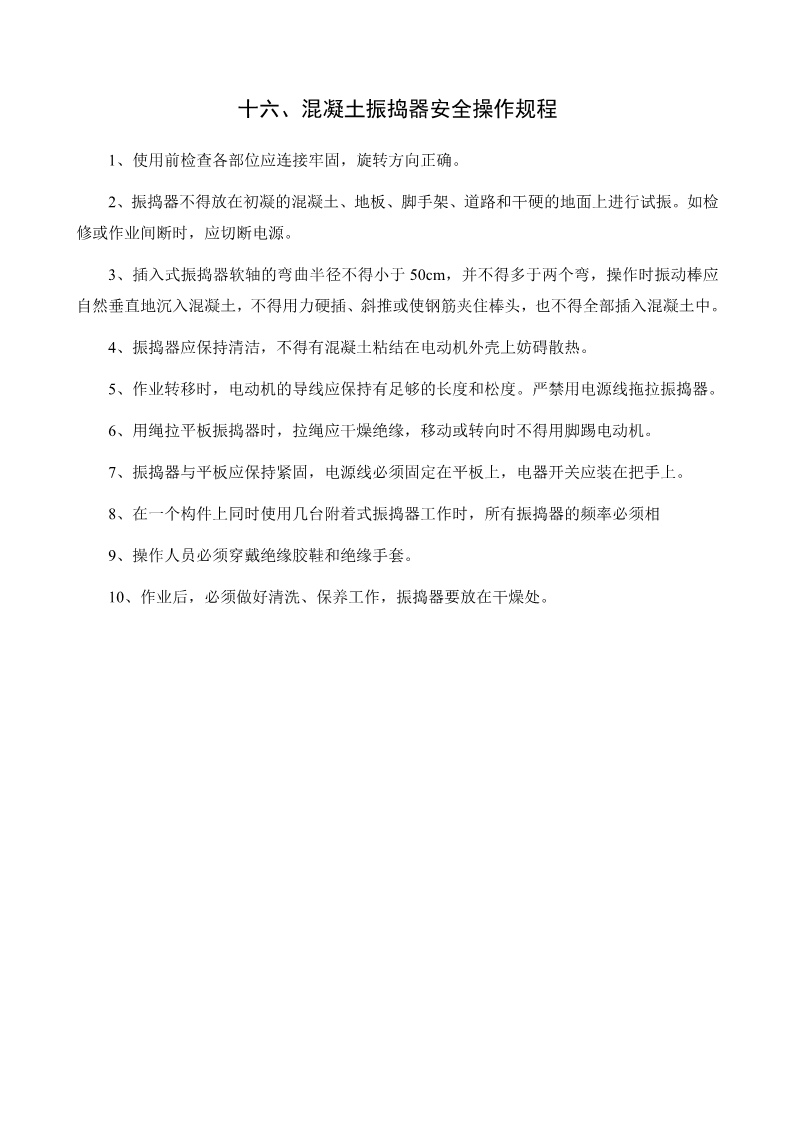
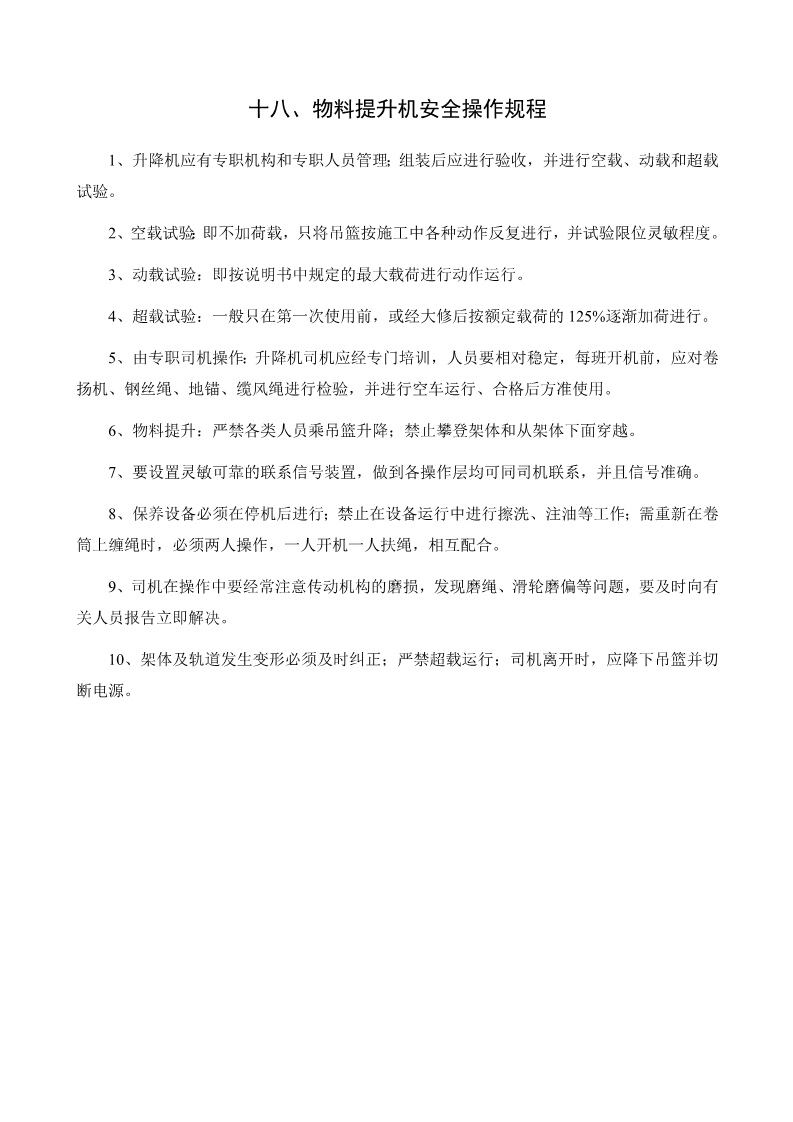
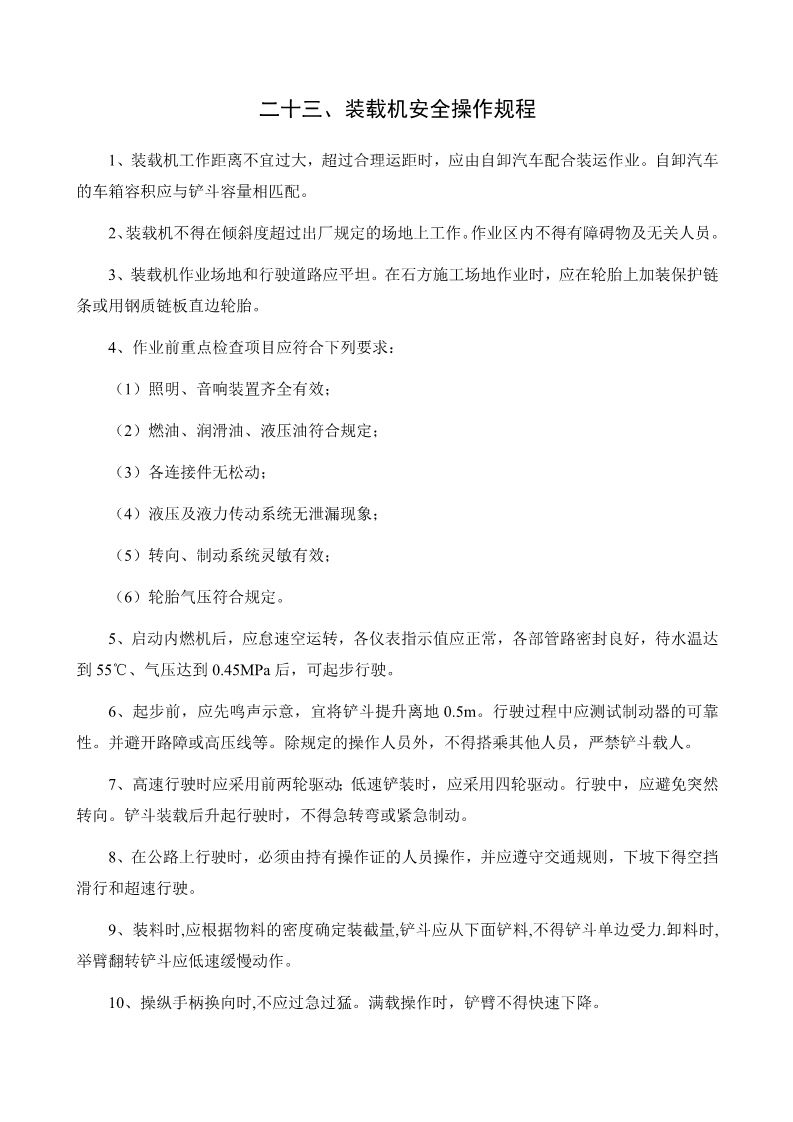
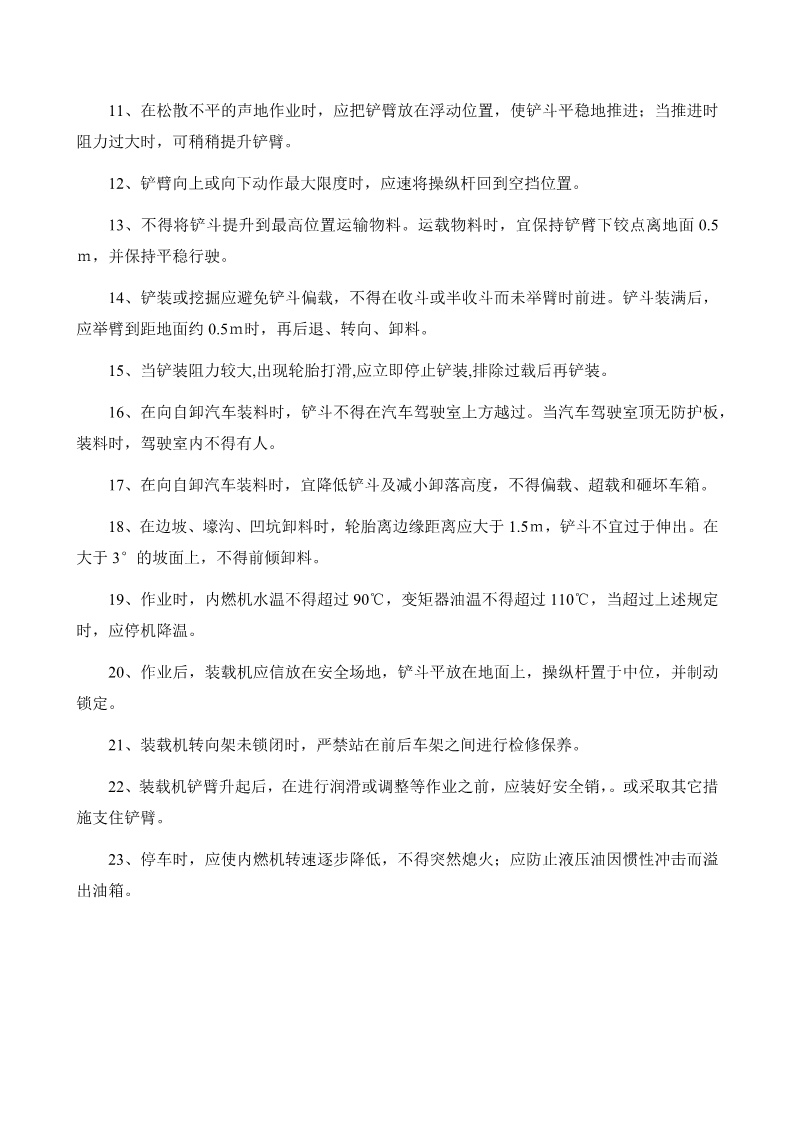
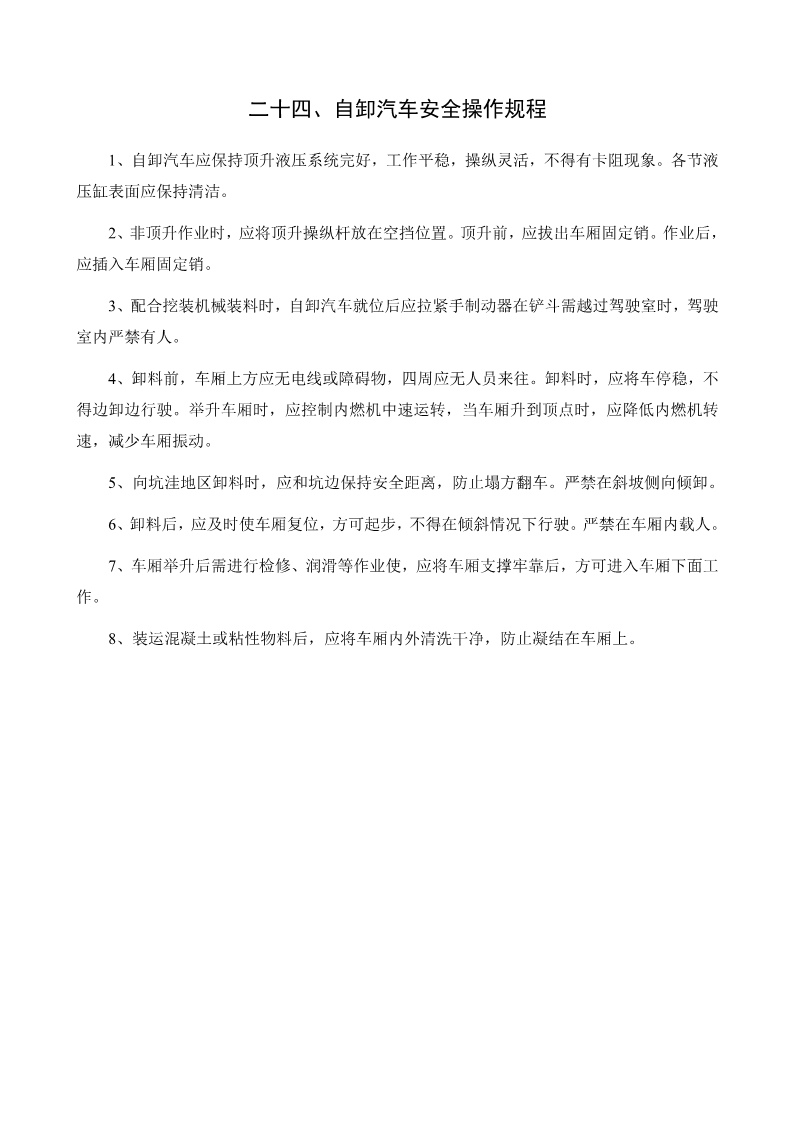
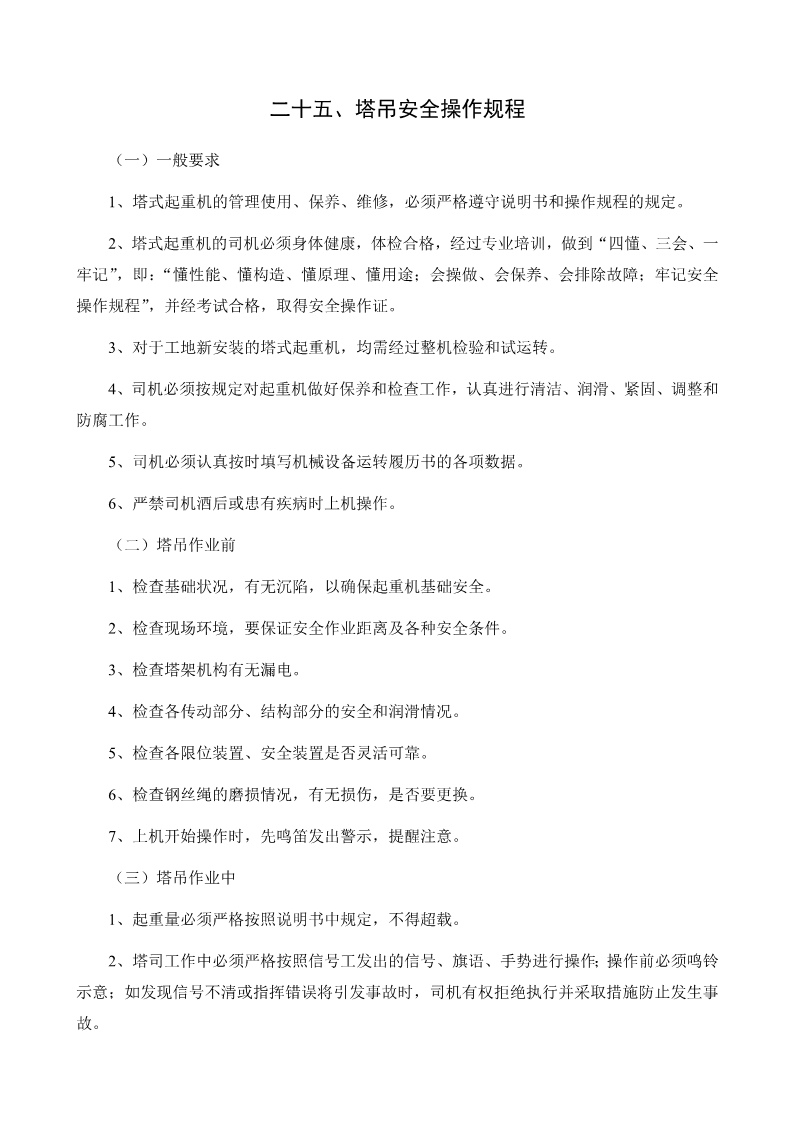
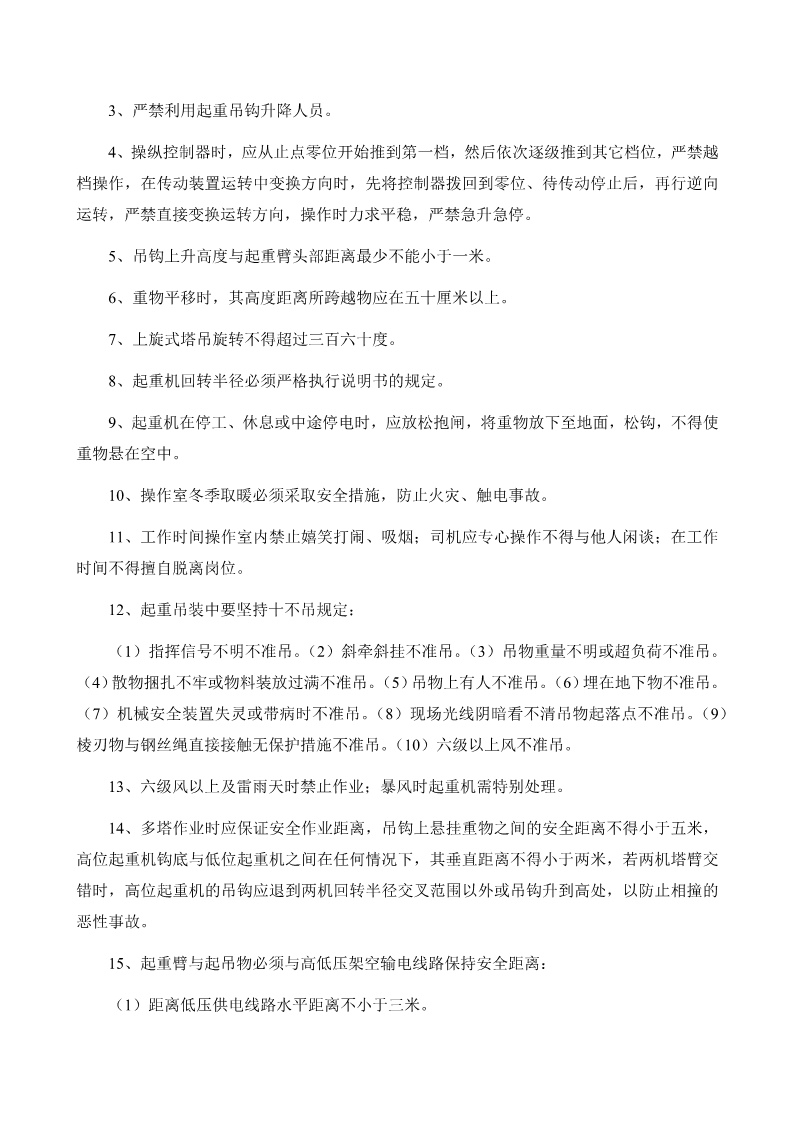
Large lifts: tower cranes, construction elevators, material lifts, loaders, dump vehicles
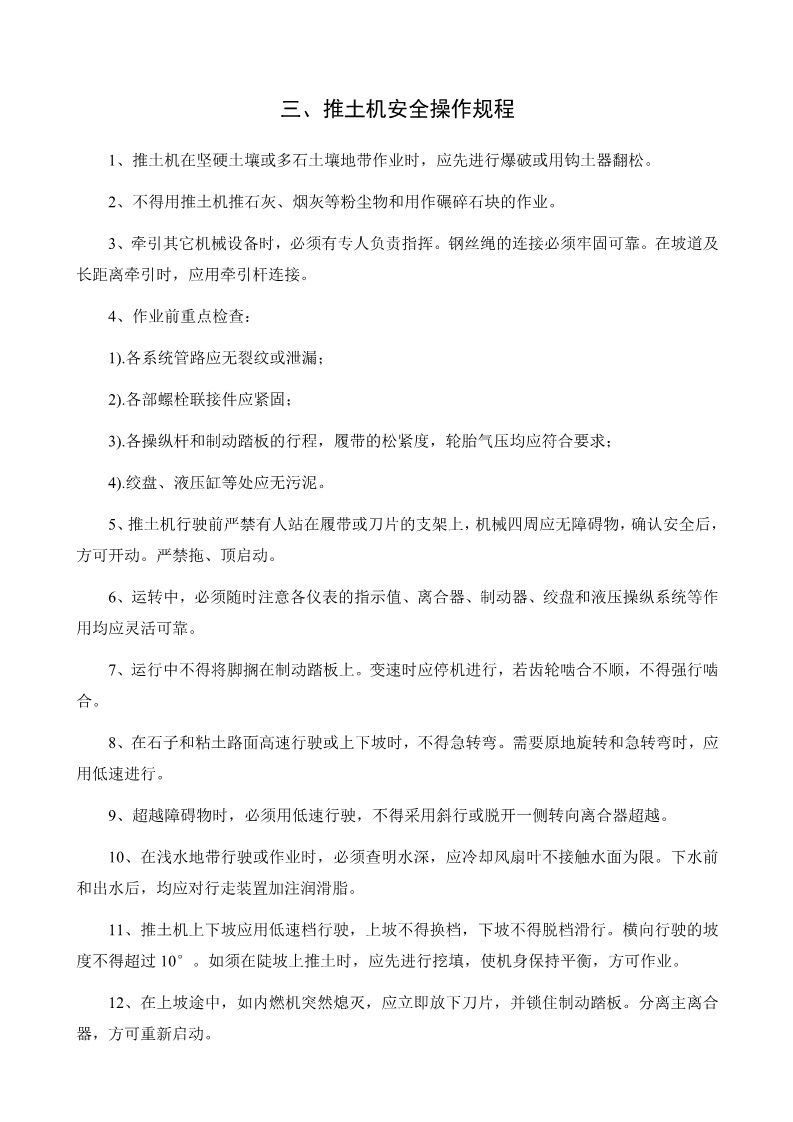
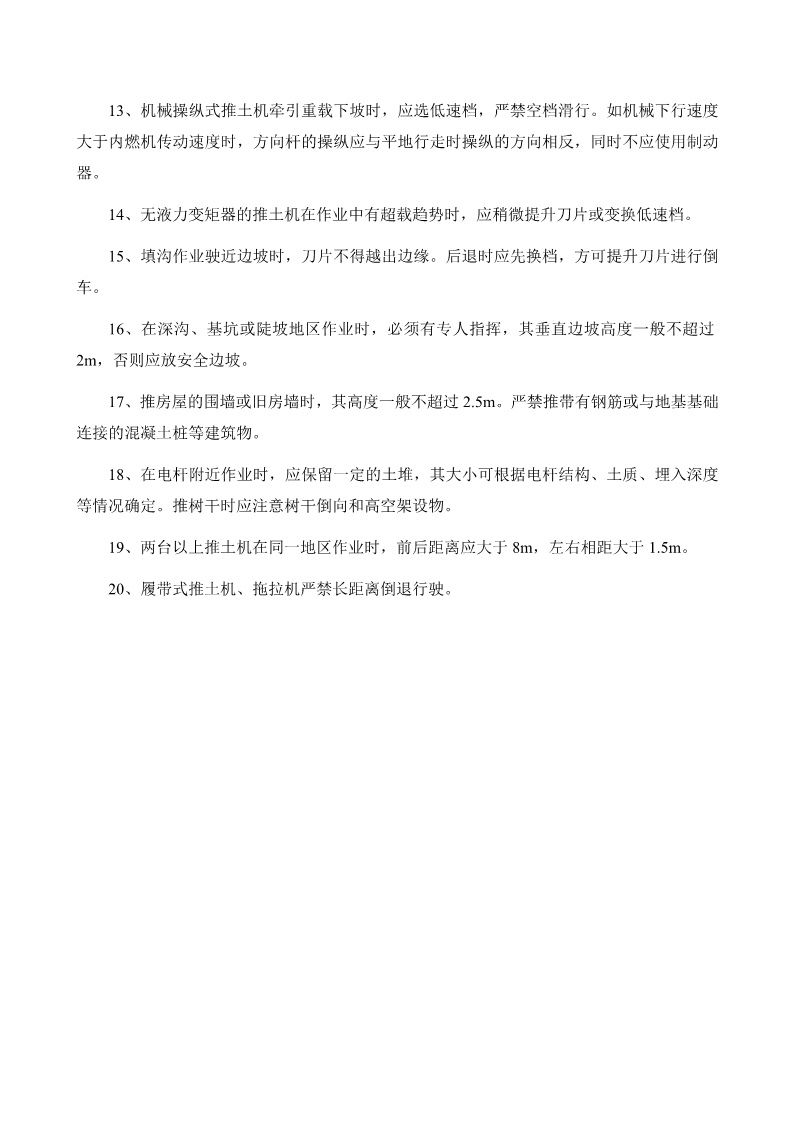
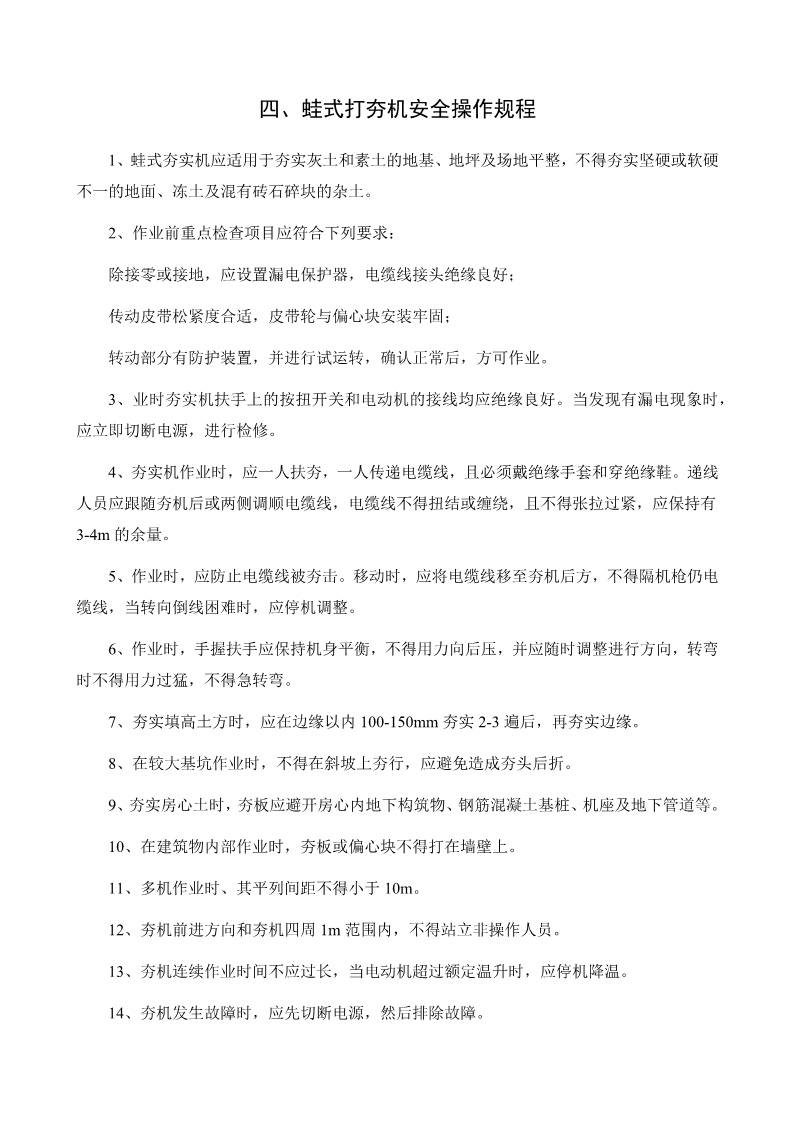
(a) the type of earthwork: excavators, bulldozers, frog-type penthousers
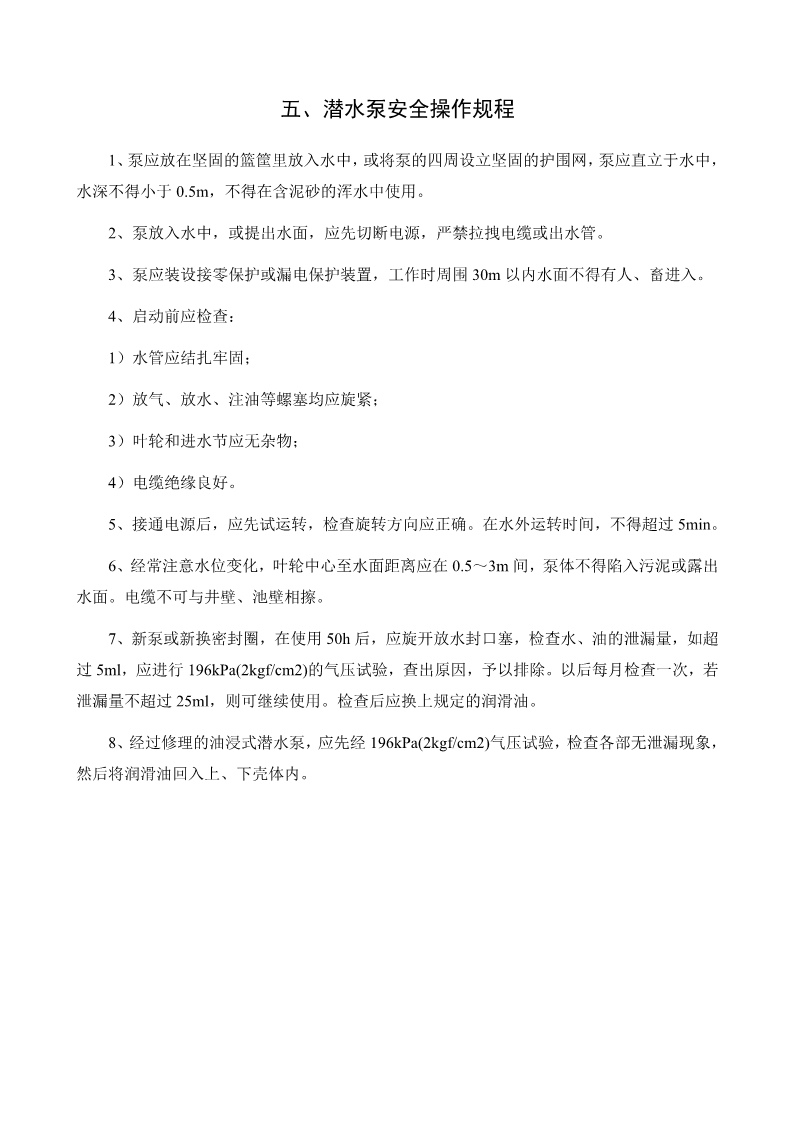
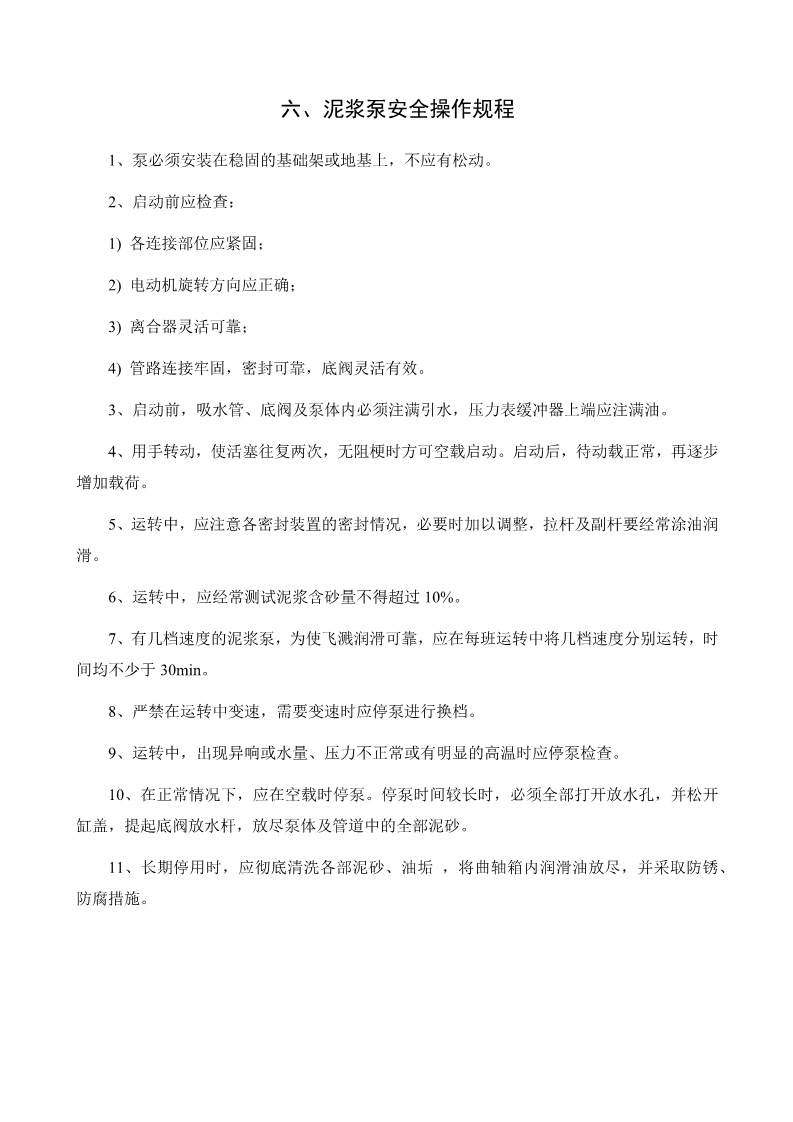
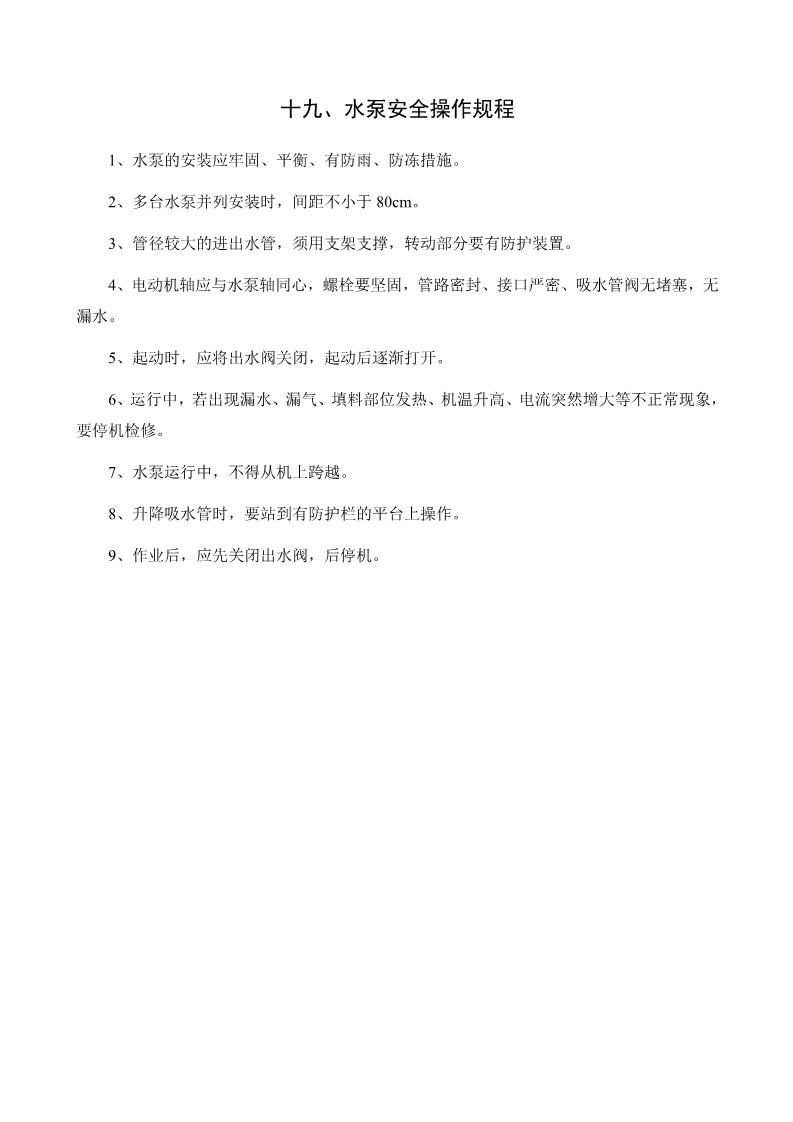
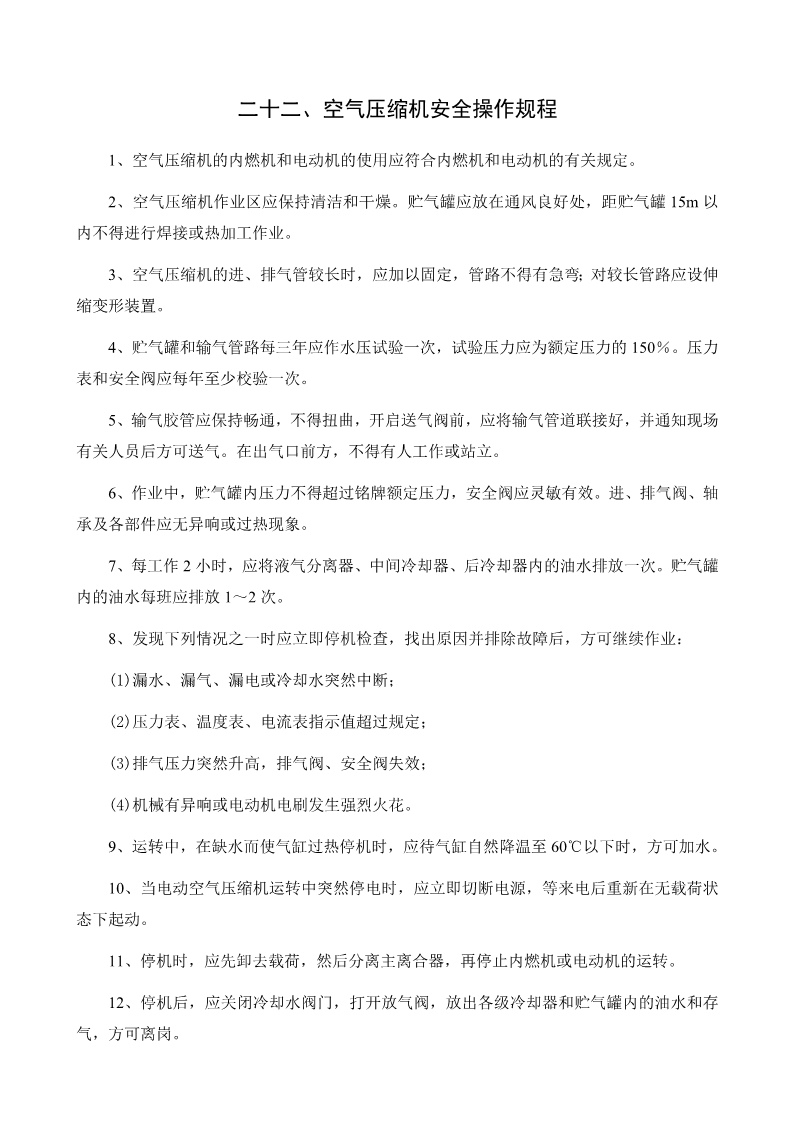
Hydropower operations: submersible pumps, mud pumps, pumps, air compressors
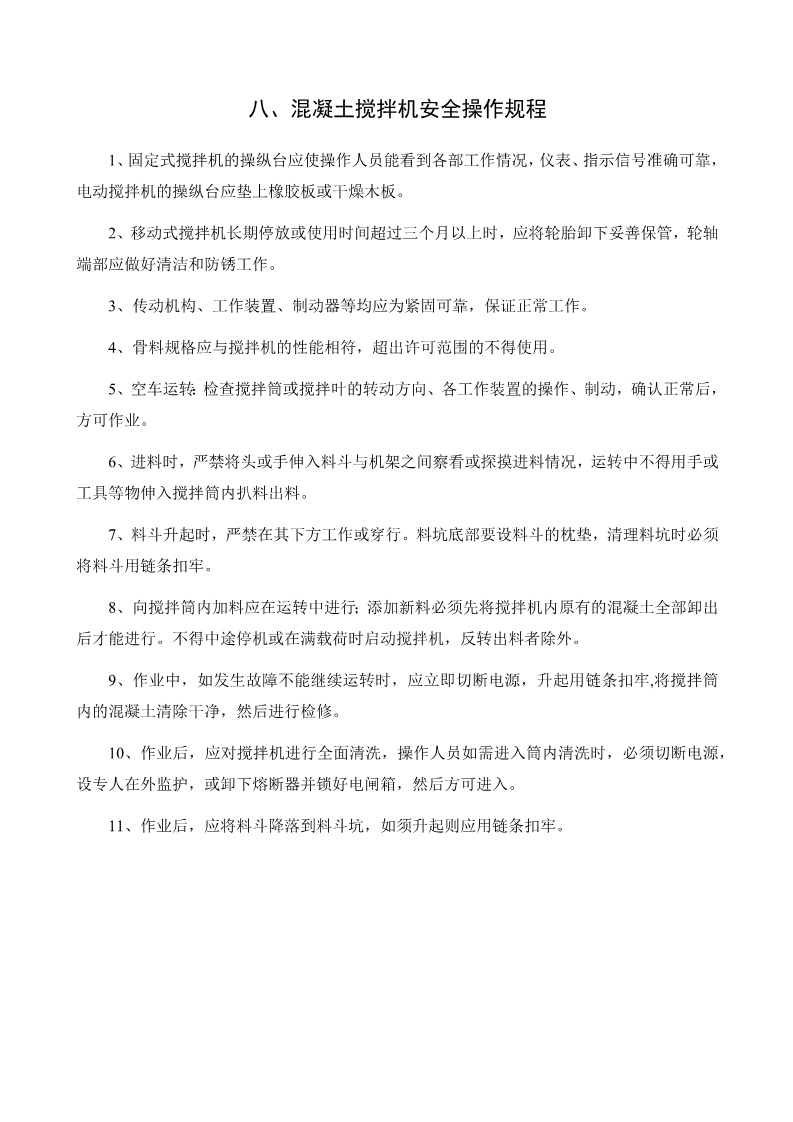
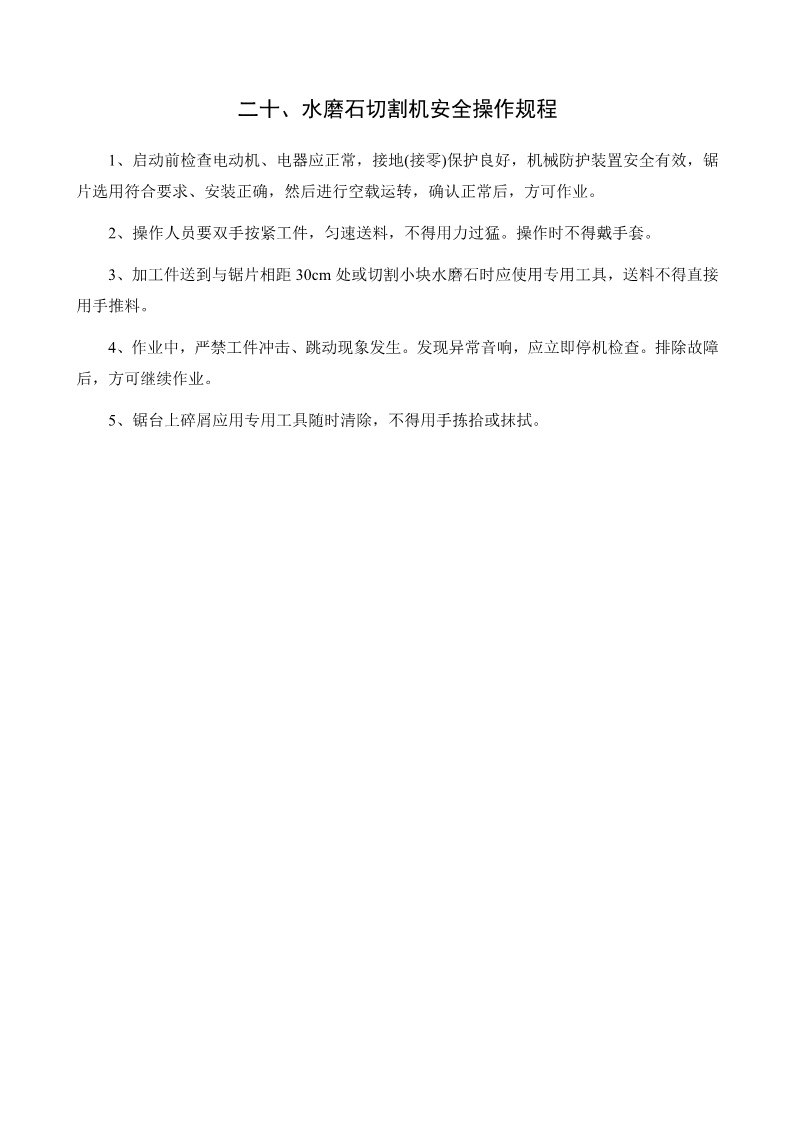
Concrete operations: concrete mixers, concrete boosters, water grinders
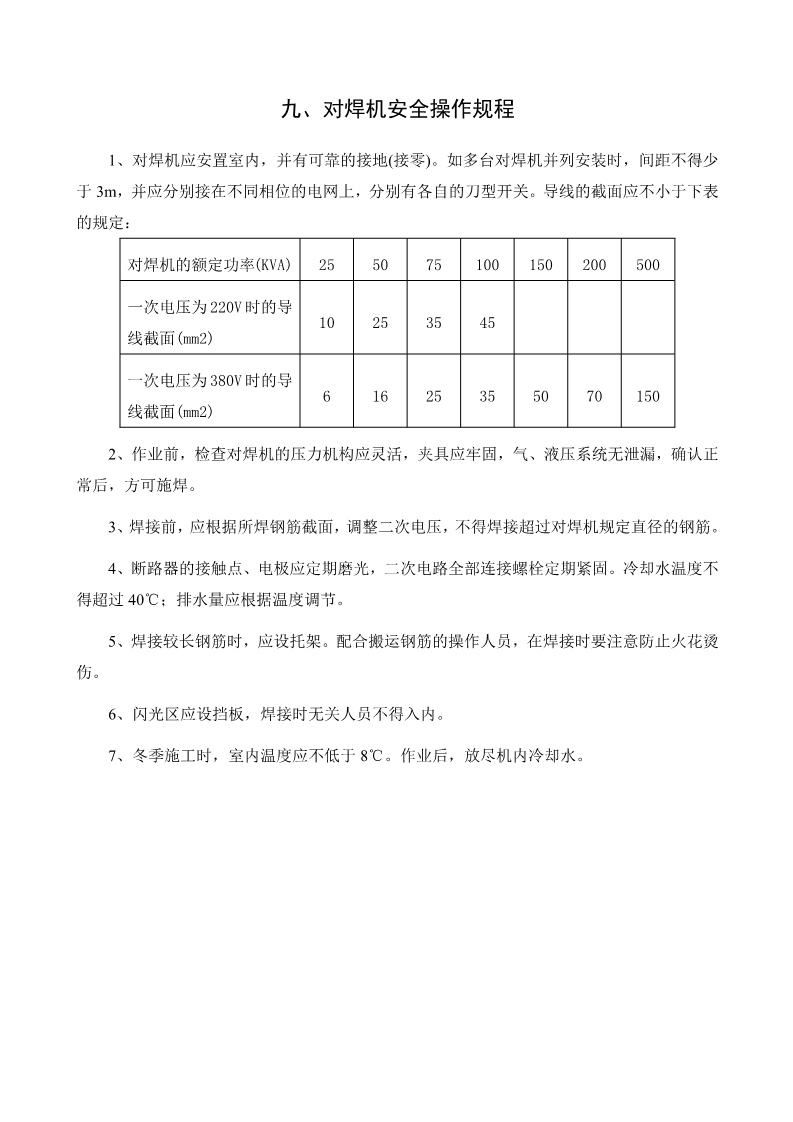
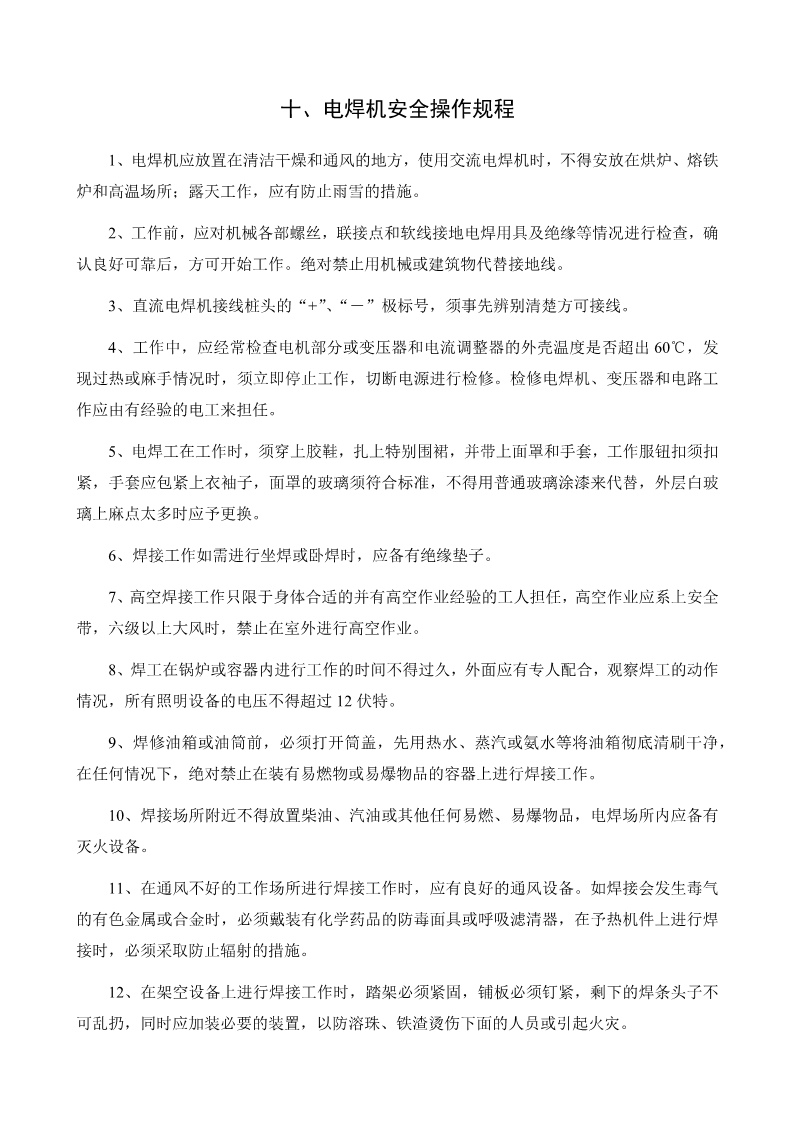
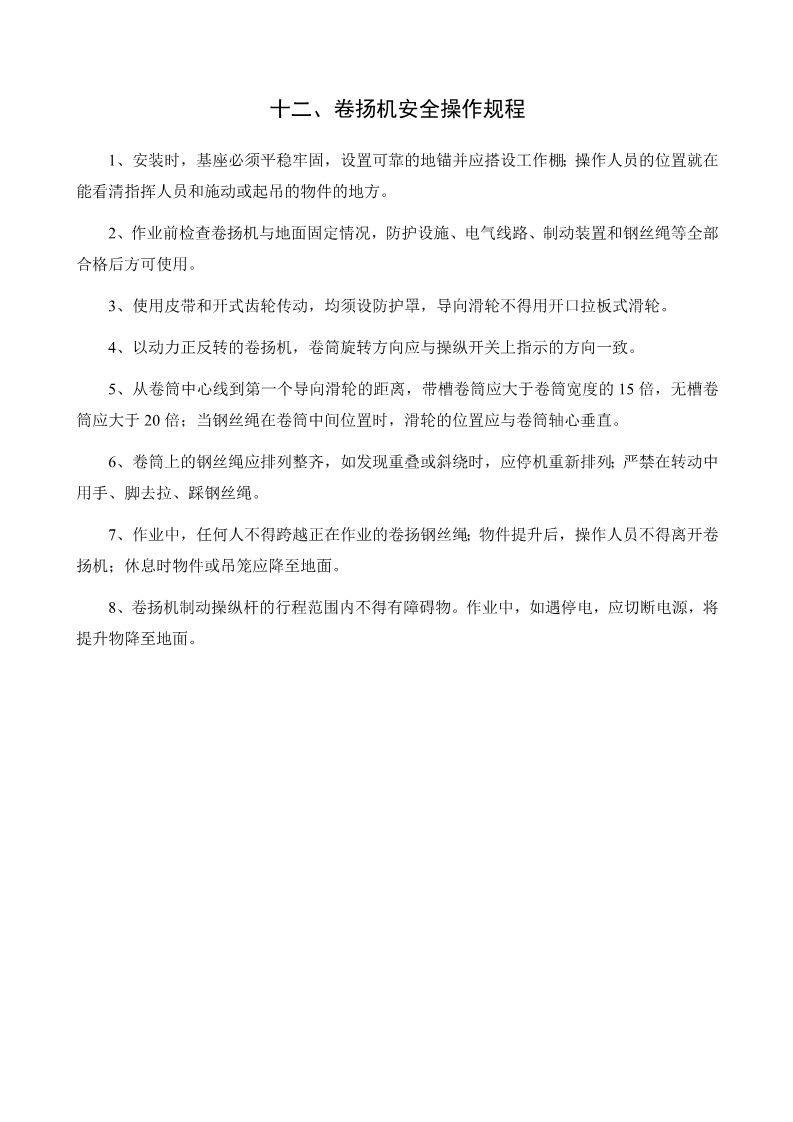
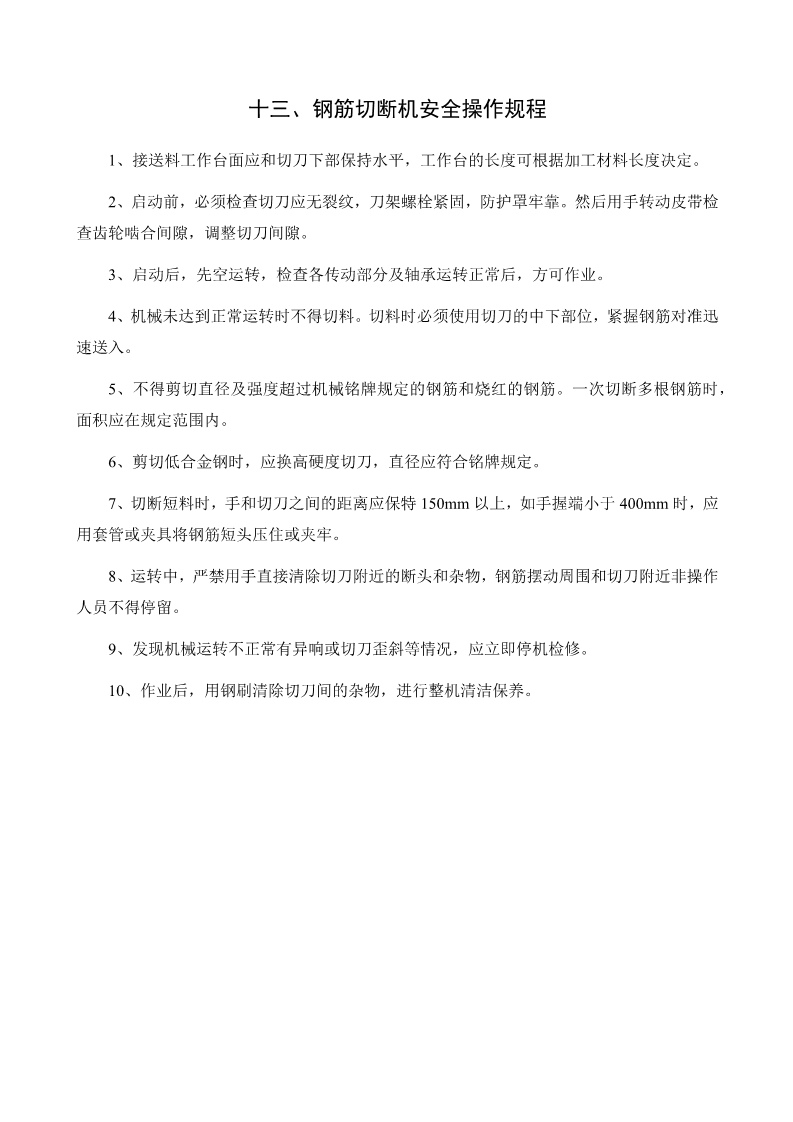
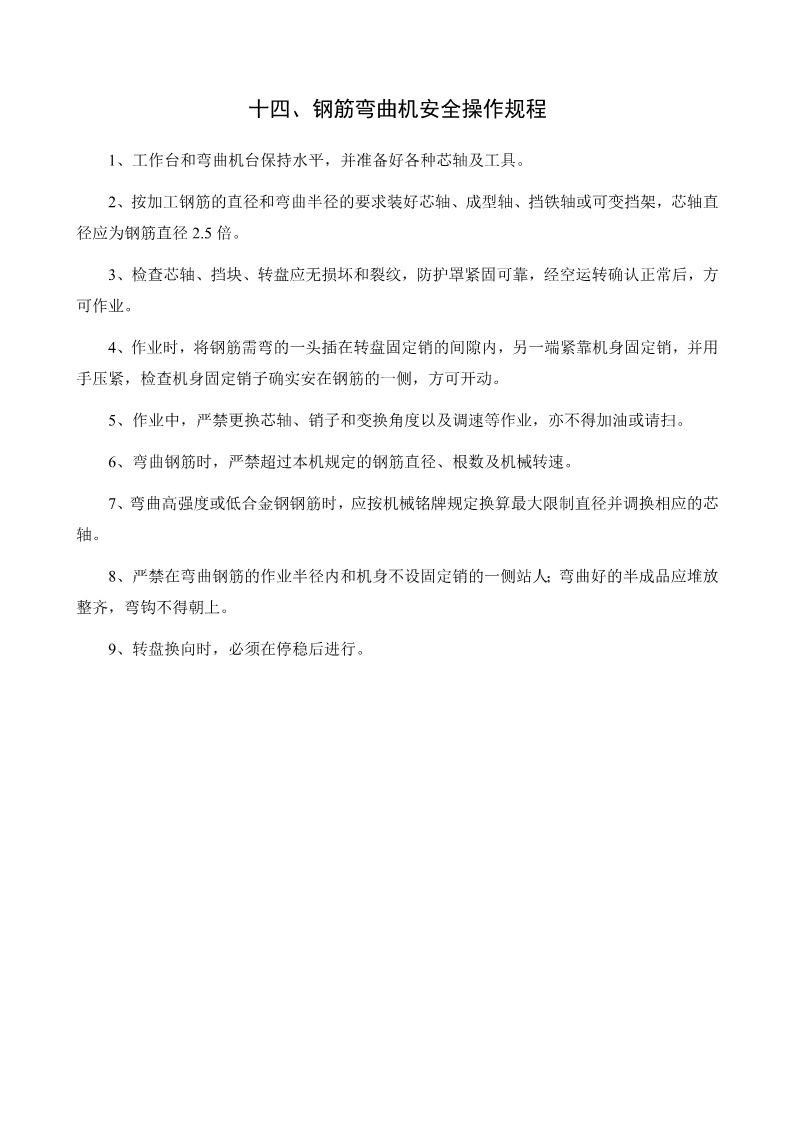
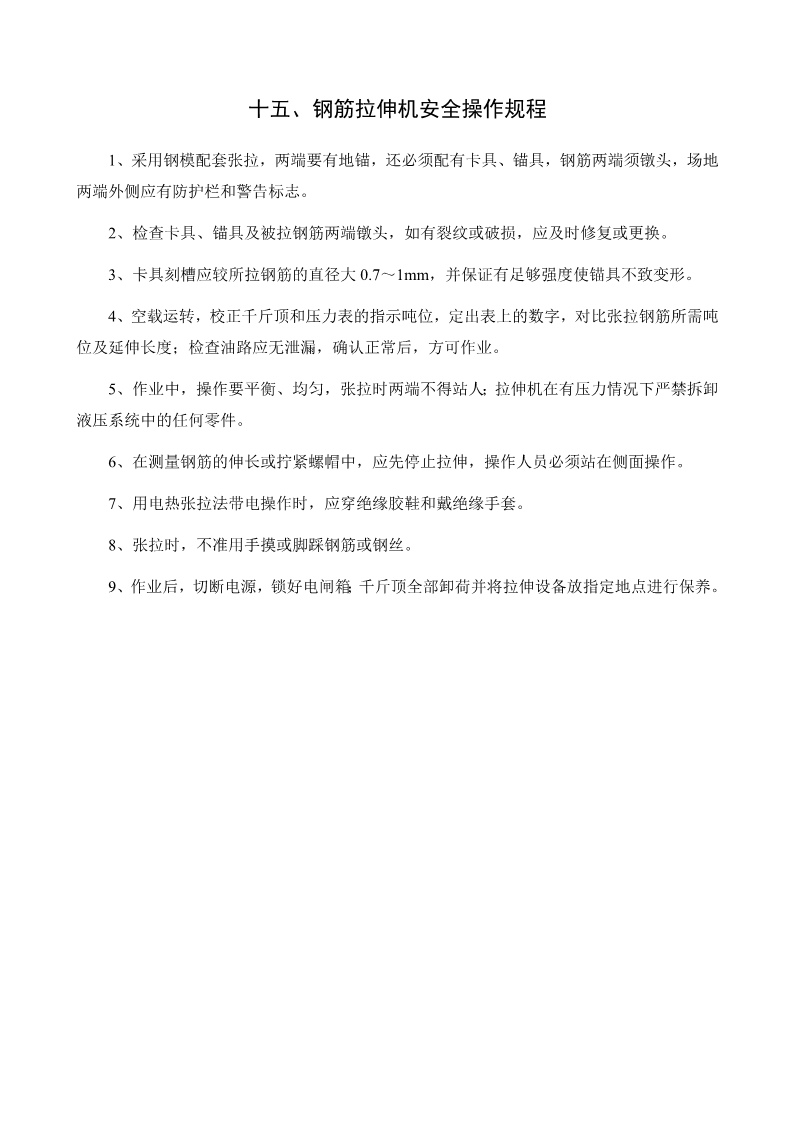
(b) steel band processors: welders, welders, steel band cutters, steel band benders, steel band stretchers
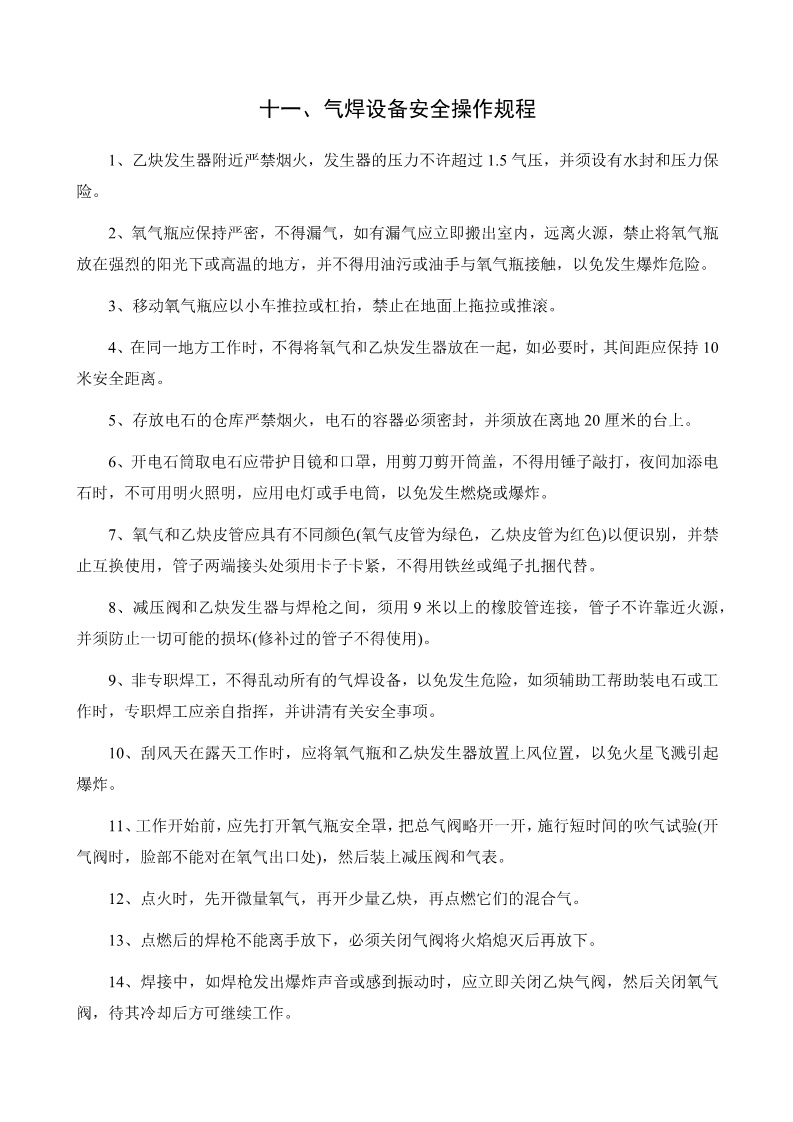
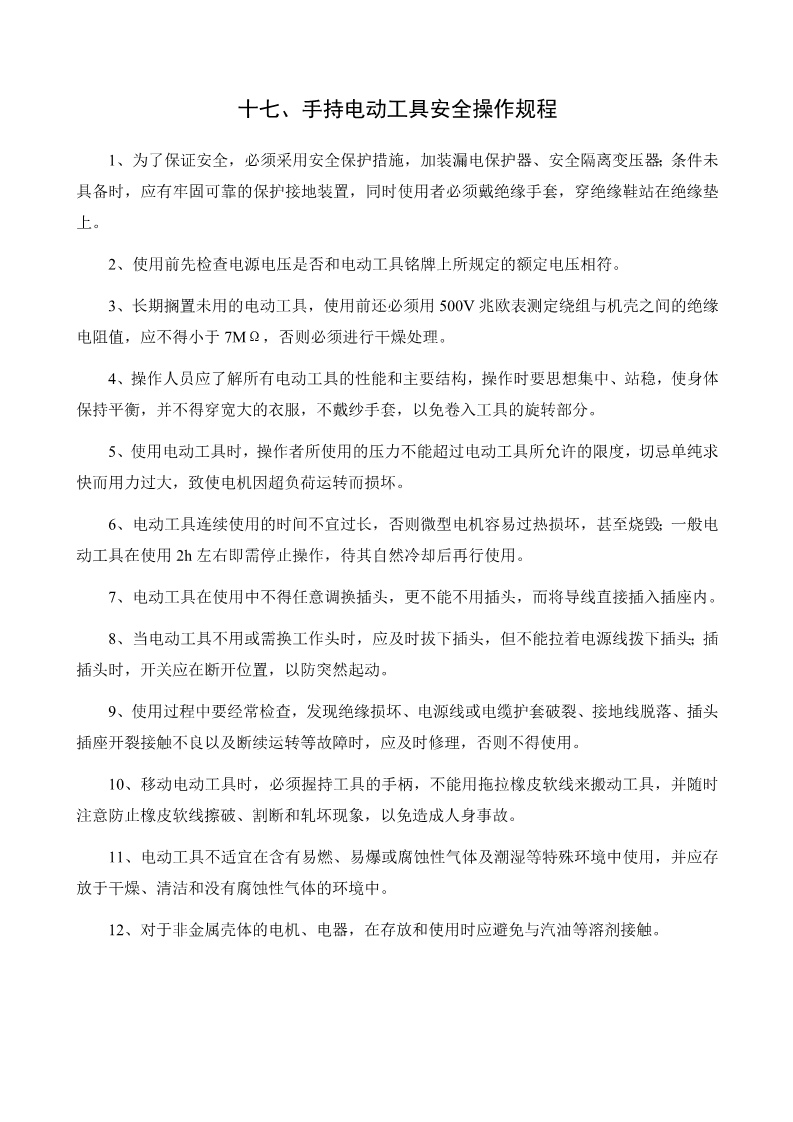
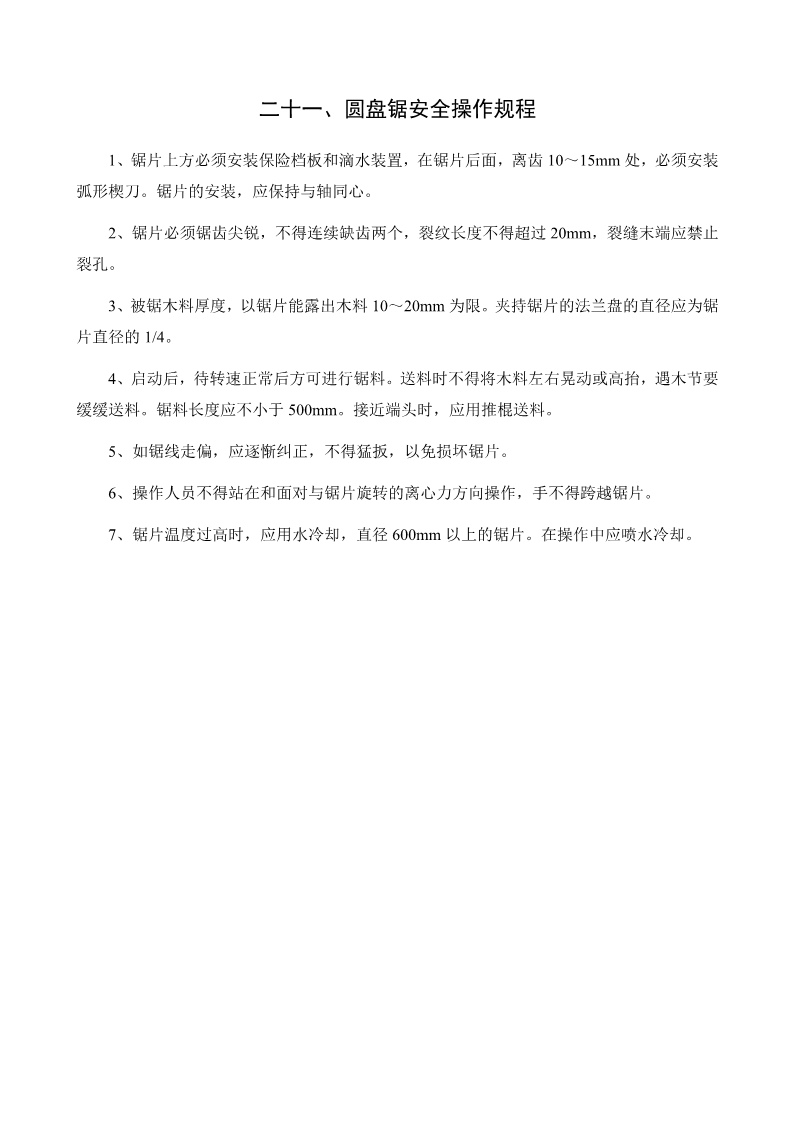
Other equipment types: welding equipment, rollers, disk saws, hand-held electric tools。
(ii) standard operating structure for each type of equipment: the operating procedures for each type of equipment follow the “process-wide security control” logic, the core elements of which include:
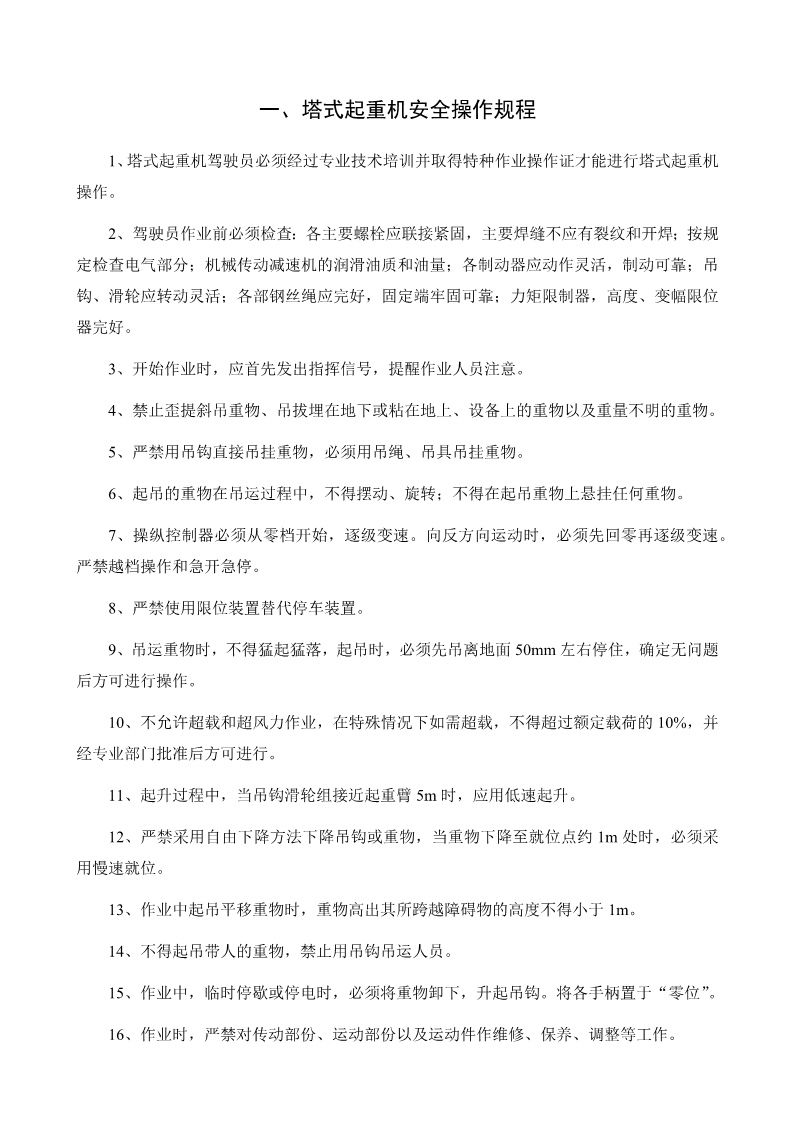
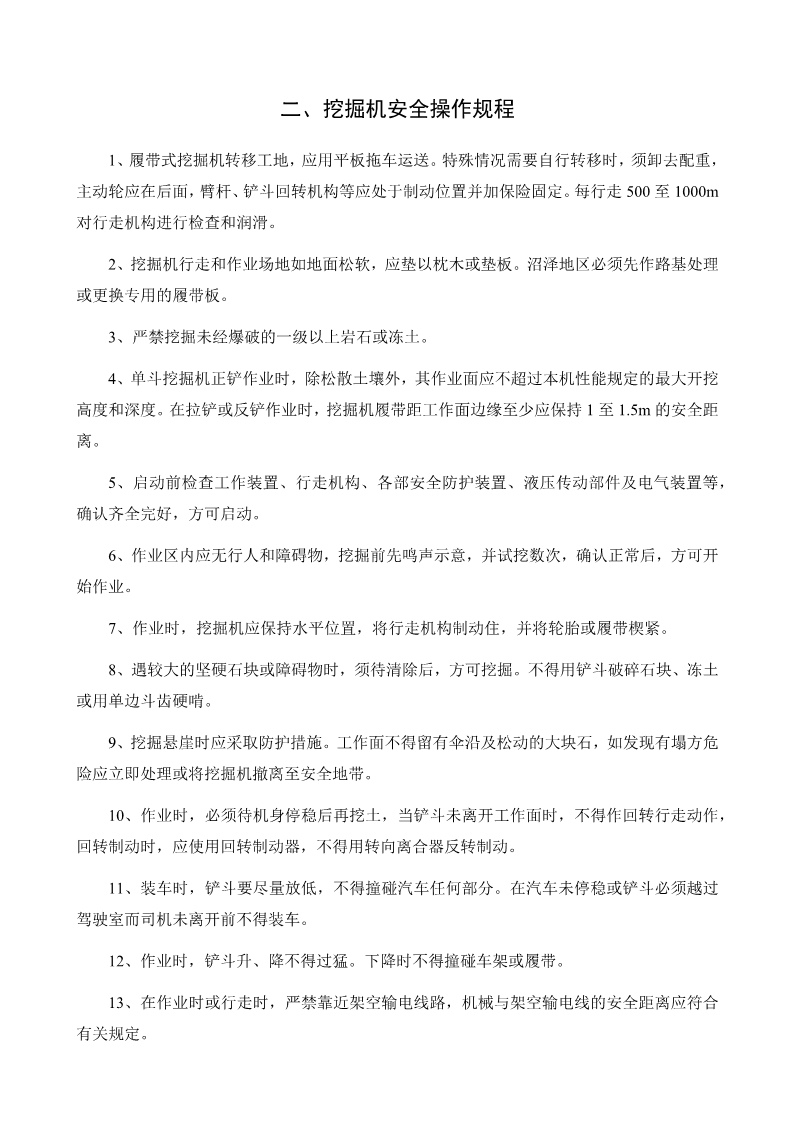
(b) pre-operational preparation: clear equipment inspection elements, such as tower cranes, need to be checked for "power rectifiers, heights and modulation limits" and excavators need to be checked for "working devices, walkers, safety protections" to ensure that the equipment is functional and safe
Operating requirements: provides for the operation of taboos and standard manoeuvres, such as “prohibiting tilt-heavy liftings” “manager controls must be “strictly prohibited overloading” from the beginning of phase zero, while specifying special scenarios such as “snow, rain, fog or more than allowed working wind” which must be stopped
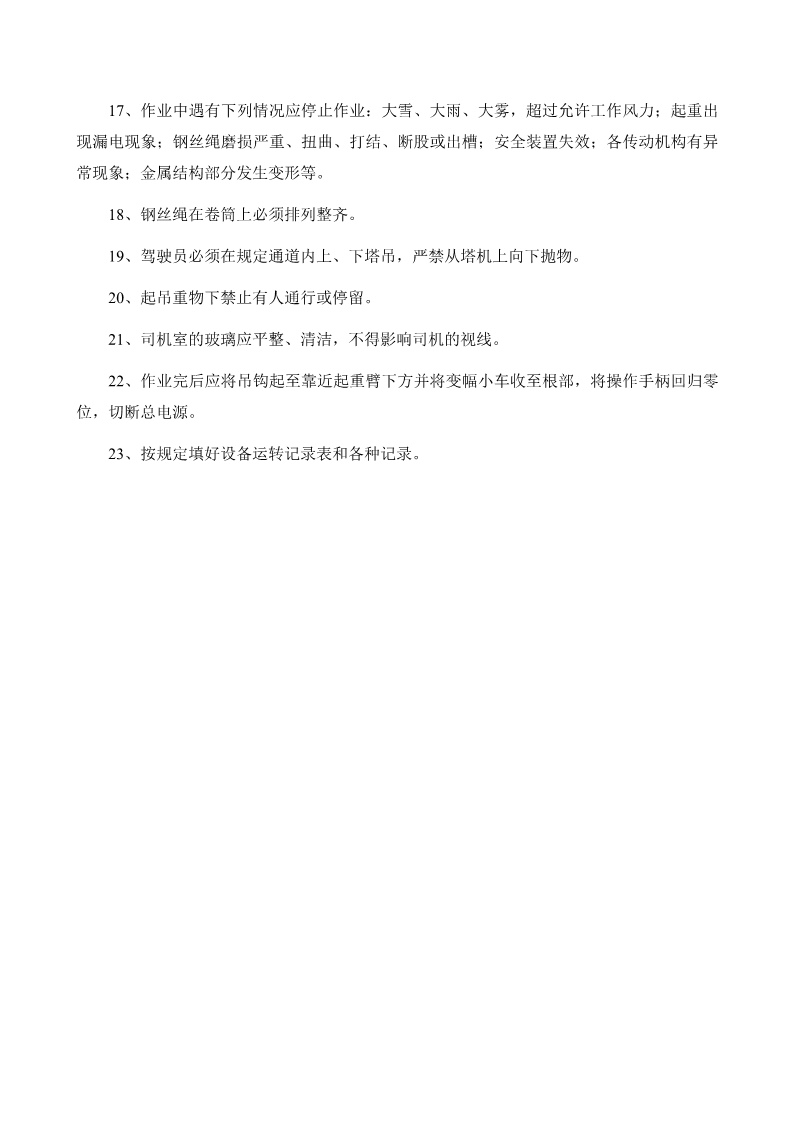
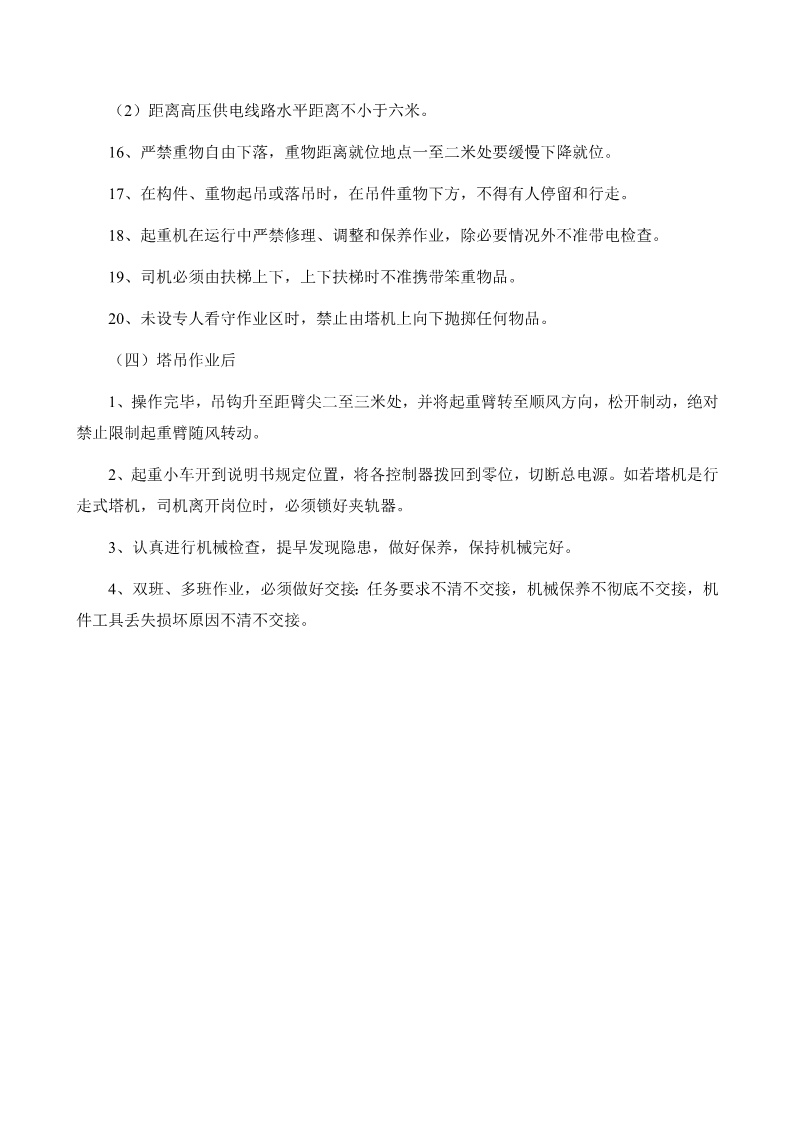
End of operation: the requirements for stationing of equipment, power cut-off, record filling, such as the need for a tower crane to “take the hook up close to the lower arm of the crane, remove the small car to the root and cut the total power source” and complete the “operation log sheet of the equipment” as required。
(iii) general safety principles emphasize the repeated reinforcement of the general safety guidelines for the operation of construction machinery in the course packages, such as:
Operators are required to hold "special operations operating certificates" and are prohibited from operating without a license
It is strictly forbidden to repair or maintain “movement, movement” parts
(b) when the equipment is operated, the presence or movement of persons is prohibited within the operational radius
In case of power outages or temporary outages, heavy material shall be unloaded to avoid suspension。
Expected learning results
(i) at the operator level:
"purpose check points, operational standard actions, operational end-of-service requirements" for operating equipment, enabling independent completion of equipment safety checks and specifications and reducing equipment malfunctions or safety incidents arising from operational errors
Explicitly “operational taboos”, such as knowledge that “the hookman” is strictly forbidden “not to cut the bars beyond the mechanical label” to create a “safest” operational consciousness and avoid irregularities。
(ii) security management level:
Security managers are able to conduct “targeted security inspections” on the basis of course packages to quickly identify irregularities in the operation of equipment, such as the focus on verifying “the validity of overloading and restricted devices” when checking tower cranes
The package could be used as a “security training package”, standardized training content, ensuring that all operators receive uniform and standardized security guidance and upgrading the overall security management of the project。
(iii) overall security aspects of the project:
(b) reduce the incidence of construction mechanical safety accidents, such as by regulating the “excavator walk and disposal of the operational site” and reducing the risk of equipment being dumped; and avoid explosive accidents by specifying “the distance between oxygen and acetylene bottles of welding equipment”
The development of a "safe locking loop for the operation of equipment" from the "pre-operation inspection - operation control - end-of-operation" complete process specifications to ensure the safe and efficient operation of construction machinery and equipment to provide secure support for the duration and quality of the project。