Answer common errors
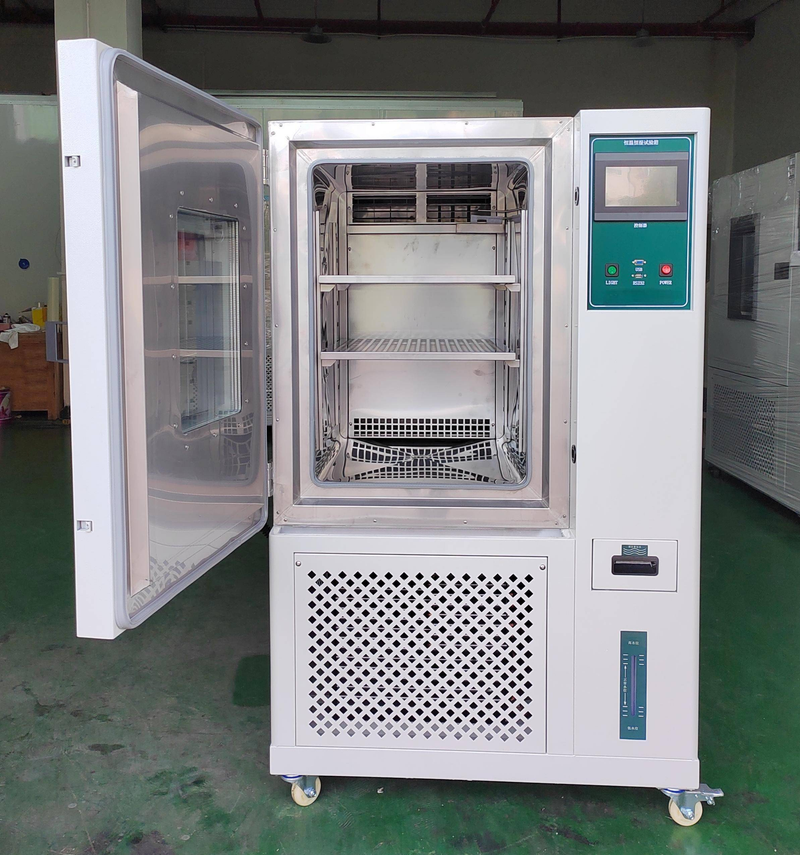
In modern manufacturing and research and development, the thermostats play a very important role. It is mainly used to simulate environmental conditions and to test the performance stability of products under different conditions of temperature humidity. Inevitably, some malfunctions or unusual performances occur during the use of the equipment, affecting the accuracy and efficiency of the tests. Many users have a certain amount of error in the maintenance of the heating and wet test box, believing that replacement of parts or contact with the manufacturer would solve all problems or that maintenance costs would be too high to be given up. In fact, knowledge of the basic structure of the equipment and the causes of common malfunctions, as well as basic knowledge of some maintenance, not only saves time and costs, but also prolongs its useful life. This paper will provide a better science-based guide to users in terms of equipment construction, common malfunctions, maintenance processes and attention, and help users to respond rationally to equipment maintenance problems。
I. Basic structure and working principles of the hot and wet test box
1. Main components
The thermostat test box consists of a number of core components, including control systems, refrigeration systems, heating systems, humidity control systems, incubators and sensors. The control system is the “central nerve” of the equipment and is responsible for monitoring the temperature parameters and regulating the operation of the equipment. Refrigeration systems are primarily used to reduce the temperature inside the box and are usually made up of compressors, condensers, evapotors and voltagers. The heating system is used to increase the temperature inside the box, which is commonly wired or heated. The humidity adjustment system, on the other hand, achieves changes in humidity by either the humidifier or the dehumidifier to ensure that the test environment meets the requirements. Boxes use high-efficiency thermostatic materials to reduce energy losses and ensure the stability of temperature and humidity. The sensor detects temperature in the box in real time and provides data support for the control system。
2. Rationale
Warm and wet test box maintenance
Through the control system, the test tank regulates the working state of the heating and cooling units in accordance with the established temperature and humidity parameters, so that the conditions in the box are met. When temperature or humidity deviates from the given values, the sensor detects anomalies, the control system activates or stops the equipment and adjusts the environment in the box in real time. The whole process is a closed loop control to ensure the stability of the test environment. Through sound program settings, users can simulate different environmental conditions and perform product performance tests。
Ii. Analysis of common malfunctions and causes in the temperature and humidity test tanks
1. Temperature or humidity is not available value
This is common when sensors fail or calibration is inaccurate. If the sensor fails, the control system will be unable to accurately capture the environmental parameters, leading to a temperature deviation. In addition, the temperature control effects can be affected by congestion of pipes and compressor failure in refrigeration or heating systems。
2. Unusual or frequent shutdown of equipment
It may be due to short circuits or poor exposure to electrical circuits, or it may be due to a failure of control system software. In some cases, the overloading protection was wrongly moved, resulting in the equipment being stopped. The inspection of displays on power lines and control panels helps to determine the cause of failure。
3. Abnormal noise or vibration
Mechanical components such as compressors, fans or transmission devices are damaged or loose, causing abnormal sound or vibration and affecting the proper functioning of the equipment. Timely repair or replacement of damaged components is required。
4. Insensitive or out-of-control wetness adjustments
The failure of the wetteners or dehumidifiers in the wettening system, or the drift of the sensors, leads to an inaccurate control of the humidity. Water sources or drainage systems in the wetting system may also be blocked。
Iii. Basic process for the maintenance of the thermostat test box
1. Disorder diagnosis
Prior to the commencement of maintenance, a preliminary determination is made by observing the unusual performance of the equipment. For example, failure to increase temperature may be a heater failure and failure to reduce may be a refrigeration problem. Combining operational logs and alarm messages of equipment helps to reduce the failure range。
2. Check the hardware state
Gradual inspection of key components, including sensors, circuit connections, chiller compressors, heaters and wetting control equipment. The electrical connection is tested on a one-size-fits-all scale, confirming that there is no break or short circuit。
3. Replacement of damaged components
Upon identification of faulty components, the damaged parts are replaced in a timely manner in accordance with the maintenance manual or the original plant guidelines. During the replacement process, it is necessary to ensure that the type and specifications of the spare parts meet the equipment requirements and avoid introducing new malfunctions。
Debugging and testing
Warm and wet test box maintenance
Upon completion of maintenance, debugging, setting appropriate parameters, opening the equipment and observing its operational state. Ensure that temperature and humidity stabilize to the expected level and that the equipment operates smoothly and without abnormal sound or vibration。
5. Records and summaries
Upon completion of maintenance, details of cause of failure, maintenance measures and replacement of components should be recorded to inform subsequent maintenance. At the same time, regular inspections and maintenance are recommended to prevent the recurrence of similar failures。
Care in maintenance
1. Safe quality
During maintenance, the power supply must be disconnected to avoid electrical contact or damage to equipment. When operating the high pressure segment, the necessary security measures are required。
2. Use of appropriate tools and parts
Disassembly using specialized tools to ensure that spare parts are matched and installed. The use of spare parts for non-original plants may affect the performance of the equipment and even cause secondary malfunctions。
Detailed recording of maintenance processes
Each maintenance should record details, including failure performance, detection results, replacement parts and commissioning, to facilitate follow-up and analysis。
Warm and wet test box maintenance
Avoid blind maintenance
In case of a complex or unexplained failure, specialized technical support or contact the equipment supplier should be sought to avoid further damage from unauthorized dismantling。
5. Regular maintenance
In addition to emergency maintenance, regular cleaning, lubrication and calibration of equipment has helped to extend the useful life and reduce malfunctions。
Summary
While the maintenance of the hot and wet test boxes involves a wide range of knowledge and skills, basic diagnostic thinking and maintenance methods can effectively improve the stability and useful life of the equipment. An understanding of the structure and working principles of the equipment will facilitate the rapid identification of the cause of the failure and the rationalization of maintenance steps. Maintaining the equipment in good condition not only ensures the accuracy of the tests but also saves maintenance costs. In practice, security protocols should be strictly followed, tools and spare parts should be used rationally and, together with professional advice, should be gradually cleared and resolved to ensure that equipment remains in good working condition。
(includes ai intelligence generation)