How can welders be addressed when they are used, because of, among other reasons, ageing, welding opportunities, and so on? The maintenance is preceded by a more detailed understanding of the internal structure of the welder, followed by a breakdown of the failure, which is followed by a breakdown of the cause of the failure. Remember to be safe while repairing the welders and to turn off the power before dismantling them in order to avoid accidents。
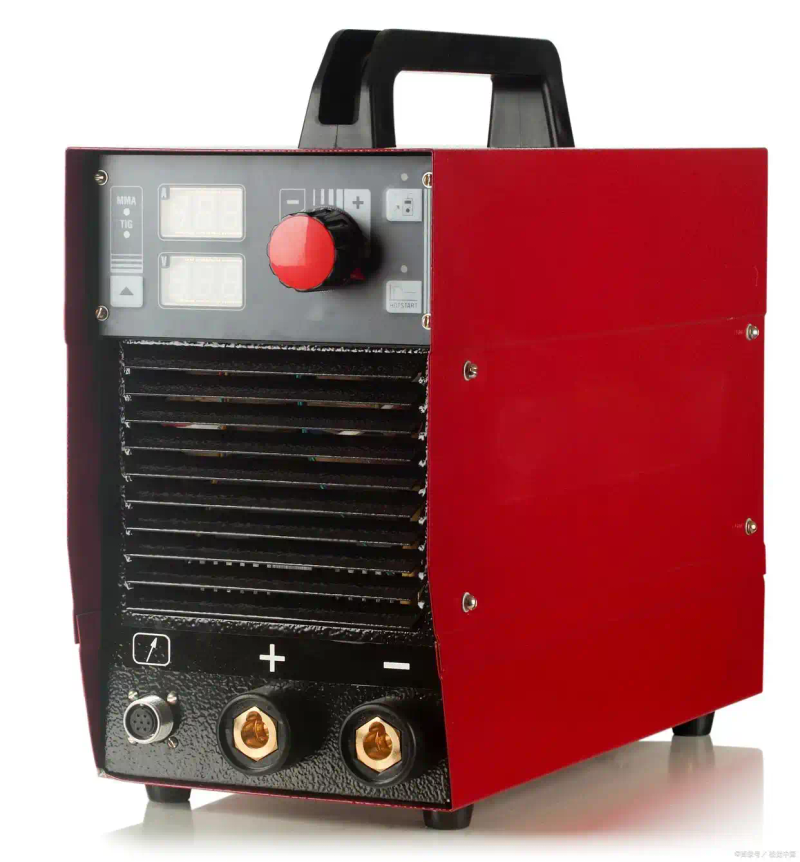
Welder maintenance course
I. Common malfunctions of communication welders and their removal methods
Fault 1: welding current size
Reasons for failure: welding cables are too long; welding cables are convoluted into discs to form excessive electrons and welding cables are in poor contact with the wires。
Method of exclusion: reduce cable length or increase the area covered by cable cores; pull cable to the bottom so that it does not bend; and make the electrical line in good contact with the wiring column。
Fragmentation 2: welding machine shell with electricity
Reasons for failure: one or two-wire interpretation of the impact shell; power-line impact shell; welding cable lighting; poor or unlocated shell。
Method of exclusion: elimination of shell bumps, completion of the surface line and good landing of the shell。
Fault 3: during welding, there's a strong vibration in the core
Causes of failure: brake screws or springs that can move the steel core loose; mobile apparatus damage to the steel core。
Method of exclusion: tightening the brake screw or adjusting the pull of the bullet; repairing iron: mobile apparatus。
Fragmentation 4: during welding, the electricity flow is small
Causes of malfunction: poor exposure to welding cables and wiring columns; kinetic iron; moving with welder vibrations。
Method of exclusion: cables are in good contact with the wiring column; iron cores are secured to eliminate iron core movement。
Fault 5: welder overheat
Reason for failure: welder overload; transform iif}circle short circuit; insulation damage of the steel core screw。
Method of exclusion: reduction of use of electricity; elimination of short circuits and re-rounding; restoration of insulation。
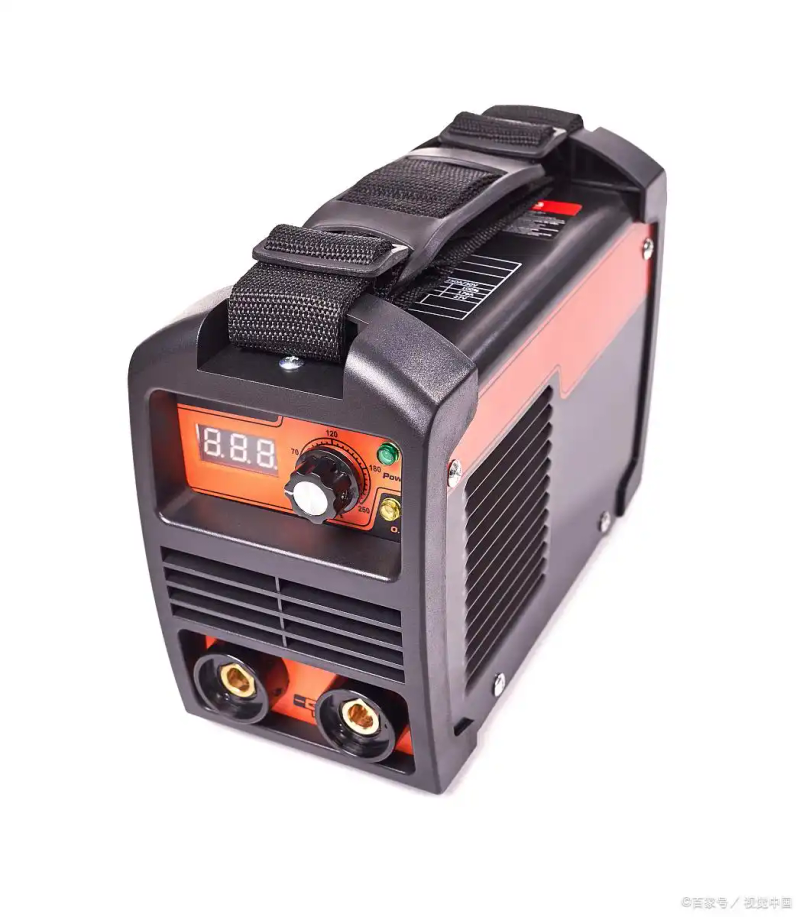
Ii. Common malfunctions in the rotary direct-flow welders and their removal methods
Fault 1: welder overheat。
Causes of failure: welder overloading; short circuits for fixed or rotor wires of generators or whole-stream short circuits; uncleaning of whole-stream surfaces。
Method of exclusion: reduce the use of currents; eliminate short-circuit phenomena, including rewiring; clean up the whole fluid surface。
Fault 2: unstable electricity during welding
Reason for failure: welding cables and wires are poorly connected; the moving part of the current regulator moves with the vibration of the welder。
Method of exclusion: fixed cables and wiring columns to make good contact and eliminate movement。
Fault 3: fire in the electric brush after startup
Reasons for failure: electric brushes and fluids are inverted or electric brushes are jammed or loosed; cloud mammoths emerge from the whole stream。
Method of exclusion: cleaning the surface of exposure or adjusting the brush pressure to normal; removing the bumped cloud max to below 1 mm of the whole stream。
Fault 4: low turn and buzz after startup sound
Causes of failure: three-phase wires have a broken circuit or an electric motor fixed line break。
Method of exclusion: repair: phase wires; welding or rewinding。
Fault 5: electrical motion reverse
Reason for failure: emp wiring error。
Discretion method: the three power lines will be turned off。
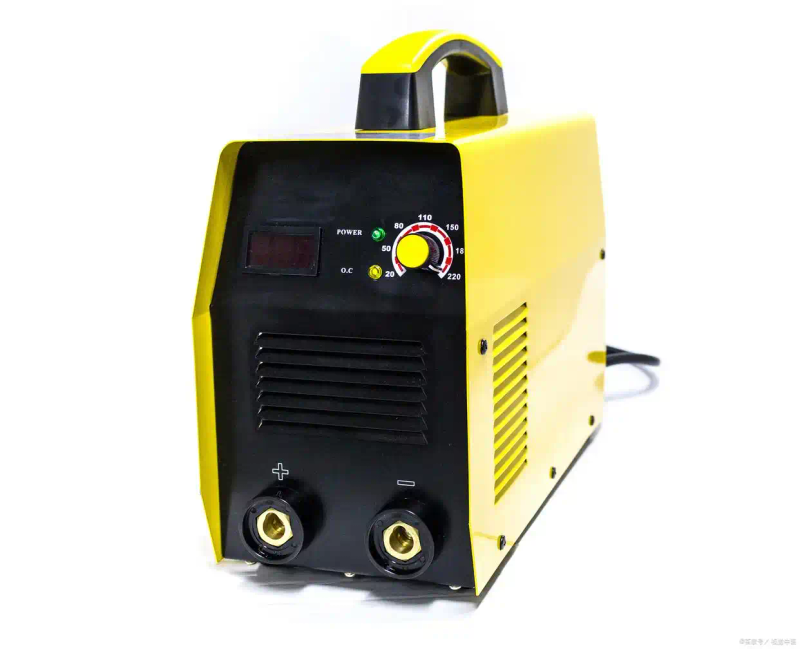
Iii. Common malfunctions in current straight current welders and their removal methods
Fragmentation 1: welder shell charged
Reasons for failure: power-wire bumps; transformers, electrical resisters, control lines, etc.; ill or unlocated。
Method of exclusion: elimination of shell bumps; completion of the surface。
Fault 2: when welded, the voltage dropped suddenly
Reason for failure: main circuit or contour component penetration; control of circuit break。
Method of exclusion: replacement of elements to repair the circuit and inspection of the protection circuit; overhaul of control circuits and repair of the circuit。
Fragmentation 3: fan motors do not change
Causes of failure: battery of fuses; poor exposure to power-driven circuit lines or button switches。
Method of exclusion: replacement of fuses; welding or rewinding groups; repair or replacement of button switches。
Fault 4: welding current unstable
Causes of malfunction: short circuits for main circuit communication contacts or wind-pressure switches; poor perimeter control。
Method of exclusion: elimination of short circuits; good exposure to control bypass groups。