Northwest corner gansu, china
At the beginning of the new year, 2026, the “rangzhou lily research centre of the institute of vegetable flowers of the chinese academy of agricultural sciences”, located in the seven rivers area of lanzhou city, was officially inaugurated. This “national team” research centre, which holds the dream of upgrading the lilies in lanzhou, has taken root and injected a strong scientific and dynamic energy into the agricultural development of this “bah of china” character. On 7 january, journalists at the grass-roots level walked into china's gansu network to feel the living pulse of the revitalization of the village。
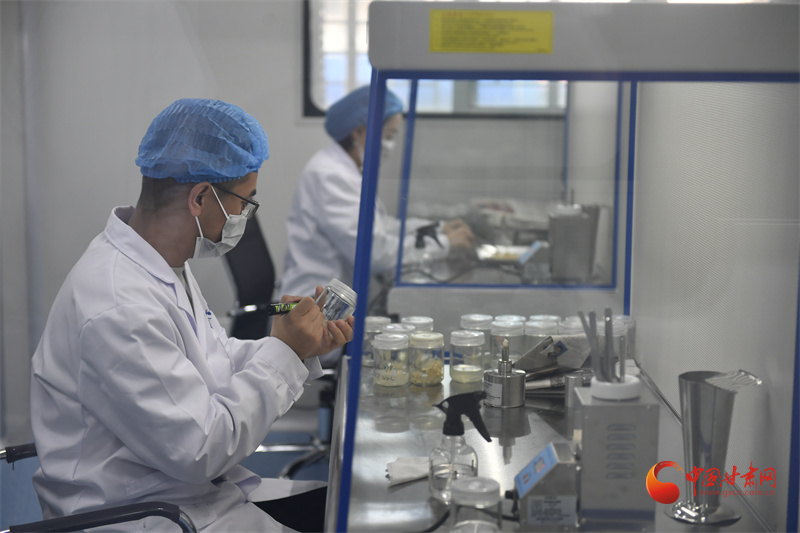
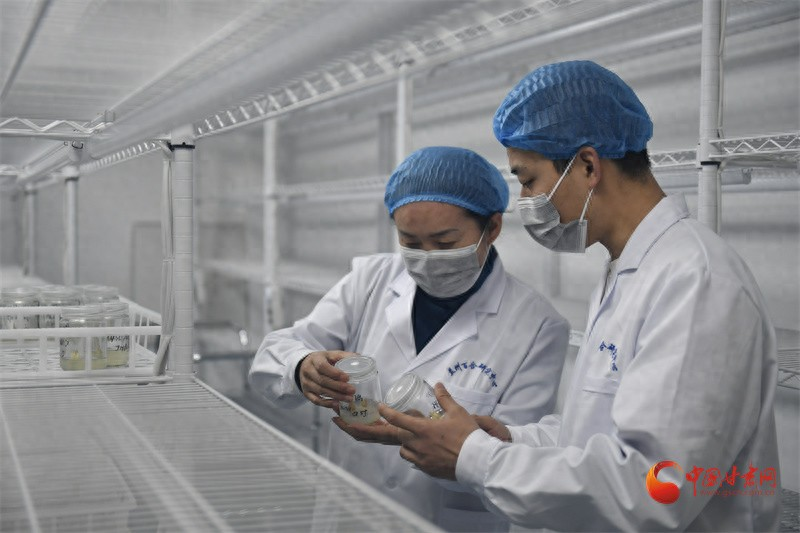
Access to the experimental areas of the research centre, which are organized in such functional areas as ultra-purification rooms, pre-elimination rooms, light culture rooms and culture darkrooms, has been completed with six brand-new ultra-prevalence tables, with operators wearing non-bacterium-free clothes, and is focusing on the development of lily group seeding experiments. The technical director of the centre, ms. Kolipin, holds the incubator and shows journalists the lilies of the culture. She described the precision of the lily seedlings that could be cultivated in the future, and the capacity of the centres to form up to 1 million units in the years ahead, with the seeds of hope of improved varieties and of breaking down the challenges of the industry, which could be gradually extended to the fields over time。
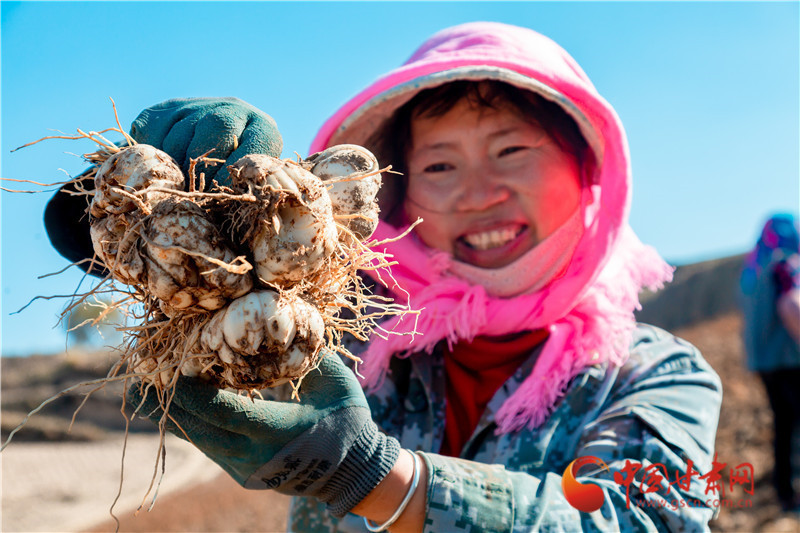
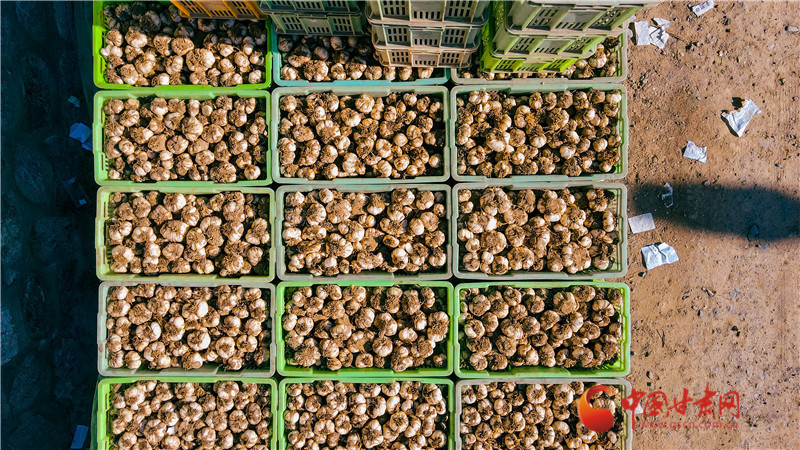
As the country's only diet, the lanzhou lily has grown for more than 400 years, and the seven mile river region has become the core production area with its uniquely high altitude, high temperatures and fertile soil. However, with years of continuous cultivation, the degradation of the balls, the multiplicity of varieties and the shortage of good seeds have come to the fore, becoming a “crawling” challenge that constrains the quality development of the industry. Under the traditional cultivation model, the nine-year growth cycle of the lily “three years old, three years old and three years old” and dependence on natural seeding have led to the intergenerational transmission of the virus, not only a decline in production from year to year, but also a steady decline in the level of resistance and a widening gap in quality species。
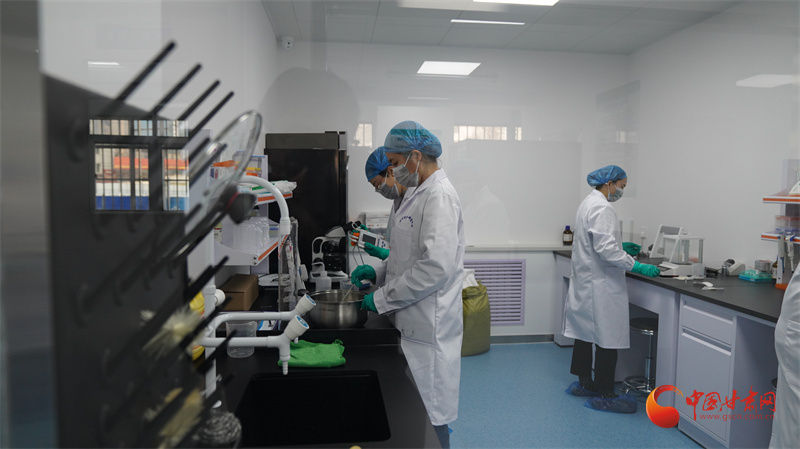
The establishment of the lanzhou lily research centre is precisely where the requirements for developing new quality agricultural productivity and strengthening critical core technologies in agriculture will be met. The centre will focus on three core tasks: first, improvement of varieties, tackling the challenges of the degradation of the ball through detoxification groups and fast-growing scales; second, technological innovation, the development of efficient planting and advanced processing technologies, and the transformation of industry from “food by heaven” to “technology empowerment”; and third, transformation of results, the establishment of an integrated platform for “production research” and the rapid introduction of laboratory technology into the field。
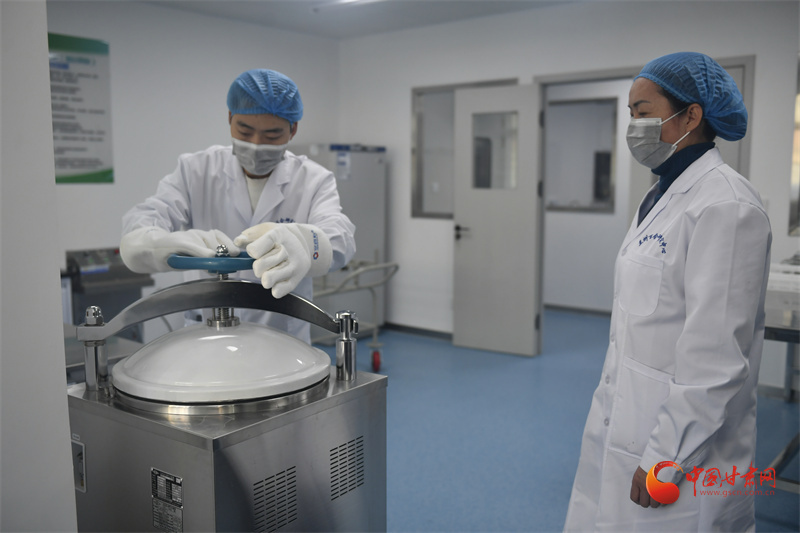
In terms of talent support, the centre has formed a “national team + indigenous” composite technical team. In addition to the full technical guidance provided by the liquor unit of the chinese academy of agricultural sciences, two senior experts are based in the seven river, and have integrated the regional agricultural technology cadre and lead enterprise professionals into a three-tier system of technical services. According to kolipin, the lanzhou lily cycle is nine years long and scientific research also requires long-term input, which will take at least six years to see the initial results. The establishment of the center does not need to be mine, and it must be my belief that the technological strength of the national team must be used to break down the scientific bottlenecks, and that it is more important to develop indigenous technical skills that will truly take root in this land。
The establishment of the research centre has opened up the possibility of a full-scale innovation in the lanzhou lily industry. At present, the seven-mile lily industry has formed a chain-wide layout from planting to processing, from sales to the mandarin brigade, with hundreds of processing firms, and has developed more than 20 series of products, such as lilies, lilies, lilies, etc., worth $6. 105 billion in the lanzhou lily brand, which sells products domestically and internationally. However, the problems of in-depth processing and product value addition need to be addressed urgently. In this regard, the centre will combine local enterprises in a technology-related effort to optimize the lilies process and improve the conservation and storage capacity, while developing high-value-added products such as lilies, fermenters and functional beverages, extending the industrial chain and transforming lily from “selling” to “sale-by-use”。
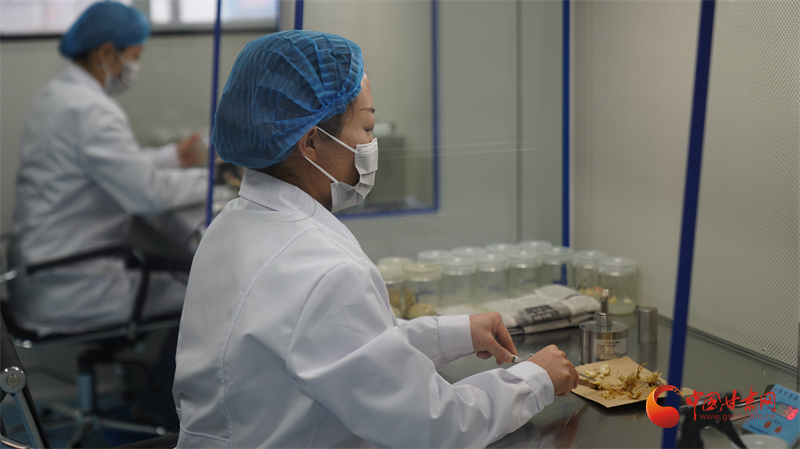
It is planned that the centre will promote the establishment of a three-tier multiplication system of “group seedlings — good seed balls — scavenger balls” in lanzhou, progressively leading to intensive production and market supply of quality seed balls. The diffusion of technology will not only lead to a significant increase in the lilies' monopolistic rate, with an increase of 500 to 1,000 pounds in acre production, but will also reduce the one-to-two-year growth cycle and effectively reduce the cost of planting. At the same time, specific fertilizer formulations will be developed and soil improvement will be carried out in order to create a more appropriate environment for lily growth, in response to the problem of soil nutritional imbalances in old-born areas。
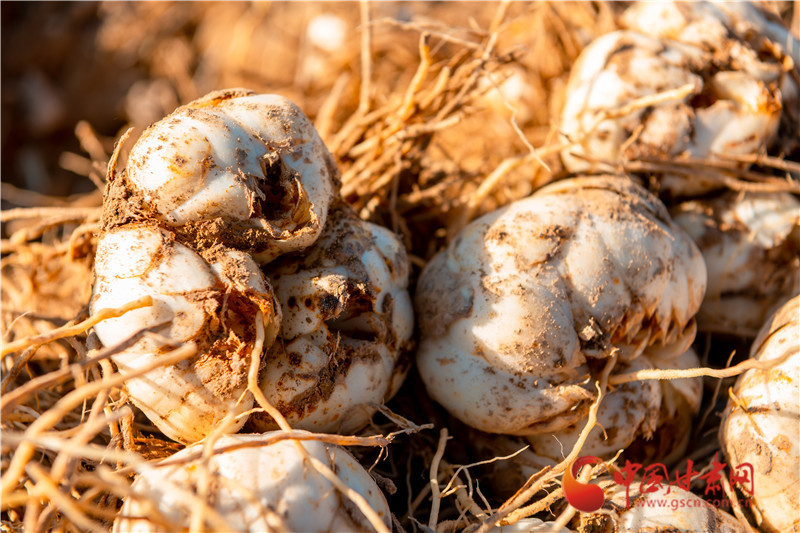
The new year's sunshine is spilling over the stairwell of the seven mile river, the research centre's laboratory is immersed in new sprouts, field technicians are guiding the farmers and the workers in the processing workshops are busy. In the future, the seven-mile river region will rely on the research centre for the construction of a national lilies base for the production of quality mother seeds and a processing marketing and distribution centre, which will promote the lilies industry to achieve “three increases” in seed quality, planting techniques and product value. In this land, which has been growing for more than 400 years, the scientific forces of the “national team” have become deeply integrated with the advantages of indigenous industries, and are writing a new chapter on the development of the new quality of agricultural productivity, so that the fragrance of the “white jade flowers” can travel across the sea and so that the day of the growers can pass。