The installation of utilities is the most important part of the renovation of the new house. What tools are needed for the installation of utilities? What do we need to look at? The following is a sub-editor's presentation of knowledge of hydropower installations. I hope it helps you
I. Tools needed for utilities installation
1. Tanking tool
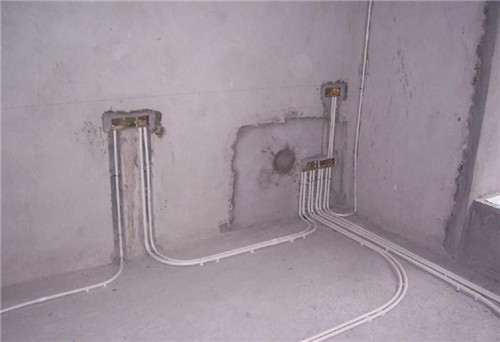
According to the plans for the construction of the hydroelectric road, the opening of a plume on the ground and on the wall was the first step in the installation of the hydroelectric power. First, the water and electricity installation route is drawn using tools such as rollers and pencils, and then the tanking is carried out using specialized slot-opening tools。
2. Water construction tools
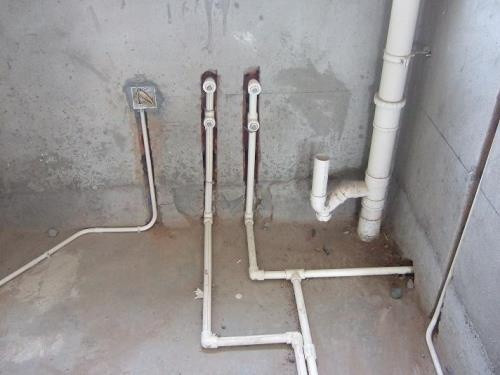
Connecting water pipes into water pipeline routes is the meaning of the construction of waterways. In connection with the connection, we need to cut the plumbing material and recommend the selection of a professional piper at the time of cutting, so that the tube axle of the broken pipe is free of accelerator and vertical; in addition to this, we need to use the pr-heater, which heats the pipes and pipes and connects them。
3. Circuit construction tools
The first should be the preparation of ripples with insulation, as this is the main tool for cutting wires in the construction of circuits; in addition to this, circuit construction requires springs for a bending line and electricians' knives and wires。
Ii. What needs to be notes on medium-water equipment
Water and electricity should be pre-positioned, not only in detail, so that switches can be more convenient. It is recommended that no more than 3 metres of space should be spaced to ensure that sufficient space is available to avoid the risk of future channeling affecting beauty and security。
2. Rationalally planned circuits, such as air conditioning, cooking, lighting and outlets, are to be set up separately。
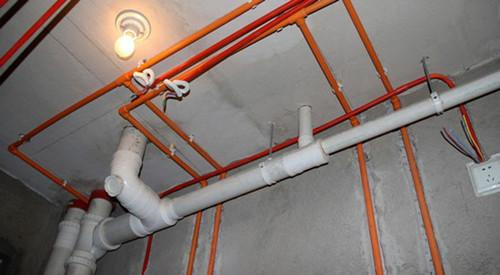
3. The layout of the circuits should be sensitive to strong and weak current subtrucks。
4. In the construction, care is taken to make currents into a interchangeable “live wire” process, which will greatly facilitate future circuit maintenance。
5. Tests are conducted after the construction of the pipes is completed。
6. Work on the drainage pipes must be carried out in such a way as to ensure that it is uninterrupted, that the water flow is smooth and that leak-proof tests are performed upon completion of installation。
7. Whoever carries out the work will be required to agree in advance on processes, materials, etc., and, after completion of the work, third party supervisors will be invited to perform the acceptance work on the construction of utilities。
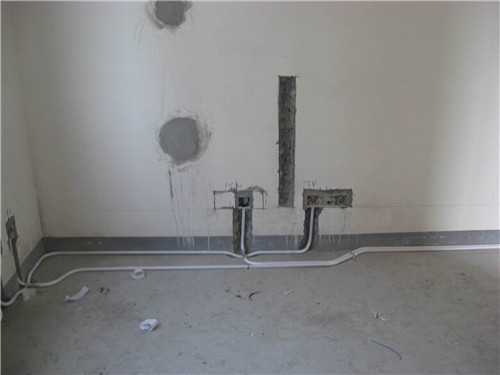
8. After the completion of the hydroelectric work, it is essential that the indoor hydroelectric route be recorded in a camera for archiving, mainly with strong and weak electrical lines, cooking and drainage pipes, etc。
Editor's summary: i'm sure you'll understand everything you've read about the need for tools and utilities. It is hoped that the above will bring some help and advice. If you need more information, please continue to follow us。