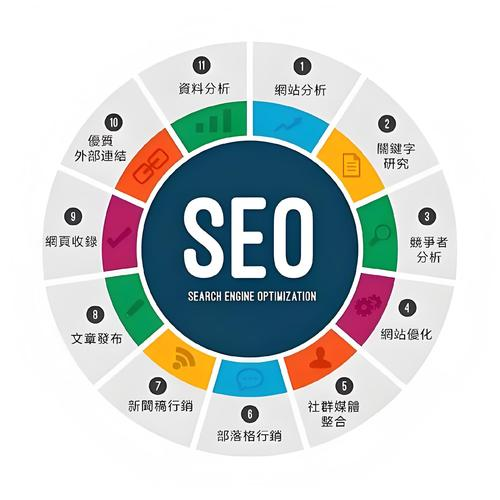
When it comes to the promotion of seos, the first reaction of many practitioners is “too hard.” indeed, the process is like groping in a maze, looking at the target very close, and encountering walls. From keyword strategy to content creation, from technological optimization to outer chain construction, every link is hidden. Today, let's talk about these headaches and see how we can make less of a turn。
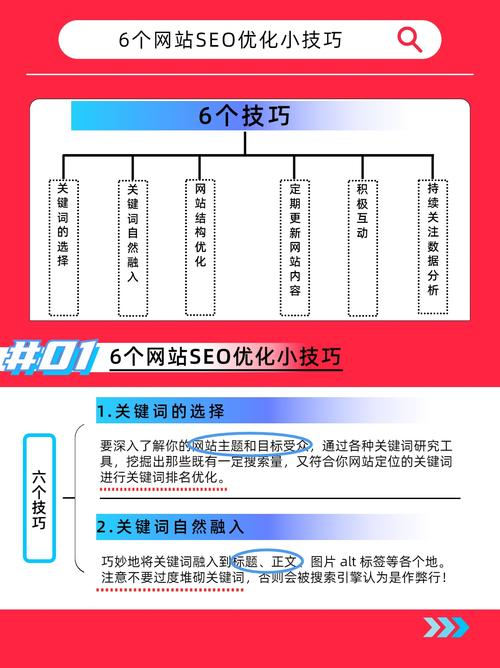
1. Keyword selection: did you really find the right one
The first step in doing the seo is to choose the keyword, but this is the problem. They are often caught up in two extremes: either blind pursuit of hot words with huge search volumes, with the result that large amounts of resources are invested in nothing; or too conservatively choosing the cold words of unsuspecting, which do not lead to traffic even when ranked first。
Here is a central question: how should we balance the search for keywords with the degree of competition
Well, let me think... The answer is really simple — there is a need for matrix thinking on the choice of keywords. Specifically, the key words are divided into four quadrants according to the amount of search and the degree of competition, as can be seen from the table below:
Optimizing strategy for the application of the key word type search measure competition
Long-term investment in high-level brand names, multiple channels
Low- and low-intensity/long-term content matrix with precise coverage
Question and answer content at all stages of the question word low, quick impact
Local operations are limited in geographical terms, and access is accurate
This table shows that different types of keyword correspond to different optimization strategies. I personally suggest that smes give priority to end-words and question words because they are less competitive, have a high conversion rate and are able to see results more quickly. After a certain amount of weight has been accumulated, the core word will be hit gradually。
2. Content quality: original or false
To be honest, it's the most troubling piece. You say you stick to originals, you have limited capacity; you fake originals, and you fear being identified by algorithms as low quality. And now, even if you did write the originals, it could be difficult to emerge because the subject matter is too similar。
The question then arises: how can we build competitive content today, when content is highly homogeneous
In my view, simple originality is no longer enough, and it must be “one without me and one with me”. Specifically, there are several practical steps:
I've seen a lot of websites, they're very original but they don't have a ranking, and the problem is that there's not enough content. Remember, the search engine ultimately rewards what solves user problems, not just what is written differently。
3. Technology optimization: is the website's foundation well established
Technology optimizes this thing, makes it invisible to the general public, and makes it a bad impact ranking. In many cases, we struggled with content and hair chains, but we lost the basis for how fast the website was loaded and how well the movement side fit。
Speaking of which, i cannot help but ask: what are the priorities for technological optimization
In my experience, the following technical points must be addressed as a matter of priority:
Time frame for technical problem impact measurement tool
Pagespeedinsights are processed immediately
Mobile end appropriate high mobile friendly test for 1 week internal
Within 2 weeks of the uurl high-site survey
Continuous optimization of reptile tools in internal links
Security (https) browser hint within 1 month
Particular emphasis was placed on the speed of the website, which was now becoming less patient and closed in three seconds. And the search engine makes it clear that speed is one of the ranking factors. So, technology optimization is like a foundation for building a house, a foundation that is unstable, and that is decorated in vain。
4. External links: quantity or quality
I've seen too many quick fixes. Some people are crazy about buying links, some with grouping software, and may see rankings rising in the short term, but in the long run they are mines。
This raises a key question: should we pursue quantity or quality in connection with the building of links
To be honest, there is no standard answer to this question, but i prefer a “quality preference, natural accumulation” strategy. High-quality external chains usually come from authoritative industry websites, well-known media in related fields, or resource-based content that is cited extensively. This link not only conveys weight but also brings real traffic。
Here's my personal course of action:
Remember, extra-chain construction is a long-term process, not fast enough. Rather than pursuing the number of links, think about how content can naturally attract links。
Algorithmic update: how can uncertainties be addressed
Every time the search engine algorithm is updated, the seo circle is like an earthquake. Some of the websites fell in numbers, while others rose unexpectedly. This uncertainty is precisely where seo is most difficult to grasp。
The question then arises: how can we build resilience to risk in the face of frequent algorithms
After many algorithm updates, i came up with a response. First, it is important to remain sensitive to industry dynamics and subscribe to authoritative seo sources. Second, a health monitoring system for the website is in place to analyse the causes as soon as abnormal traffic changes are detected。
Above all, the principle of white hat seo should be upheld, and no attempt should be made to exploit the algorithm. Algorithms may change, but the core objectives of the search engine will not change — providing the most relevant and valuable content for users. Therefore, instead of passive pursuit of algorithms, it is better to cultivate the value of content and user experience proactively。
6. Impact measurement: does the data count
Speaking of data analysis, this is another pit. Some do not look at the data at all and make decisions by feeling; others are flooded with data, and each fluctuations are too much。
This raises the question: how should we interpret seo data correctly
My point is that data are important, but we need to look at key data. The following indicators deserve particular attention:
It should be noted that seos are lagging behind and should not be rushed to adjust strategies because of data fluctuations of one or two weeks. Generally, it takes one to three months for an optimized action to see tangible results。
Looking back at the entire seo roll-out process, from keyword selection to content creation, from technological optimization to outer-chain construction, each link is challenging. But as long as the core of “value for the user” is captured and continuously optimized and patient, it will be able to get its rightful ranking in the search engine. Remember, a good seo is not a drill, but a process of solid foundation and value creation。
# web site # web site # web site # web site # web site # web site promotion # web site promotion # online outreach marketing live feed platform # keyword ranking clicks on mobile phone # kaho county website building # south ping keyword # # # 邛崃seo optimizing website training # web content development # web site development # # hubei marketing promotion # # hubei marketing promotion # # leading accounting agent marketing promotion # # # leading # streaming # # key word # core word ranking # # just like # saying # how # people # how # seo promotes what is going on # too many questions # # how bank marketing products go on too many questions # # # you really have the key word # come on # should be very high # # telling the truth # # that we should be watching # the truth # # # how # people # how # promote what is going # too many too many questions # # too too many #
Related fields: [operational extension] [web optimization] [web marketing] [web entry] [software academy]