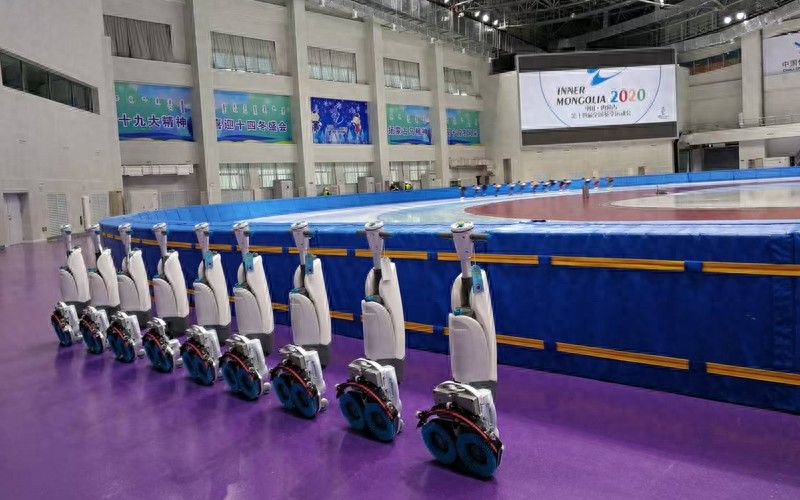
One point. Construction equipment management requirements
1. Large equipment to be assembled at the site, to be collected and inspected prior to use, to verify the quality and safety of the assembly, and to be activated upon certification。
The use of construction machinery shall be based on the principle of “manpower fixation” and shall be subject to a “triple-determination” system of scheduling, manning and job responsibilities. Implementation of a dedicated, pilot and operator-certified induction system for critical construction machinery equipment。
3. The movement of construction equipment shall be based on the schedule of work and the work required to establish a synchronized access site plan。
4. To enhance the balance, mobility and rational organization of the use, maintenance and repair of the mechanical equipment on-site. Increased efficiency and integrity in the use of mechanical equipment and reduction in the cost of mechanical use of the project。
5. Strict implementation of the operational and maintenance protocols for the construction machinery to deter the conduct of illegal operations and operations and to prevent the operation of mechanical equipment with disease and overload。
6. Establishment of a system for the use of construction machinery, maintenance of billing and award of fines。
Consider point 2. Requirements of construction machinery operators
1. Operation in strict compliance with operational protocols, the day-to-day maintenance of equipment and the safe operation of mechanical equipment。
2. Special operations strictly enforce the permit induction system and review the validity and scope of the documents。
Gradually achieve the requirements of the “quadratic conference” at this level (understanding: understanding performance, principle, structure, use; and three sessions: operational, maintenance, troubleshooting)。
4. Operation records of mechanical equipment are maintained, and the project is complete, complete and accurate。
1. Quality control points (qc points) are critical parts of the project or key processes that have a significant impact on the lower stages, such as performance, safety, life, reliability, etc。
Principles for the determination of quality control points:
(1) critical processes or components during the construction process, such as high-pressure electrical and electrical transformers for electrical installations, beam plate nodes for steel structures, equipment base for critical equipment, pressure tests, mating, etc。
(2) key mass characteristics of critical processes, such as welding without damage detection, level and vertical deviation of equipment installation, etc。
(3) weld drying, ramp handling, etc., of weaknesses in construction or processes of uncertain quality。
(4) key elements of key quality characteristics, such as the slopes and parallels of pipe installation, are the construction personnel and the temperature of the environment is the key factor in the weld quality of the winter welding works。
(5) processes, parts or objects that have a significant impact on the quality or safety of subsequent works (subsequent processes)。
(6) hiding works。
(7) parts or components of new processes, technologies, materials。
3. Classification of quality control points. Depending on the degree of impact of the control points on the quality of the project, they are divided into levels a, b and c。
(1) level a control points: the quality control points that affect the safe operation of the device (equipment) or use, or which are subject to quality problems after operation, must be stopped in order to be handled or specifically required by the contractual agreement, and must be verified and issued with a visa by a joint inspection of the construction, supervisor and owner。
(2) level b control points: quality control points affecting the quality of the lower process, to be confirmed by joint inspection and visa by the construction, supervisory and inspection staff。
(3) level c control points: secondary quality control points that have less impact on the quality of the project or that can be handled at any time after a problem with the vehicle has arisen and are confirmed by self-inspection by the construction square quality examiners。