It took a few years to crack, disfigure, and lose light. Don't worry about the quality of the furniture. It's probably your way of maintaining it! Wood furniture is like a living “skin” that needs the right care for its renewal. Mistakeful cleaning, tan and damp make it a “failure”. Today, you'll find out the maintenance tricks that professional furniture maintenance is using
Core one: daily cleaning, not “violence”
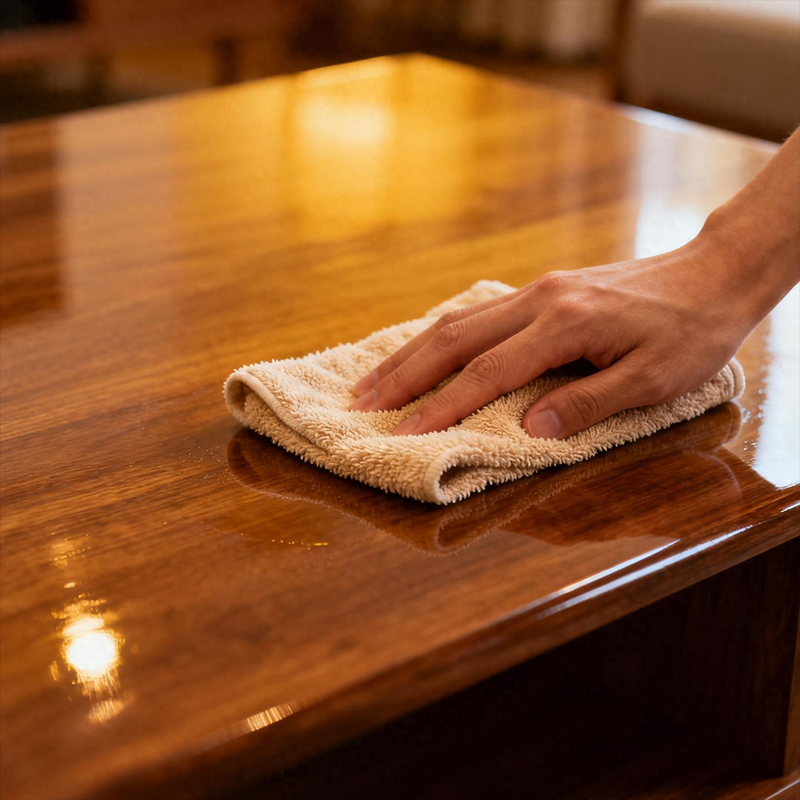
The wrong way to clean up is the number one cause of damage to furniture. The right thing to do is to wipe lightly with soft dry cotton cloth or super-fiber fabric during daily dust removal. If there is a stain, the cloth will be dipped slightly and dry, so that it will be `dehumid' and then rinsed with dry cloth。
There's no way to do this:
Do not wipe them directly with wet rags, otherwise the water penetrates into the pore of wood, and the furniture is prone to moldy deformations. Also, chemical cleaning agents, such as alcohol, gasoline and cleaning, can corrosive surface coatings and render them unprotected. And don't use rough fabric or wireballs that leave a scratch on the smooth paint that can never be erased。
Core ii: environmental control, “dry” and “tide”
Timber is “breathing” as the temperature and humidity of the environment changes, so environmental stability is critical。
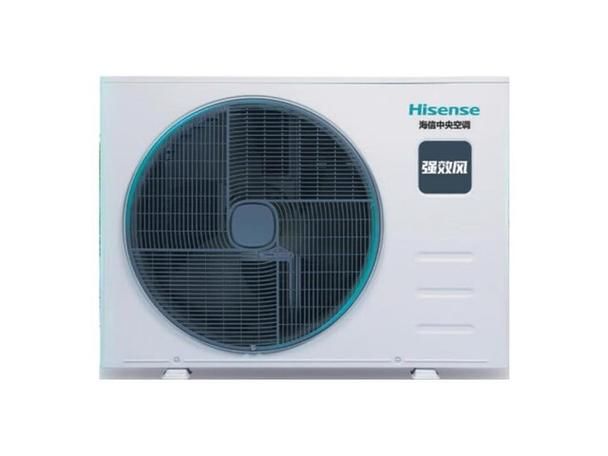
To prevent dry cracking: the air is dry in winter or in rooms with air conditioning, at which point the desired range of 40% - 60% of the indoor humidity can be maintained with a humidifier. Don't put the furniture where the heating or air conditioning is right in the air。
To prevent humid deformation: during the rainy season or in humid areas, take care of indoor ventilation and use dehumidifiers when necessary. The furniture leg can be protected against tide. If the surface of the furniture shows a slight stain, it will be sufficient to treat it with a mild furniture cleaner。

Core three: sunproof to avoid heat, away from light
Sunshine and heat are the “hidden killer” of wood furniture。
On the sunscreen side: don't let the furniture be exposed to sunlight for long, otherwise the paint will fade and the wood will dry. You can close the curtains or block them。
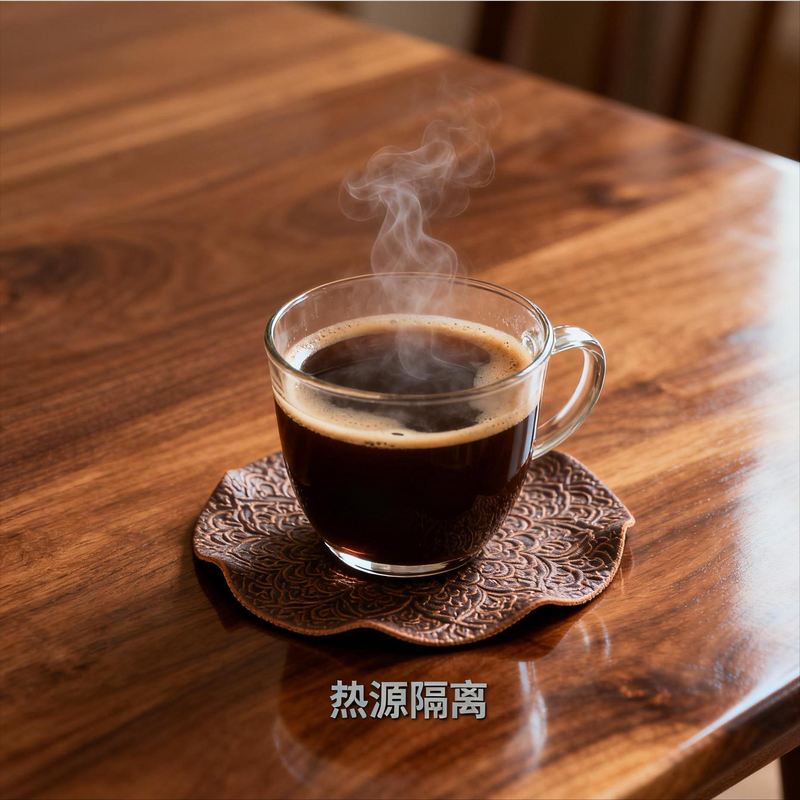
In the area of heat avoidance: never overheating, like water cups, hot pots on the surface of furniture, must be covered with an insulation pad. And keep the furniture away from the heaters。
Core iv: regular maintenance to re-emerge furniture
Just like our skin needs to be protected, furniture has to be made up regularly。
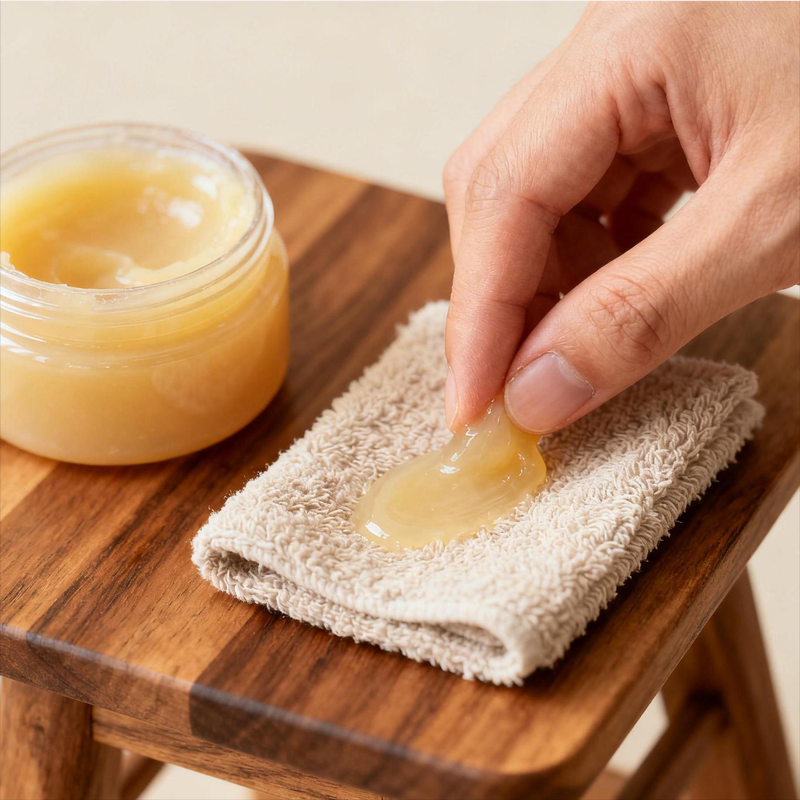
Waxing or oiling: every six months or one year, the furniture is maintained with specialized furniture to maintain waxes or wood oil. A thin coating, which is then polished with a soft cloth when it penetrates, will effectively replenish the grease, repair the minor scratches and form a layer of protection。
Note: before waxing, make sure the furniture is clean and dry. Different wood, such as paints, wax oils, open paints, applies different conservation products and is purchased well。
Core five: small damage, timely repair
If the furniture hits a bump, don't panic, you can handle it yourself。
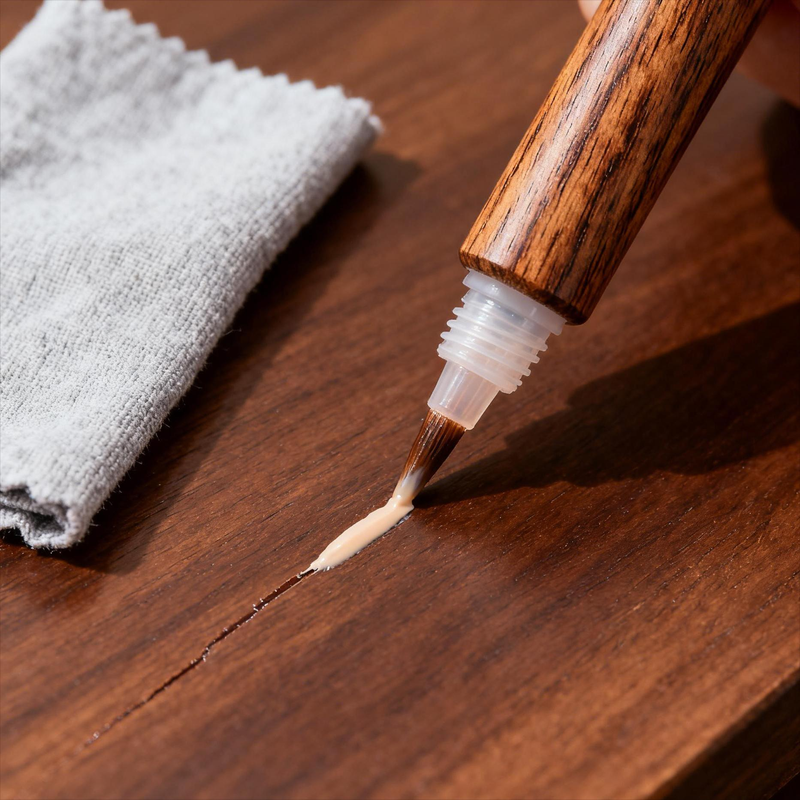
Slight scratches: the scratches can be covered with the same-coloured patches or walnuts repeated in the scratches, using their grease。
Watermarks or hot hairs: the marks are covered with soft cloths with a small amount of furniture and oil, which are then ironed with a cold iron until the traces disappear。
In the event of serious problems, such as widespread fragmentation and severe deformation, contact with professional maintenance staff is recommended。