Forklift 01 maintenance profile
The day-to-day maintenance of the forklift is essential as a key element in ensuring the continued stability of the forklift. Based on the depth and duration of maintenance, forklift maintenance can be divided into routine, primary, secondary and tertiary maintenance. While routine maintenance is essential on a daily basis, other levels of maintenance are arranged according to the number of hours worked by the forklift: primary maintenance usually takes place after 50 hours of work, secondary maintenance takes place after 200 hours of work and tertiary maintenance takes place after 600 hours of work. Through these periodic maintenance measures, the service life of the forklift can be effectively extended to enable it to continue to perform efficiently。
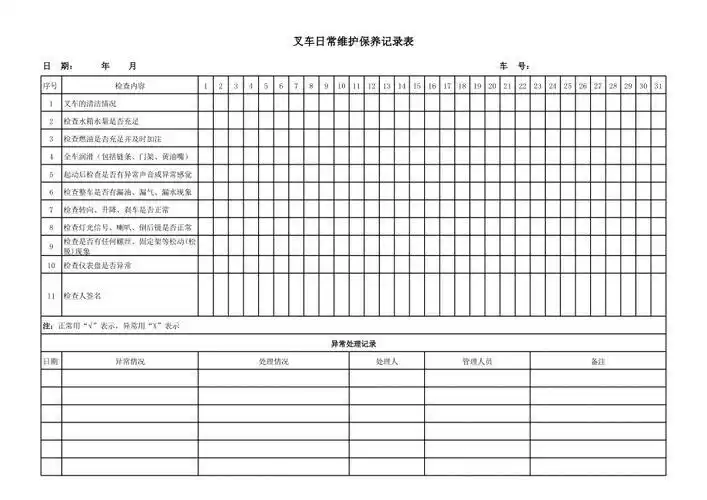
02 daily maintenance
Cleaning and checking
Next, let us look at the content of daily maintenance. Forklifts were thoroughly cleaned of dirt, soil and rube, with particular attention to the cleaning of forklifts and doorpost slides, generators and starters, electrode poles, water tanks and air filters. Checking fortresses, such as forklifts, lifting chains and screws, wheel screws, wheel fixes, brakes, steering gear screws, etc. To ensure that they are secure. Evaluate the reliability and flexibility of the transducer to ensure unhindered operation。
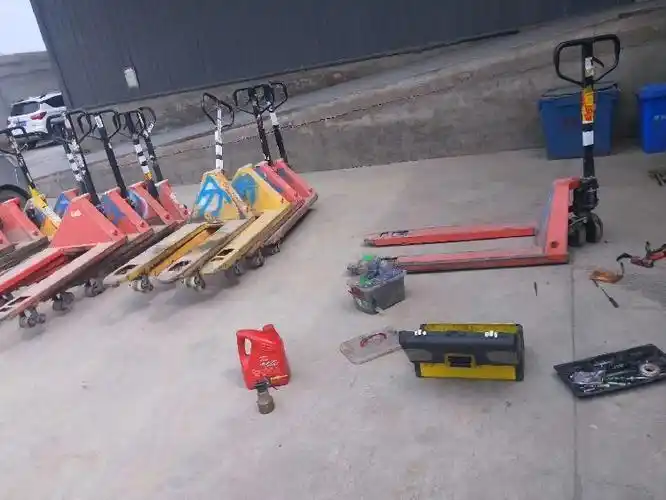
Leakage and foetal pressure
In-depth check of leakage, focusing on key areas such as pipes, diesel tanks, oil tanks, brake pumps, lifting tanks, tilt tanks, tanks, pumps, etc., to address leakage in a timely manner. A careful examination of the pressure of the tyres to supplement the specified values and to confirm the absence of leakage. At the same time, the tires are checked for damage to the ground and the side, and for disfigurement of the rotor to ensure their safety。
Liquid position and filter
Pay attention to brake fluids and water volumes, to see if brake fluids are within the scale range, and to check if they are mixed into the air in the brake tube. Dustproof water is required when brake fluid is added and clean tap water or the same anti-frozen fluid is used when water is added to the tank. The engine oil volume, hydraulic fluid and electrolyte are regularly checked. The volume of oil shall be kept between two tics, the oil level in the hydraulic tank shall be moderate, and the electrolyte in the cylinder shall be between the tics。
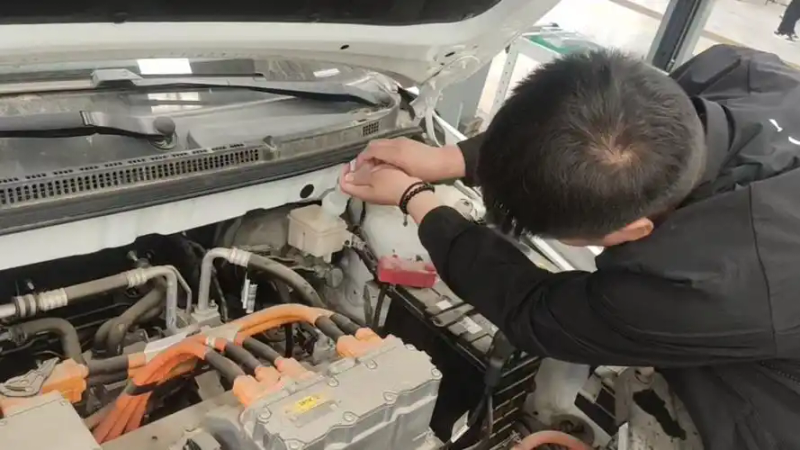
Operations and security
Functional checks of brake pedals, micro-moved pedals, clutch pedals and hand brakes are performed to confirm that there is no abnormal retardation or resistance, that the hand-held handle is less than 300 n and that the hand-held brakes are safe and reliable. A careful check of the laxity of the belt and the timely replacement of any break or crack. At the same time, equipment such as horns, lights and instrumentation is confirmed to be functional. Finally, the sediment in the oil filter is removed and its cleanness is maintained。
Level-03 technical maintenance
Basic maintenance extension
Next, we will move to the first level of technical maintenance, which is based on "day maintenance" and requires some additional work. In-depth examination of tank pressure or vacuum to ensure engine performance is stable. Carefully adjust the air gap to ensure smooth inflow and venting。
Dynamic detection
Detailed testing of the work state of thermostats to ensure their normal cooling systems. (b) conduct a comprehensive inspection of the performance of multi-routing valves, lifting tanks, tilt tanks, shifting to tanks and gear pumps to safeguard the functions of forklifts. Tests of retrofitting to ensure transmission efficiency. Carefully adjust the cut between the brakes and the drums of the hand, foot brakes to ensure the brake effect。
04 level 2 technical maintenance
Depth cleaning and inspection
Next, we'll do level two technical maintenance. Following the first level of technical maintenance, the following additional work is required: thorough cleaning of tanks, filters and pipes, and careful examination of any signs of corrosion or cracking. During the cleaning process, clean gauze or fabrics must be used, and the use of fibre-bearing articles is strictly prohibited。
Transmutation and braking systems
Rectangulars, gear tanks are cleaned and wear and tear of spare parts are carefully checked and new oil should be replaced if necessary. Check the status of the transmission axis bearings and adjust the direction of the all-way axis as required. All parts of the bridge are inspected to ensure that there are no oil spills and air vents. At the same time, the main brakes, the differentials, the wheelside brakes, adjust the axle bearings and add or replace lubricants。
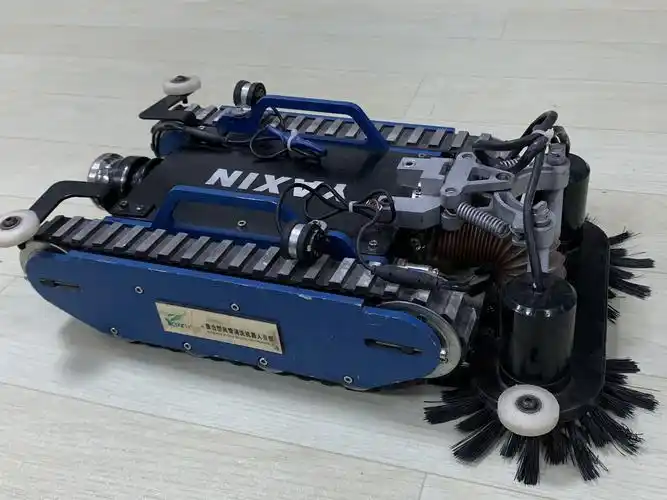
Turn and lubrication
Clean the switcher and check the drive free to ensure flexibility. Dismantling and cleaning of gear pumps, focusing on wear and tear on gears, shells and bearings. Dismantling multiple-road valves, examining carefully the gap between the poles and the valves and, if necessary, the safety valves. Replacement of suitable seasonal lubricants to ensure normal operation of machinery, depending on seasonal changes。