Seeding。
2. Land-based technologies
(b) large shed cultivation: organic and compound fertilisation, 1 metre wide, watering bottom water, flattening the surface, slightly lower road formation at the center, to be planted。
Small sheds: 1 metre wide, watering the bottom of the foot, flattening the surface to form a medium-high and low road, - to be planted。
3. Plantation techniques
1 established period:
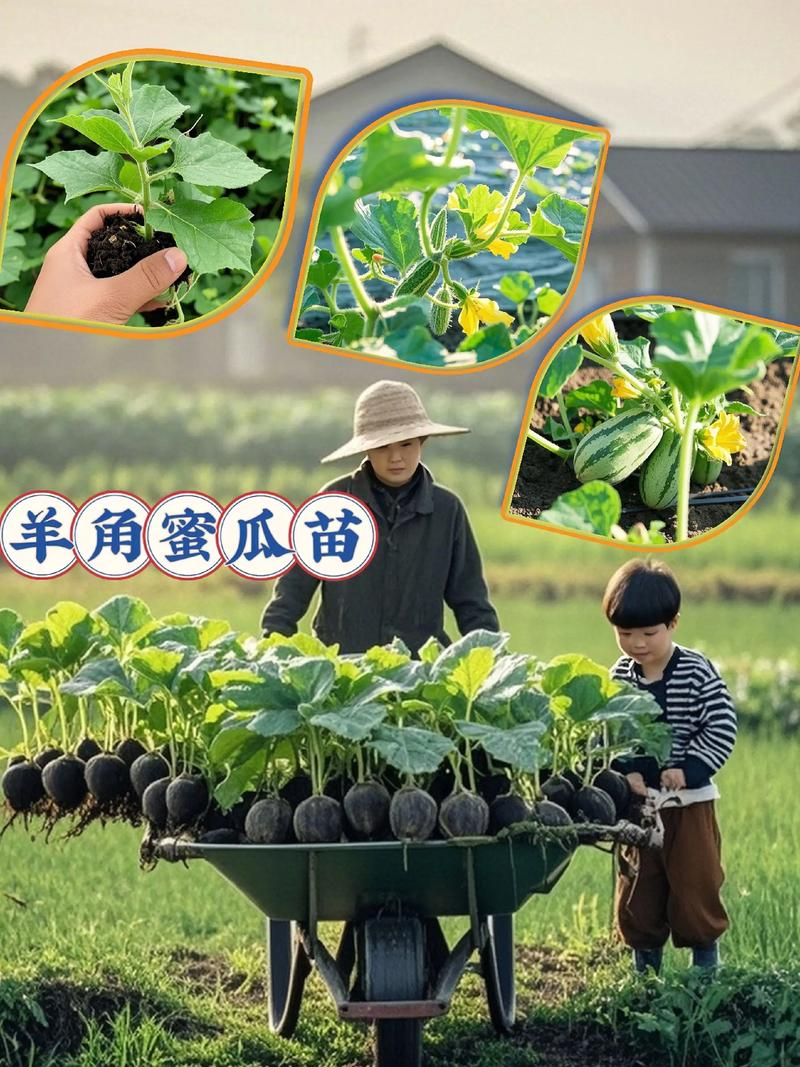
Whether the sheds or sheds are planted, the membranes should be put in place 7 to 10 days in advance, so as to raise the temperature in order to make them viable. The sheds were set on or around 10 march for a warm weather, and around 25 march for a warm weather。
2 planting density:
I. Planting: 2,500 per acre, i. E. 2 per acre, plantation is 1 metre wide and facilitates operations in large lines。
Ii. Cramping: 1,500 per acre, i. E. One row per acre。
3 plantation methods:
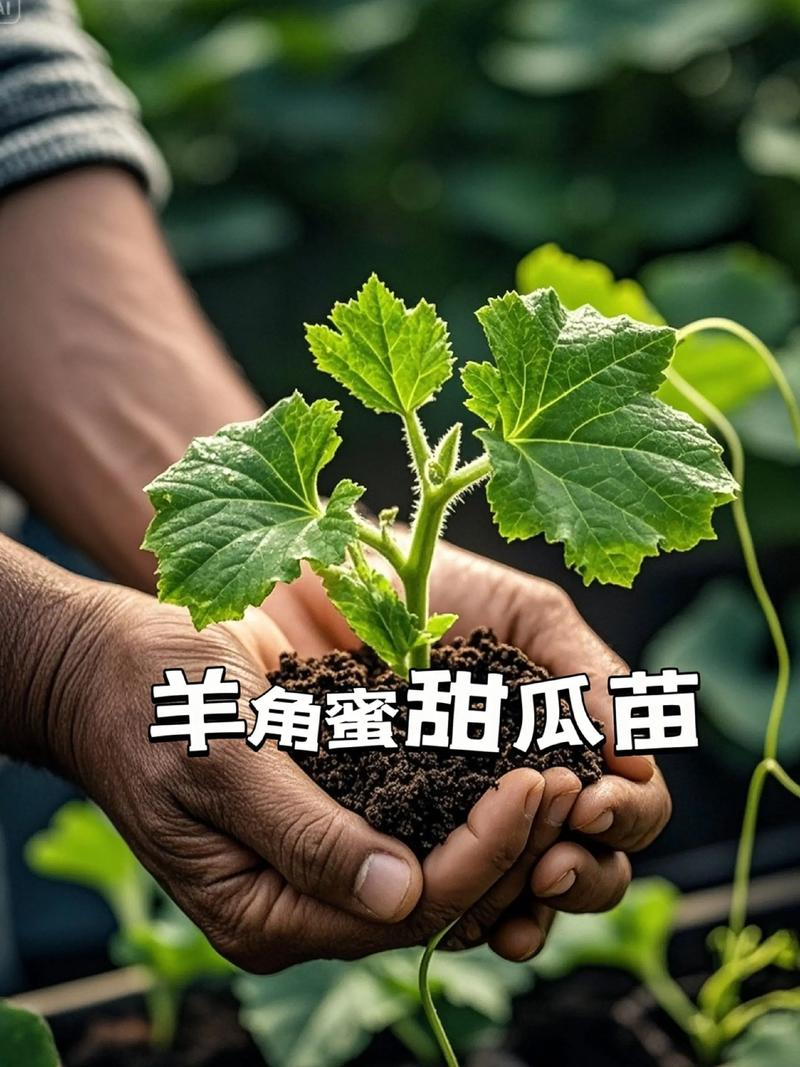
In order to prevent freezing, small and medium-sized plants should be planted in the sun. Before planting, one side of the membrane was removed, and the ditch was dug in the direction of the platinum at the required distance, approximately 20 centimetres long and 10-15 centimetres deep. The sheds are in two rows and the sheds in one row at the centre. Dig and plant. Before the seeding, three to four leaves were left in the nursery to the top, prompting the chicken to have an early hair so as to facilitate early results. (c) placing the seedling head, which has been removed from plastic scavengers, southward (or east) to the north (or west) in the planting ditch. The height of the dirt is about 1 cm flat or slightly lower. Buried the earth with wet soil, crushing the soil around it (not to bury small leaves). After planting, small saplings lay in the planting ditch. Covers the membrane and, on that day, before the shed, opens a small mouth of egg size above the small seedlings, so that they can grow properly. Assuming that there is no wind, the small saplings are under the membranes and will dry up in a few days, so it is necessary to open the air the same day. On the third day, seedlings were extracted from the vent. The seedlings grow normally first. If planting takes place late or in a better weather, and there is no severe cold in the near future, it may also be possible to open a small shed and empty the seedlings once and for all. If the bottom is short or sandy soil is not strong enough to keep water, a small amount of water is poured in the planting pits (usually not more than a pound of water per pit to prevent excessive water being poured to lower the temperature), which is more conducive to survival。
4. Post-plant management
Whether the sheds or sheds are planted, the original is: the sooner the better. The criterion for being able to grow is that the average temperature of 5 centimetres per day under the membrane is stable at 13-14 degrees. In order for planting to be done early and to be on the market early, it is necessary to cover the area early and to build the shed early。
After planting, the lower temperatures at the time increased the temperature by raising the temperature of the shed, boosting new roots and promoting the seedlings, so as not to let the wind out. Don't let it out even if it's at 40°c. Only a small amount of air is released unless there is a critical baked seedling, but such weather is rarely seen in the early days. In general, five to seven days after planting, the seedlings grow new roots and the new leaf is slowly growing. If the soil lacked water, it should be watered once in the gutter, and water would be collected from containers, through the membranes. Small holes water the planting ditch, but the weather progress must be selected. Water is strictly forbidden in cold weather。
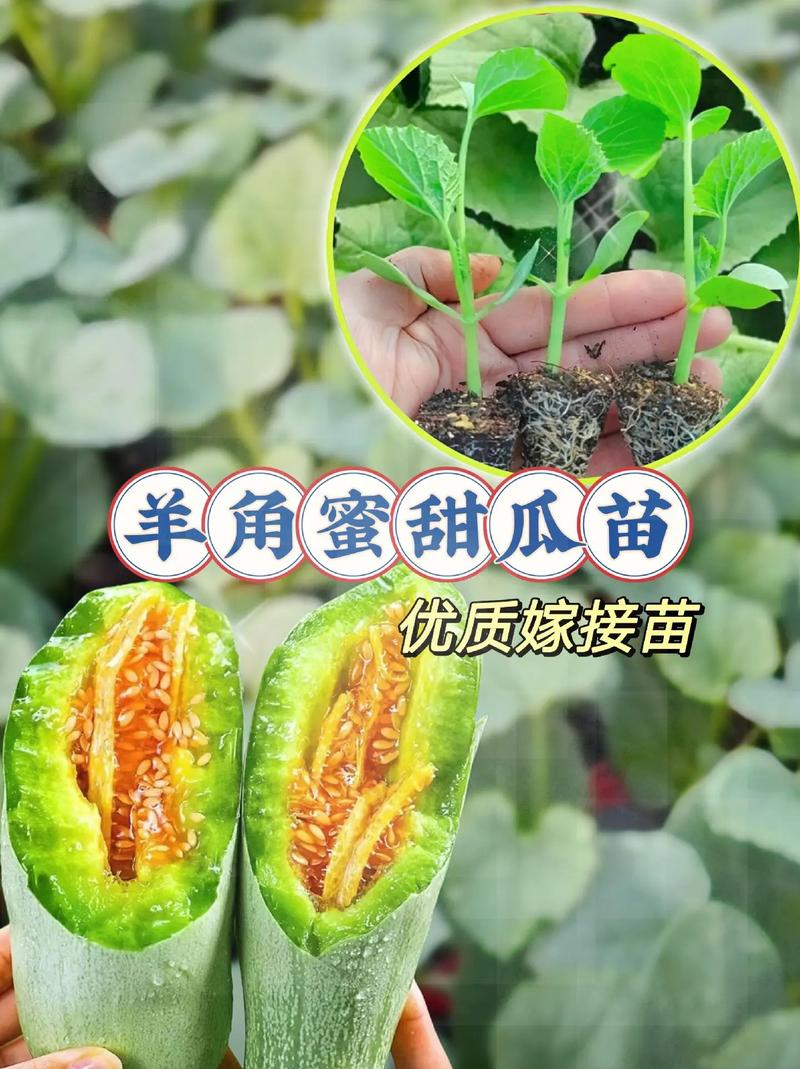
The temperature of the shed is up to 30°c during the day and is cut off during the afternoon, keeping the temperature as long as 30°c。
5 - the whole melon technology
1 shed:
The seedlings have been strung before planting, and when the man grows up, three to four corks of chickens, each with a female flower in the first section, and one of the most basic corks is removed, each of which keeps three corks in the opposite direction, i. E., one to the east, or one to the south, to the north, and to the south, to prevent the wind. Leave 3-4 leaves in front of the female so as to contribute to the positive development outcomes of the female. Each of the chickens grows one of the first ones, and the rest is removed at an early stage. The result is achieved by artificial assistance in pollinating the female when the flower blooms or by the application of a vasectomy. If the chicken is free of a melon, then each one leaves two to three leaves to the point, keeping the front end of 12 grandchildren, while the rest of them are removed at an early stage and the female grows in the first section. Keep one to two leaves in front of the female so as to promote her development. Artificial pollination or administration of flowers with anti-depressants when female flowers bloom. When