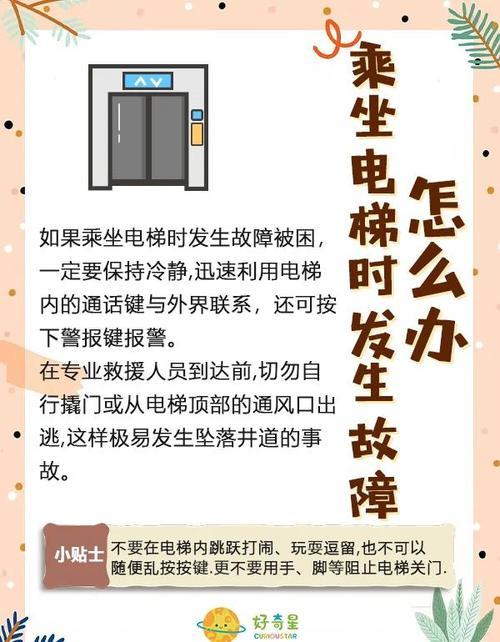
In recent years, the knowledge of safe self-help methods and maintenance in the event of elevator failure has spread. With the rapid growth of urban construction, elevators have become an indispensable vehicle in everyday life. However, safety awareness and self-rescue capacity in the event of elevator failure remain relatively weak among the public. In order to increase public resilience in the event of elevator failure and to provide knowledge about maintenance, the following headings will be analysed in detail. 1. Self-help methods in elevators in case of emergency power outages tend to cause panic and helplessness when the elevators are out. To ensure our own safety, we can do the following: (1) stay calm and avoid panic. In emergencies, calm minds are better equipped to deal with problems. (2) use an emergency call button or press an emergency telephone. These devices are usually designed inside the elevator and can be immediately contacted by the maintenance staff. (3) wait for help and do not try to climb out of the elevator. Self-crawling out of the elevator may cause serious harm and should await the assistance of professionals. 2. The response strategy when the elevator is stuck on the midway floor and when the elevator is stuck on the midway floor, we should adopt some coping strategies to ensure our safety: (1) press the call button inside the elevator and inform the maintenance staff. While maintaining calm, it is important to actively seek outside help. (2) if there is a call button inside the elevator and it is available, contact with the outside world can be maintained through the call system, providing relief personnel with information on their location, etc. (3) be careful to maintain good ventilation and avoid overuse of internal resources, such as limiting the use of mobile phones and reducing excessive physical activity. 3. Knowledge-sharing on maintenance: regular inspections and attention are needed to maintain the proper operation of elevators and to avoid malfunctions: (1) periodic inspection: it is recommended that the elevators be inspected and maintained by specialized maintenance staff on a regular basis to ensure that the elevators are functional and safe. (2) attention: in day-to-day use, we should be careful to assist in maintaining the health and safety of elevators, and all acts such as vomiting and littering should be eliminated so as not to affect the life of elevators. In short, the dissemination of knowledge of safe self-help methods and maintenance in the event of elevator failure is critical. The overall security of society can be better ensured only by raising public awareness and responsiveness. It is hoped that this detailed analysis will lead to increased public attention and understanding of the issue and to appropriate prevention and self-help measures in everyday life。