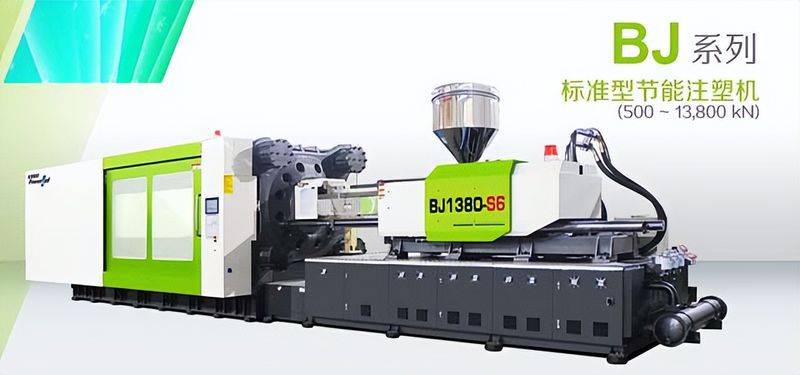
Note plastics machines, which are essential for the production of plastics, require periodic inspection and maintenance. You're gonna lose if you don't keep the emerald machine that you bought for hundreds of thousands of dollars! In order to reduce the slowdown in production due to accidents, it is important for enterprises to inspect and maintain their own plant equipment. So, what needs to be noted in the maintenance of the plating machines, and how? Here's what you're doing。
Precautionary maintenance is a series of preventive work and inspections designed to prevent machinery malfunctions and to extend the working life of parts of spare parts, such as the conversion of abrupt breakdowns leading to shutdowns to foreseeable and programmable shutdowns or major repairs; timely detection and replacement of damaged parts prevent chain damage。

The daily maintenance check is at seven:
1. Check the normal operation of protective devices such as security doors。
2. Check if pressure oil temperatures are excessive。
Check if emergency shutdown switches can cut the motor power。
4. Check whether the pumps are working under excessive pressure. (system pressure maximum 140 bar)。
5. Keep electron-foot mains and poles clean. Check if the temperature gauge and the heater are working properly
6. Check that the central lubrication system is working properly. Keep your plastics and your surroundings clean。
7. The mould is firmly installed on the headboard and moving templates。
There are six points per month for inspection:
Checks whether the parallelity of the template and the verticality with the golin column exceed the standard。
2. Check the linear ratio of the panels and adjust it if necessary。
3. Repeat the preceding paragraph of the inspection。
Check if the pressure oil is contaminated and clean or replace the oil sift in the tank。
5 add lubricant grease to the molar silk mother。
6. Check that electrical components are unwieldy。
There are four points of inspection per year:
1. To check whether electrical wires are ageing or hardening, in particular wires that are often in contact with lubricants or pressure oils。
2. Repeat the preceding paragraph of the inspection to check whether the pressure oil needs to be replaced。
Three, check the motor bearings, no noise or damage.
4. Check for wear and tear in the smelt screws and embolisms。