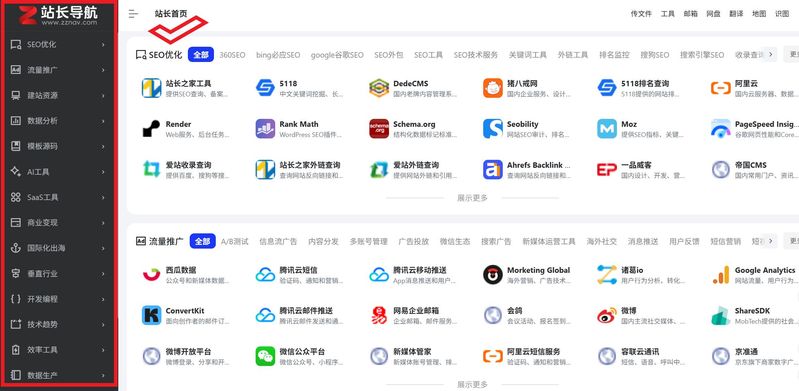
On march 28th, shenzhen roading internet ltd. Launched a global navigation site using 16 languages for global users。
To date, it is understood that “across-the-road” has been established in 244 countries and territories, covering all regions of the globe, and it can be said that global “across-the-road” functions and services can be accessed as long as there is a network signal, even in the cold antarctic or in forests in kenya. In order to achieve this global goal, it took more than two years for the development team of more than 300 people to finally improve access. The size and time of the development team is much greater than the type of website, providing high-quality “global interconnection experiences” for users by combining the best and most advantageous website resources and service models globally。
Using the 16 most universal language services worldwide, which cover 96 per cent of the world's language users, users can easily break through language barriers and geographical barriers and have access to information and resources worldwide in the most accessible manner. The emergence of “all the way” will certainly bring the world closer to users in all regions of the world, and the world will become evener. In “all the way”, websites and software in that language can be found in any language around the world and directly through the translation of powerful browsers in other languages around the world。
For users, it is particularly convenient to support all user terminals, both at the pc end and on mobile phones ap, wap and pad, as a fully-end-covered system-wide navigation website. The "across the world" approach completely subverts a language, a region, a country's navigational web model, and a "one net, one global" attitude is bound to usher in a period of navigational platform 2. 0。
“in the context of global integration, `all the way' has created a web-based platform for all users of computers, smart phones and pads around the world. The advent of a new era of navigational web 2. 0, aimed at the growing demand for internet use by a large number of netizens, must lead to a change in people’s habits of internet use, which must be moving in a more operational, wider-sighted, and progressive direction. (reporter li wenwyn)