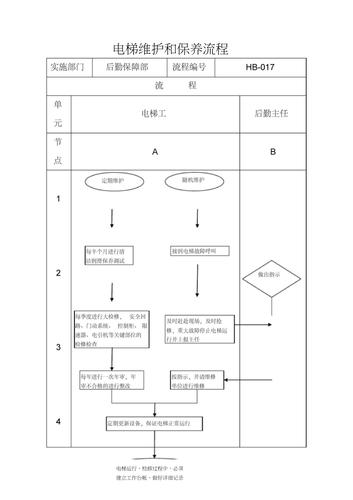
Elevator maintenance processes and operating regulations elevator maintenance processes and operating regulations elevators are indispensable vehicles in modern society and maintenance of elevators is an important measure to ensure their safe operation. This paper will describe the process and operating regulations for elevator maintenance. Elevator maintenance is divided into three phases: routine maintenance, regular maintenance and maintenance. 1. Daily maintenance (1) inspection of elevator door systems: this includes checking whether the door tracks are clean, the locks of the door are adhesive and the doors are tight. (2) inspection of well-channel equipment: this includes checking whether wind exchangers, lighting, emergency telephones, fire suppression devices, etc. Are functioning normally. (3) check the operation of elevators: this includes checking whether the speed of elevators, the speed of car doors, emergency brakes, etc. Are in accordance with the regulations. 2. Regular maintenance. Periodic maintenance means periodic inspection, maintenance and maintenance of elevators. The various components of the elevator will need to be maintained during regular maintenance and the elevator will be thoroughly inspected. (1) electrical maintenance: including cleaning, lubrication, laxity adjustments, etc., for electrical units, bearings, controllers, wheel axes, etc. (2) mechanical maintenance: includes inspection of all parts of elevator rooms, cables, tracks, sliders, ropes, floor indicators, etc. To ensure their normal operation. (3) maintenance of the door system: this includes inspection and adjustment of the closedness of the door, the compatibility of the door with the door frame, the power and operation of the hook lock and the screen opener. 3. Repair and maintenance. Repair and maintenance means maintenance in the event of elevator failure or abnormality. In repair and maintenance, repairs or replacement of spare parts are required for fault areas. (1) diagnosis of malfunctions: this includes locating fault points and conducting a comprehensive check of elevator equipment to identify possible additional problems。