A survey of 38 consumer defence units shows that:
After-sale service: apple passed, mi failed
Since the beginning of last year, the guangxi news network-continue life news (journalist and correspondent lee peixia) has been exposed to numerous cases of fraud in mobile phone maintenance, which has attracted a high level of attention from various local anti-government organizations. On 13 may, beijing, tianjin, shanghai, chongqing, guangxi and 36 provinces/prefectures of beijing and china, together with 38 consumer defence units of the chinese consumer press and the chinese consumer network, jointly published a report on the investigation into the elimination of fraud in maintenance, after-sale services in mobile phones. The survey found that there are three major problems with after-sale services:
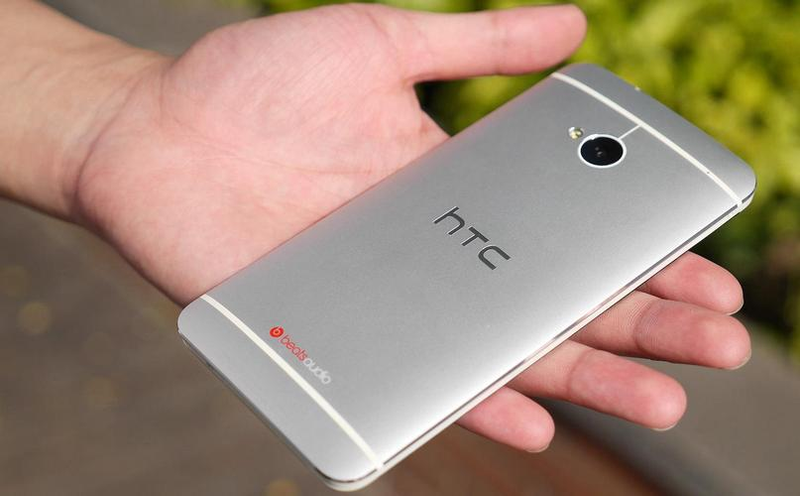
1. Five brands, such as apples, are sold and pass the grid. A survey of 38 consumer rights units found that after-sale service measures in 13 market mainstream mobile phone brands, although to some extent avoiding fraud in maintenance, still varied considerably. Many of the 13 mainstream mobile phone brands scored between 76 and below. Of these, three cell phone brands, namely, apples, hips, step highs/vivo, have just passed, while mi and htc have only received 56 points, and they are on the bottom。
2. Some brands do not provide after-sales outlets. Currently, one of the most prominent problems in mobile phone maintenance is the proliferation of black repair sites. Mobile phone manufacturers, on the other hand, can facilitate smooth access to formal authorized after-sale service outlets if they are able to provide consumers with comprehensive, accessible and accessible contacts。
The results of the survey showed that 13 mobile phone brands could enable consumers to obtain after-sale service network information authorized by the manufacturer through a “list of services in product packaging”, a hotline for factory services” and an “official website for mobile phone manufacturers”. In particular, however, the coolies do not have after-sale service outlets that are authorized by the manufacturer to use such channels internally. Apples, millet, htc, and zing are neither able to obtain the company's authorized after-sale network information from inside mobile phone applications nor the company's customer helpline information from inside mobile phone applications or preset telephone numbers。
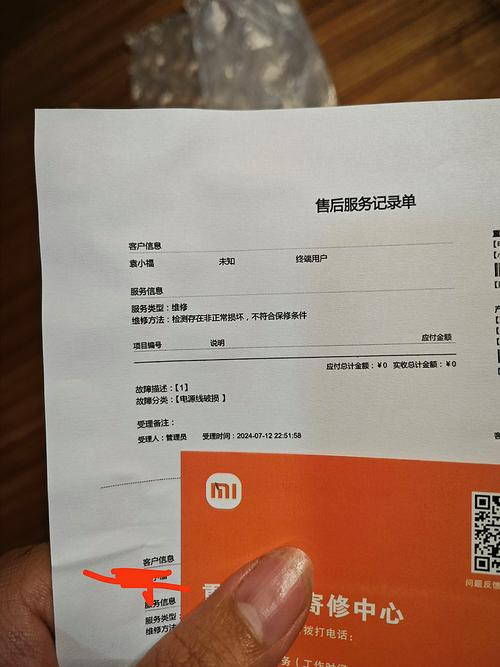
Untransparent rates lead to maintenance of “black holes”. The key to consumer uncertainty about the formal services network authorized by the manufacturer lies in different rates and lack of transparency in the maintenance process. A number of mobile phone manufacturers have licensed service outlets and have also obtained windfall profits by fraudulent means. If the main panel was destroyed by deliberately pouring water into the cell phone; if it was charged with a large electrical current, the main panel could have been burned; if it could have been replaced by a single simple piece, it would have been replaced by a complex component; if it had been repaired, the consumer would have been deceived not to repair the main board but to change it。
So what is the transparency of mobile phone manufacturers and their authorized service points? The answer is: general underperformance. The results of the survey showed that apple, nokia, chin-king, and kim li performed relatively poorly, and at least three of the five specific service initiatives in this area were divided into zero. In addition, in a survey on whether there are clear out-of-pocket maintenance rates at authorized service points, such as the posting of out-of-pocket maintenance posters, there were 8 out of 13 market-based mainstream brands surveyed; 9 out of a survey on the ability of mobile phone company customer service lines to inform consumers of out-of-pocket maintenance rates; and, in a survey on whether mobile phone manufacturers publish maintenance projects on official websites and prices to facilitate consumer access and reference, only two of the brands provided corresponding services and 11 lost points。
Small knowledge
Three packages of cell phone
Three packages of mobile phones are specified to be valid for one year; three of the packages are valid for six months for batteries, three months for external wired headphones and one year for chargers, mobile terminals and data interface cards. At the same time, the three packages specify that the consumer loses the shipping ticket and the three packages of vouchers and cannot provide valid evidence such as a base or copy of the shipping ticket (underline), but the date of departure according to the host body number (imei serial number) is still within the validity of the three packages, and the date of commencement of the three packages after the date of departure shall be 90 days, and the seller, the repairer and the producer shall be responsible for repairing them free of charge in accordance with this provision。