Zhou snowshaw
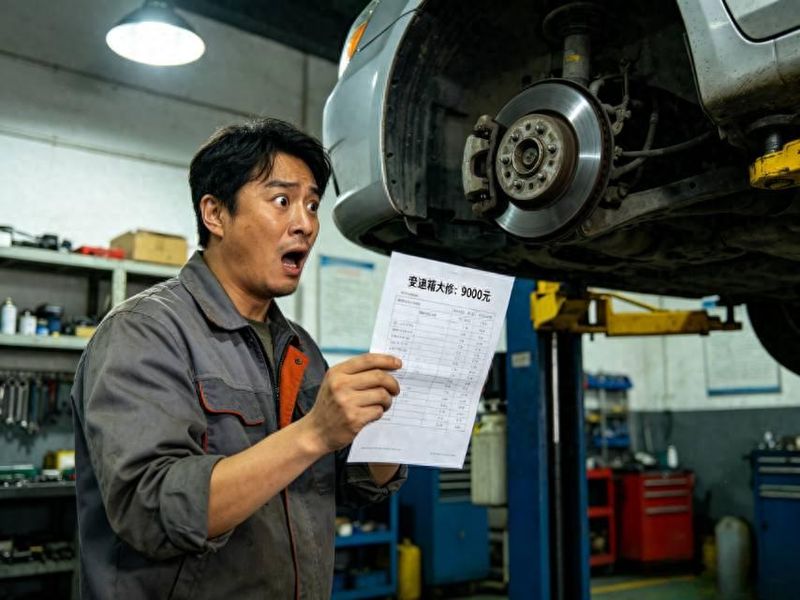
The digital camera that was bought two years ago was ill-conceived and taken to a photo studio to ask if it could be repaired. The staff members looked at it, judged that the wire was broken, recommended no repairs and bought a new one. It's a shame to lose it, to find a teacher who spent $200 to fix it, and then a month later the same problem arose. The camera was tied up。
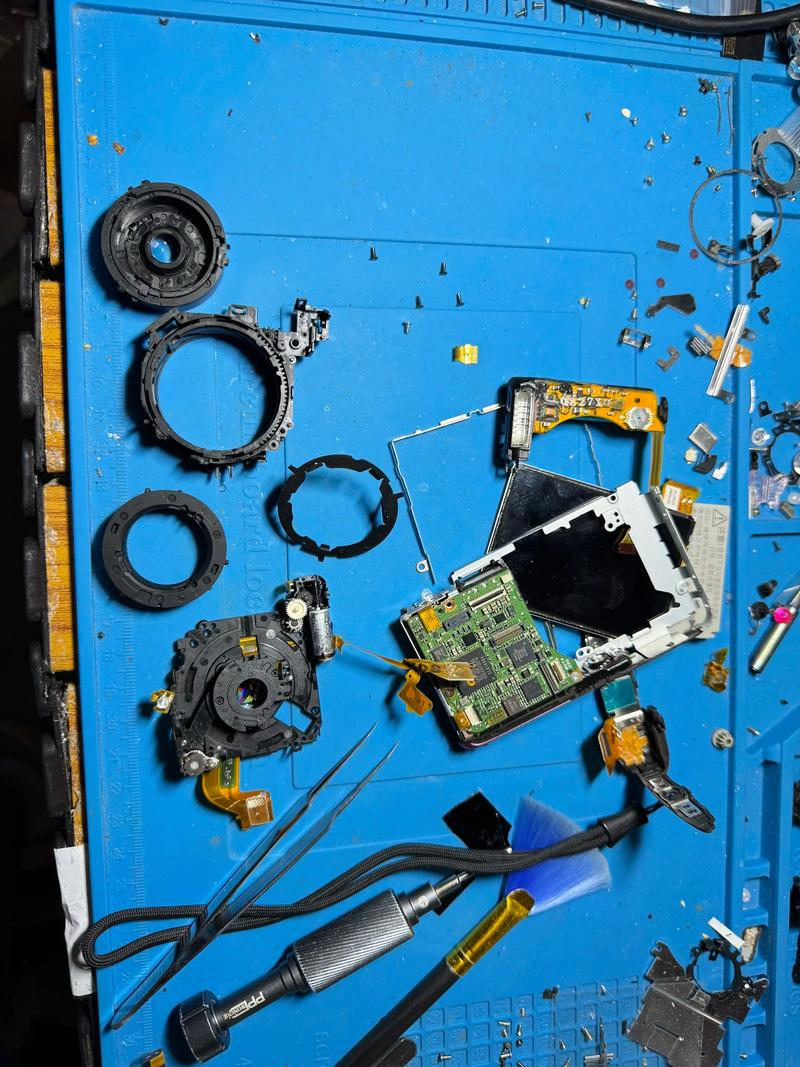
Will your camera or any other home appliances be repaired? If the value of money is good, there should be a lot of people who would send for repairs. It is believed, however, that many people have experienced the same experience: some domestic appliances are repaired once, and they are repaired repeatedly and repeatedly. As a result, everyone has the habit of changing new products as bad as bad。
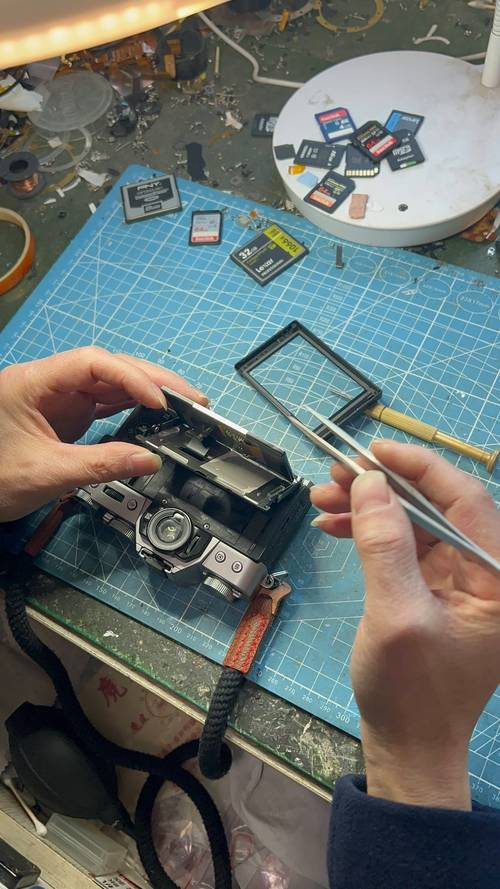
A recent article describing a camera that the author had bought from abroad more than 10 years ago was broken and used to repair it, resulting in a new camera being bought at a price that the author did not want to repair, but the maintenance master refused to do, saying, “any item that can be repaired is to maximize its useful life, otherwise the world is full of useless things that are not available”. In the end, the camera was fixed and the photo effects were as good as they were for several years。
Why can't we fix our appliances? Is it a maintenance problem? According to the author, in the context of economic development by expanding consumption, manufacturers dominate people's consumption philosophy. As a result of business interests, there is a deliberate design strategy in all areas of production to reduce the life cycle of products, accelerate commodity renewal, stimulate consumption, increase production and guarantee maximum profits for enterprises. This strategy is used by unbridled businesses as a means of achieving profit, using materials or components that are part of a product with shorter lifespans as part of the life cycle of the product and reducing the useful life of the product by humans. Thus, many domestic appliances such as television, air conditioning, refrigerators and so on have a limited useful life, which, if broken, also affects the effectiveness of their use because of the poor quality of the materials or components that have been replaced. Under the fast-changing concept of consumption, consumers are forced to end-of-life products and producers are deprived of consumers ' choice to extend the life cycle of their products, while creating a huge waste of social resources. It is even more disheartening that these enterprises are not responsible for the destruction of resources, the environment and are proud to raise the GDP of the state。
If only from the point of view of consumption-promoting production, growing consumption could contribute to production on a continuous basis and could be beneficial to production development. However, this irrational consumption pattern is irresponsible and an obstacle to the sustainable development of societies, with a view to the long-term sustainability of the economy and to the availability of natural resources and the affordability of ecosystems. We need to foster a new concept of consumption: human beings have the right to consume, but must bear the corresponding responsibilities and obligations; consumer behaviour is accountable to others and cannot be detrimental to their consumption rights, including those of future generations; human demands for nature are balanced against human feedback to nature and cannot exceed its carrying capacity。
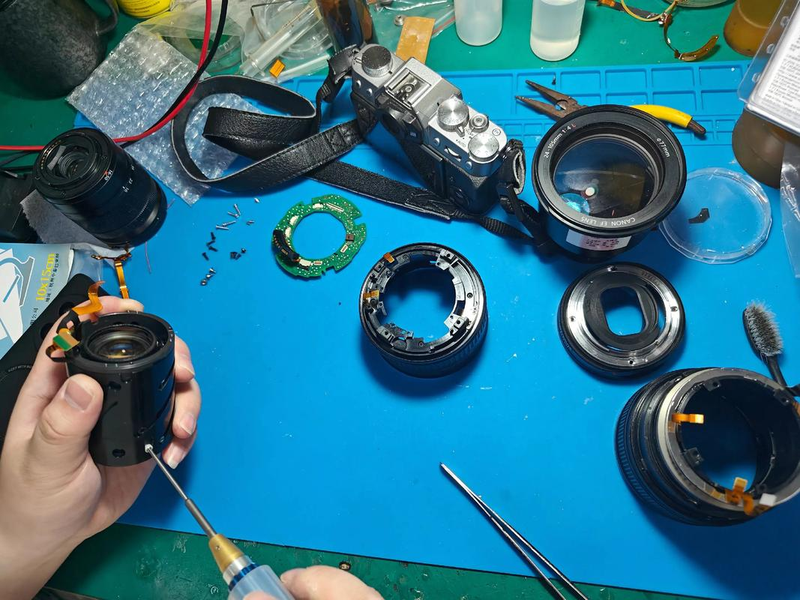
If the home appliances are broken, will you send them to repair and continue their useful lives