Today, 27 december, the “poaching of treasures will support only refunds” will be the hottest search。
This occurred on 26 december, when the revised rules for the handling of disputes at the scavenger platform entered into force. The rules have added provisions relating to “refunds only” and those goods and businesses that have long-term services that are not in place and of unreliable quality will face stricter management measures on the platform。
The network of observers noted that the new regulations had been publicized on 19 september this year — before the transformation of the organization。
Social platform picture
Overall, this update has three main points:
1. The new treasure hunt is based on the platform's own large data capabilities, the identification of multi-dimensional combinations, and the rule for quick refund or refund of goods when the buyer initiates the sale in accordance with the circumstances
2. The basis for the orientation rule for supplementary money treatment in cases where the seller has delayed, forced and without the buyer's consent
3. Add a provision to support the return of goods that have been rejected by the buyer for seven days without justification or for which the platform has determined that they could be rejected by the buyer, and support for refund processing where the buyer has refused to sign。
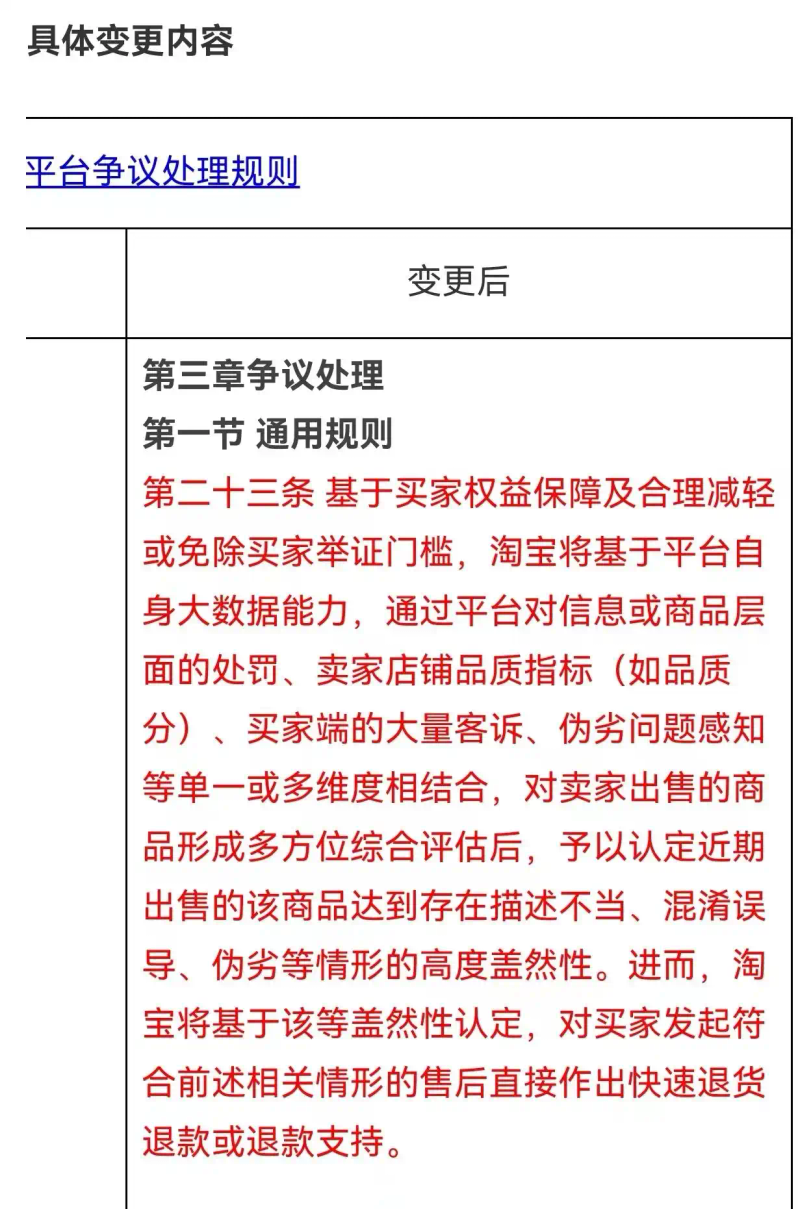
Source: public notices on change of procedures for dealing with disputes at the scavenger platform
It appears from the document that the updated “quick refund or refund support” service is based mainly on the logic of “graceability” (possibly, but not necessarily). Based on large data, the platform will conduct a comprehensive assessment of the seller's commodities and will judge accordingly。
For example, the more hypocritical a commodity has been in the past, the more likely it is to be “highly veiled”; when a new buyer offers post-sales service because of the hypocritical nature of the commodity, the commodity may be “quick refunded or (only) refunded”. It's not the same
Like letters, big data will record treasure-seeking goods. The worse the record, the easier it is to be “refunded only”。
In the morning, a treasure hunter revealed to the watcher network that the adjustment was not a simple “one-size-fits-all”. Based on past records, the platform conducts multi-dimensional visits to sellers' commodities and shops through algorithms; moreover, if the buyers' “refunds only” are too frequent, they are also identified by large data — part of which will be further screened by the platform。
As a post-sale mechanism, “refunds only” are becoming more widespread in the electricity industry。
According to the above-mentioned news, in september this year, the shivering electrician updated the “refund-only” rule in the commercial after-sale service management code: the shivering dealer “has a good value of less than 70 per cent for the goods, and the platform has the right to apply for measures to support consumers in paying back only, refunding the freight, and restoring the good value of the goods to more than 70 per cent for seven days in a row”
The “refund alone” has its charms, such as being better able to defend the buyer's interests and reducing the time cost of defending rights. When a consumer initiates a “refund alone”, the system automatically initiates a refund if the business does not operate for a certain period of time; but the electrical platform is not fully known, and the “refund alone” inevitably has some limitations, and abuse of the rule by the “sweety party” can also harm the business interests and provoke conflict。
In contact with a number of businesses, the network of observers found that there were many speculations that the “refund alone” amounts would not normally be very high as the rules were updated. Across the industry, refund orders alone are mostly in the range of $10-30, with a peak of around 50. The platform limits the amount of “refunds only” and, to some extent, also drives the wool party。
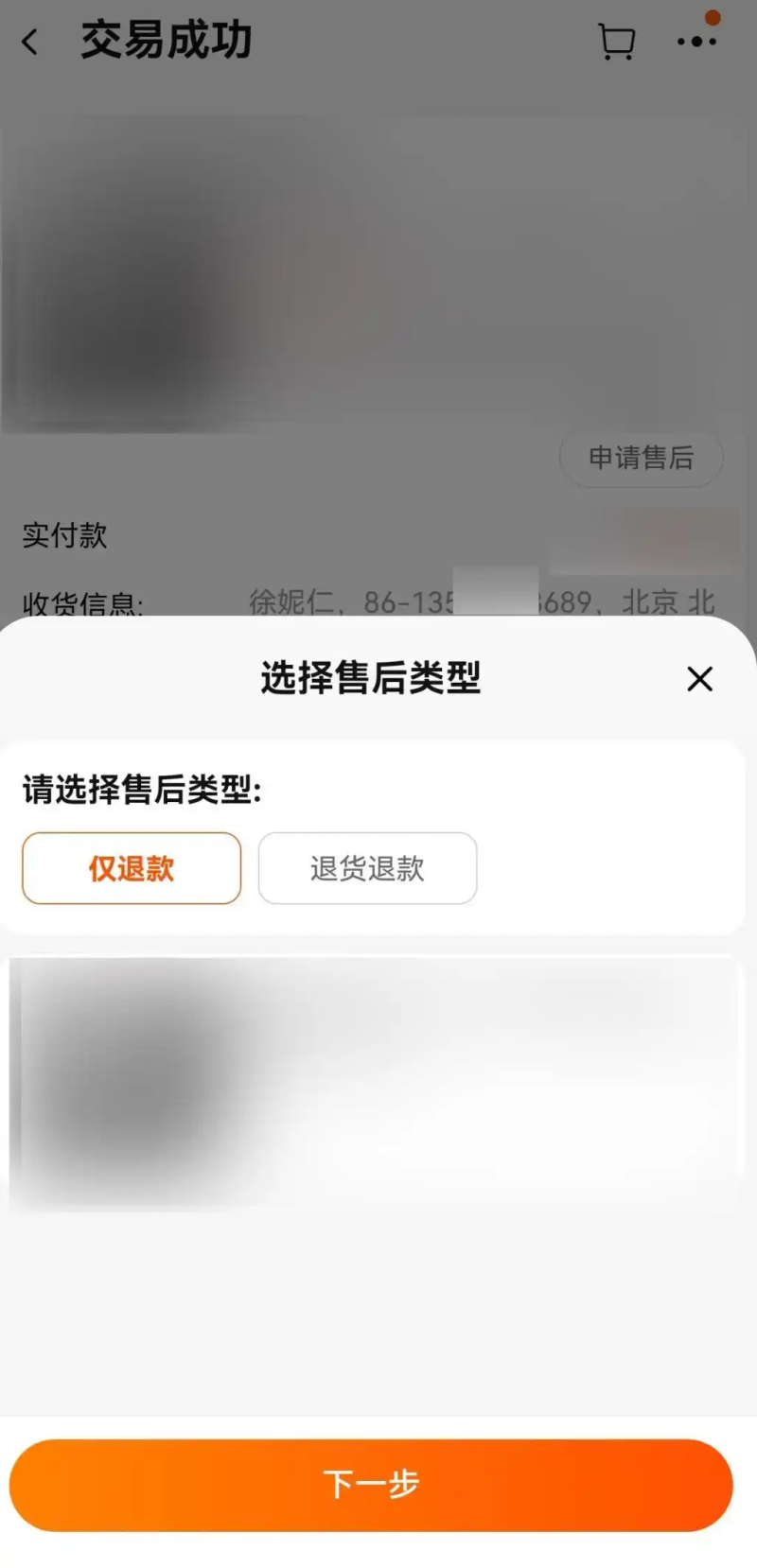
Treasureapp screenshot
In reality, “refunds only” do not apply only to manufactured goods of the shelf electrician category. In the field of freshness, many retail platforms have long allowed users to refund without returning goods. The “refund alone” had not been widespread in the past and might have been affected by other reasons。
For example, kyoto has its own customer service, which handles most of the trade disputes; well-documented users of the treasure cats have easy access to services such as “extreme refunds”; and experience such as the return of door-to-door pick-up may also affect market intelligence。
It is worth mentioning that, in addition to poking for treasures, kyoto has recently upgraded its “refund-only” service, expanding it to three-party resident businesses. This service model is expected to continue to improve, to become more scientific and rational, and to further balance buyers and sellers。