Photovoltaic power system hands-on training + reverse agent working principles + photovoltaic direct-flowing fail-management hands-on training + photovoltaic component fire response exercise + drone cleaning panels
Product type: hysj-gfgz02
Experimental purpose: to provide students with a three-dimensional, high-level simulation, an interactive, accessible, optical and practical training environment using virtual reality technology. To enable students to learn about the principles of photovoltaic power generation, the structure of the reversers and the maintenance of transport, to learn about the handling of photovoltaic failure through hands-on training and the handling of process voltage failure through hands-on training, to operate on their own initiative throughout the course, and to analyse and propose solutions to problems by showing them. Following the failure of the teacher's rear stage, the students' front end received the fail alert, filled out the overhaul operating tickets, worn protective gear and carrying tools to remove the drop-down end plugs, used a universal gauge to measure the cluster's seamless ground voltage, ran off the scene, measured each set of end-to-ground voltage and found the fault point; and quickly located the failure point, replaced the connection to the site and eliminated the failure; the equipment went back to normal。
Practical training standards: software is designed to enable students to work on their own and to develop hands-on practices so that they can learn not only theoretical knowledge but also practically address problems in photovoltaic operations. Vr hands-on training is not restricted by physical space, equipment, etc., so that students can develop new approaches to vr hands-on training, improve their professional expertise and innovation, and improve the quality and level of professional development。
Software version:
Pc version: client exe program needs to be installed。
Webgl version: no plugins are required to enter the web site using 360-speed browsers, firefox browsers and uc browsers。
Vr glasses: needed vr glasses, recommended htc vr pro; pc version: required to install the client exe。
I. Software modules:
(i) operational training for solar power systems
(ii) the working principles and structure of the reverse agent
(iii) practical training in optical design
(iv) physical training in light flow failure management
(v) practical training in fire response exercises for photovoltaic components
(vi) practical training in the cleaning of photovoltaic panels by drones
(vii) common malfunctions and their resolution
Ii. Introduction to optical fragmentation vr hands-on software functionality
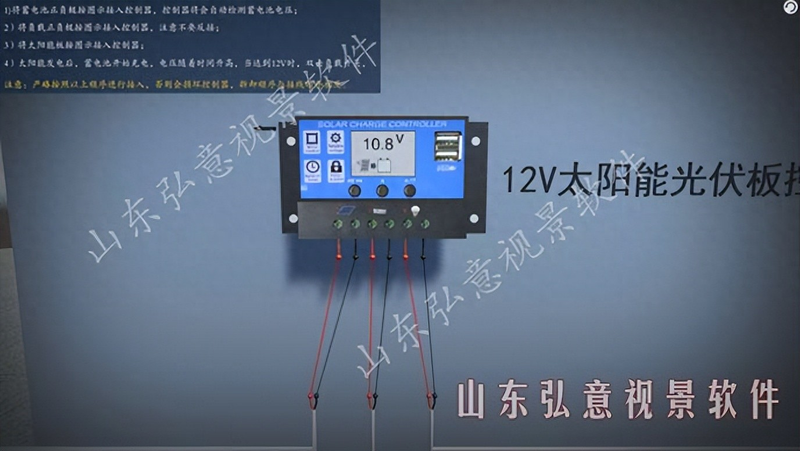
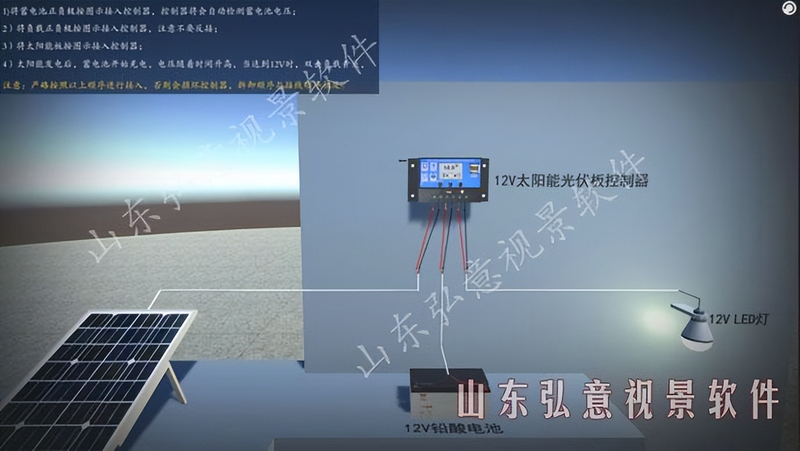
(i) operational training for solar power systems: students can connect independently and understand the principles of photovoltaic power generation
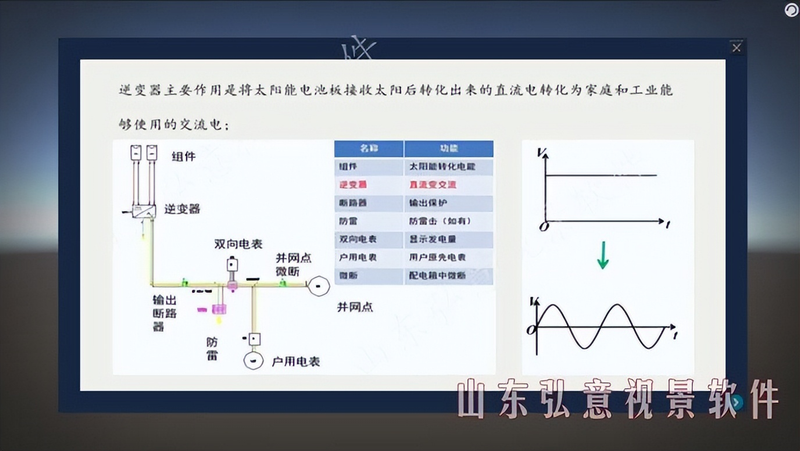
(ii) inverters:
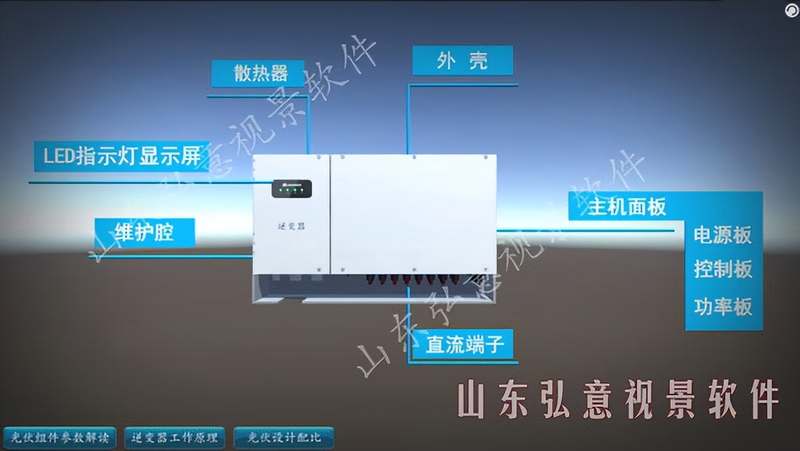
(iii) inverter structure composition:
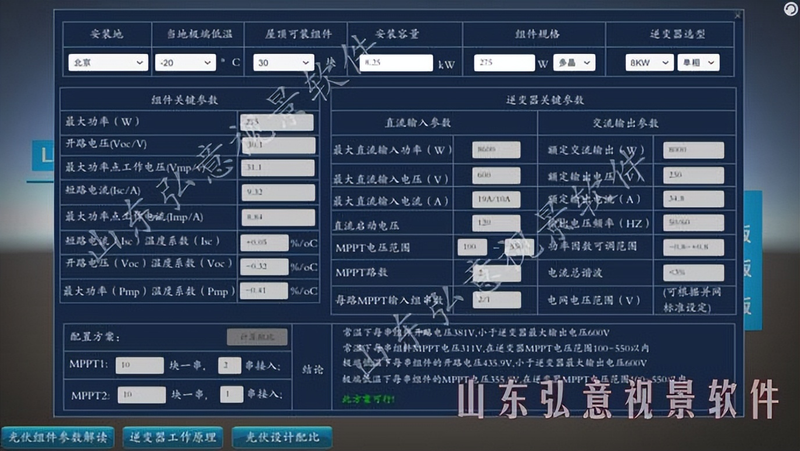
(iv) optical design ratio:
(v) practical training in fire response exercises:
5. 1: optical fire disposal process by hand
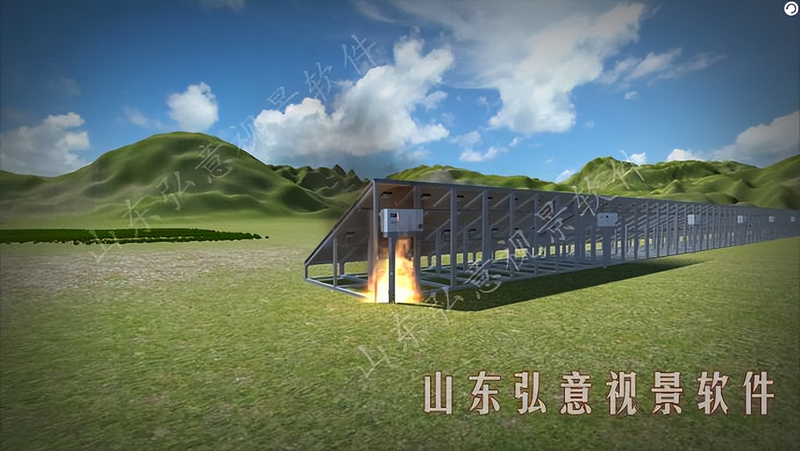
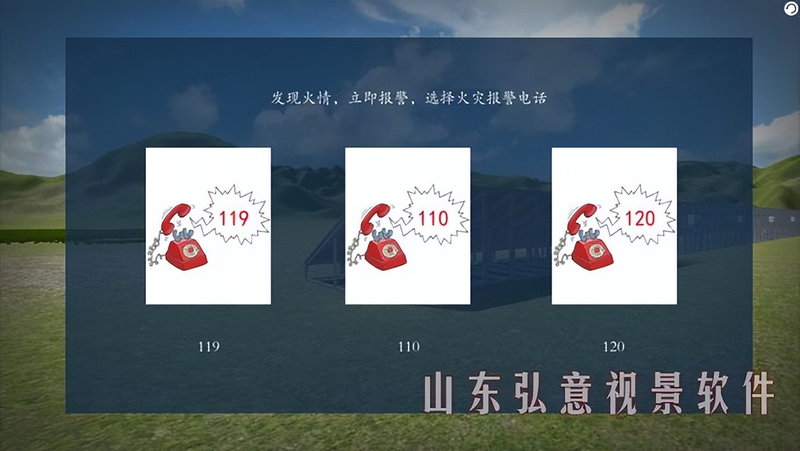
5. 2) call fire rescue telephones after fire
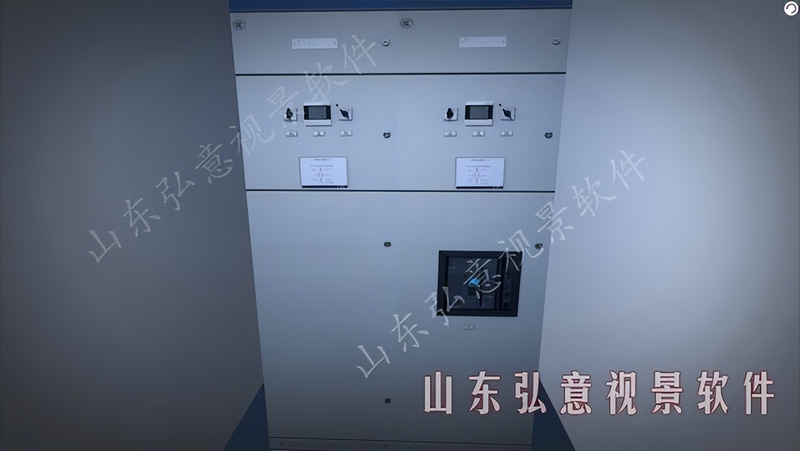
5. 3) to shut down low pressure switches and cut power
5. 4) select the type of fire bolt and lift it
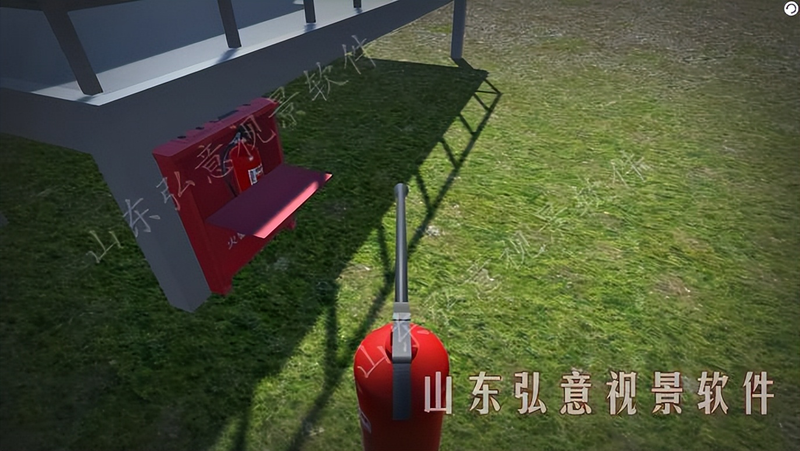
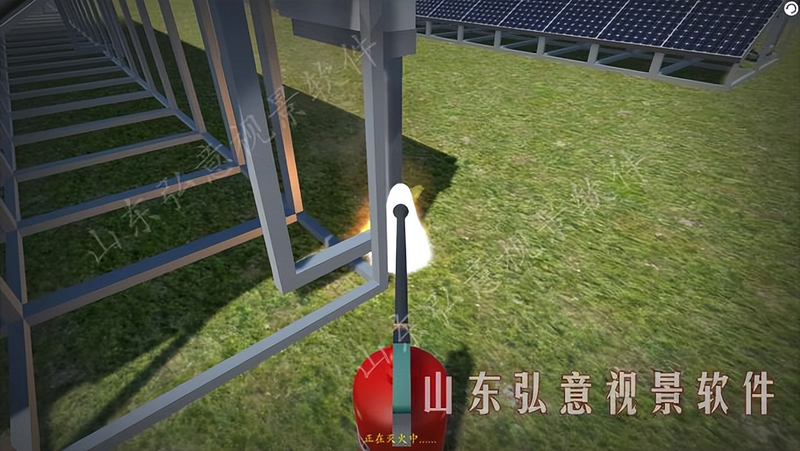
5. 5) autonomous fire suppression
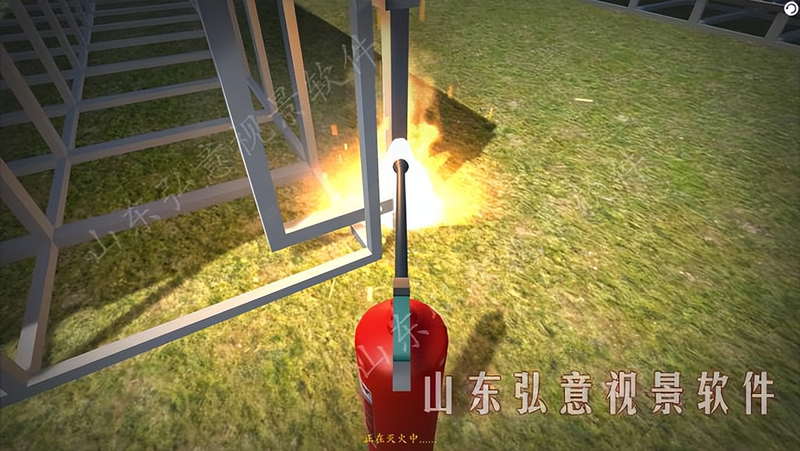
5. 6 when the fire has been extinguished, the fire bolts return to their positions
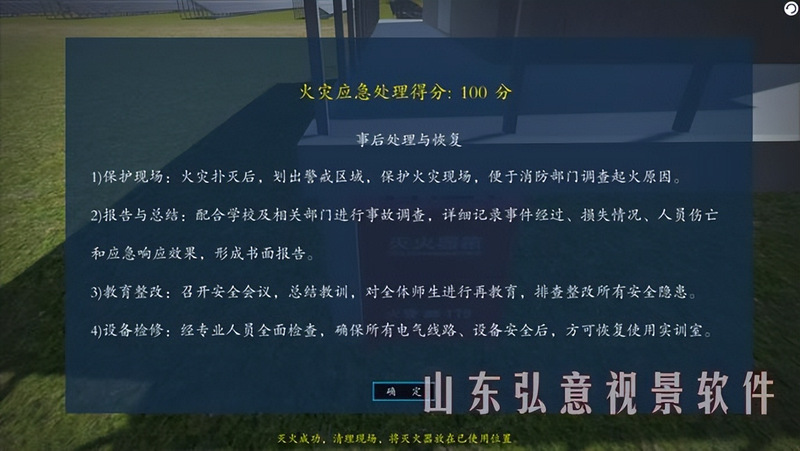
5. 7) system automatic rating, reading post-disaster treatment
(vi) uav clean-up pv content:
6. 1 to see the uav cleaning pv conditions
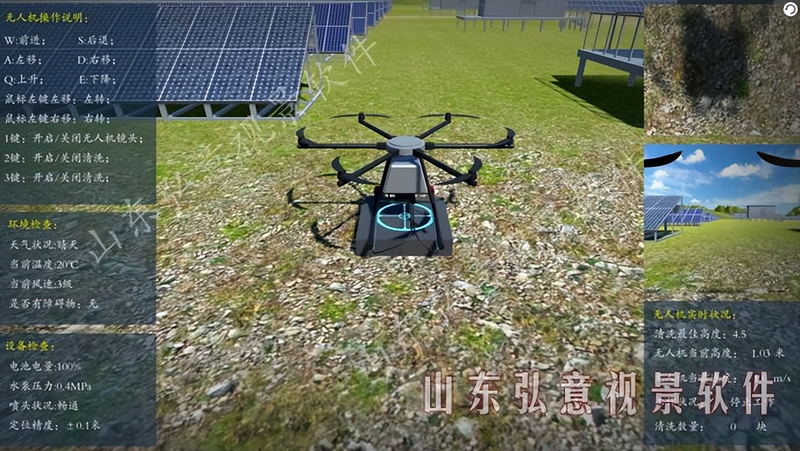
6. 2) operation of uav take-off
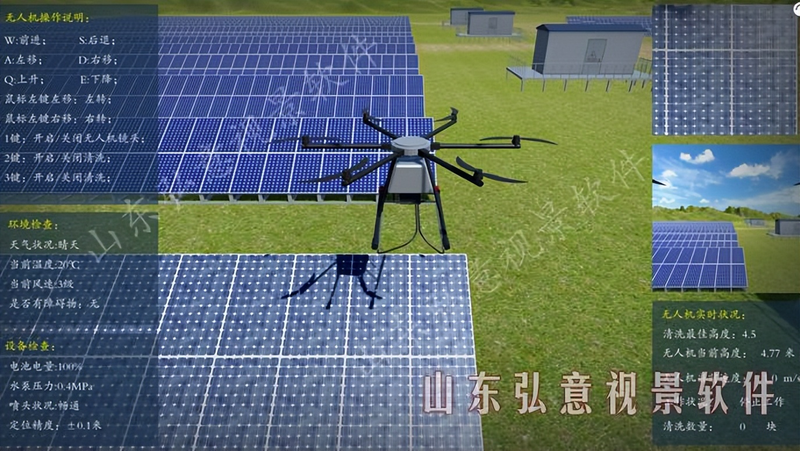
6. 3 uavs are flown over dusty volts for cleaning
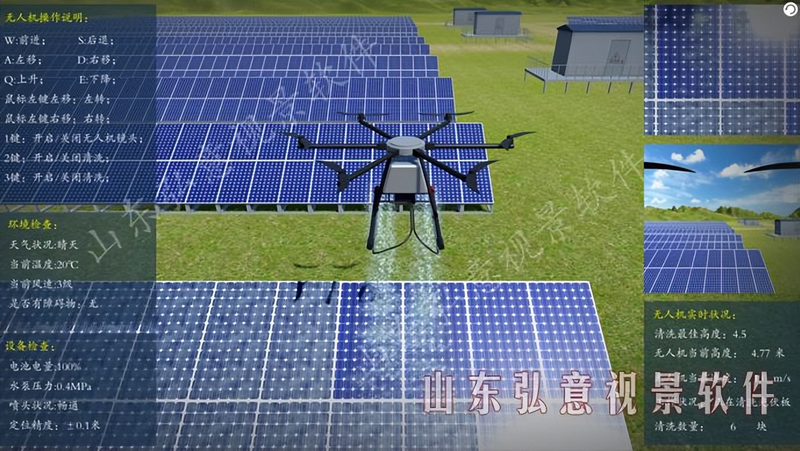
6. 4 upon completion of the clean-up, the autonomous operation of the drone returns
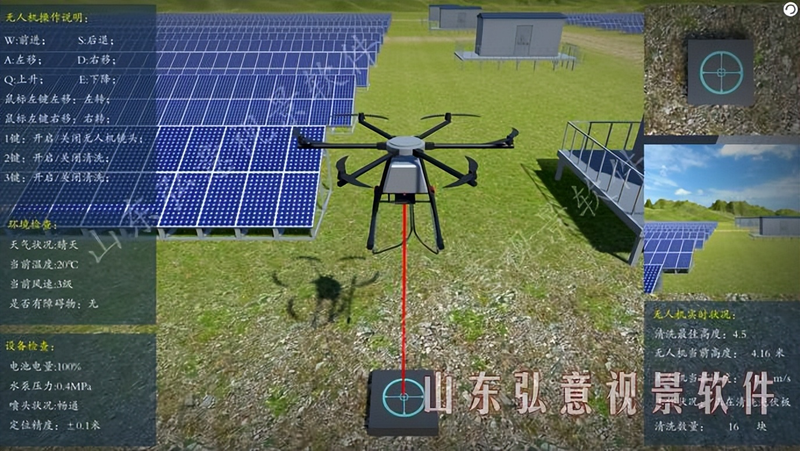
(vii) fragmentation content:
7. 1 the backstage installation of fault points
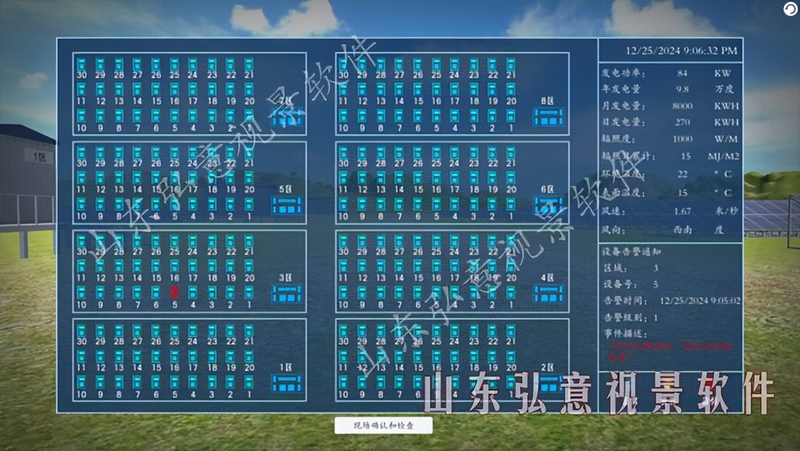
7. 2 backstage displays: reverse transformer shutdowns, field identification of failure points
7. 3) ai navigation function
7. 4 wearing protective gear and carrying maintenance tools
7. 5 in-situ leakage analysis: a map of the rationale for the location of the trough
7. 6) reporting mission: reverser reporting ground failure, filling in photo-cancellation control instructions
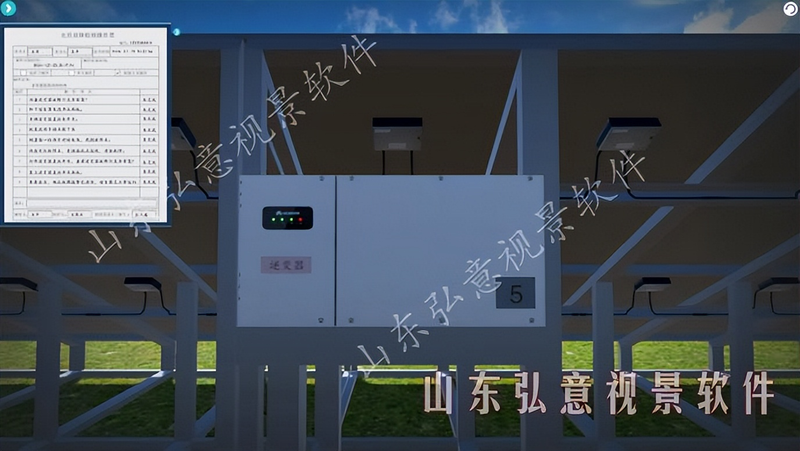
7. 7) on-site inspection: check if the reverser failure lights are constantly lit and reversers report ground failure
7. 8) unloading of reverse transformer straight-flow switches
7. 9) turns off direct current electric switches for reverse transformers
7. 10) remove the straight flow end plug
7. 11) on-site deregulation: measurement of the earth-to-ground voltage of each set of ends and identification of failure points
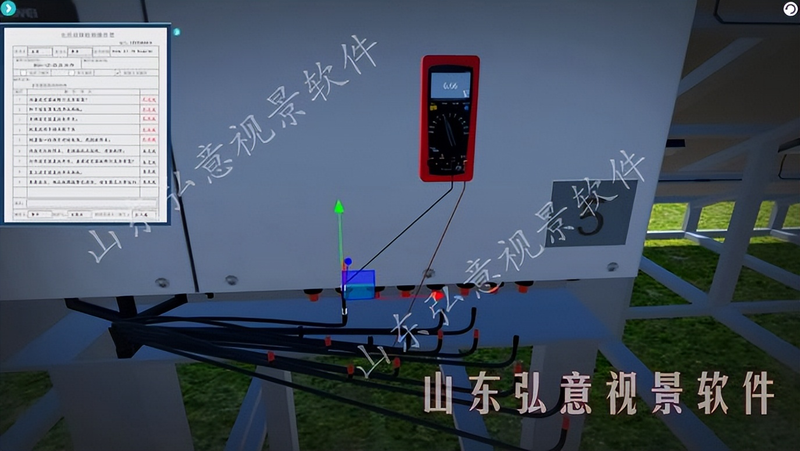
7. 12) identification of fault points, rapid location of fault points, replacement of interfaces and troubleshooting
7. 13) restoring operation: to open the reverse transient switch to see if the reverser failure light is constant
7. 14) placing reverse transformer straight-flow switches
7. 15) check the backstage to confirm that the failure alarm has been eliminated and that the reverse is functioning