As society develops and the people's standard of living improves, cars enter ordinary homes and change their lives, and while enjoying the convenience of cars, people are becoming more comfortable with them. Car air conditioners are now not only deployed in high-end cars, but also, as a standard, equipped with medium- and low-end cars, buses, trucks and even special cars. With the rapid development of new modern vehicle technologies, the structure and various types of equipment of the car air-conditioning system have become more sophisticated and the technical requirements for the maintenance of the car air-conditioning system have become increasingly high, making it necessary to have a complete understanding of the structure and principles of the car air-conditioning system prior to its repair and repair. This paper addresses the frequent malfunctions of the car air-conditioning system by analysing and diagnosing the structure and principles of the car air-conditioning system。
I. Technological development of car air conditioning
Since the birth of vac in the 1920s, vac technology has evolved with the diffusion of cars and the application of high-technology technologies. The technological development of car air conditioning has gone through five phases, from low to high, from single to multifunctional。
(1) phase 1, single heating: in 1925, the united states first used heaters to heat up car cooling fluids, and it was not until 1927 that there was a qualitative breakthrough in this single heating system, when the car heating system was initially equipped with the requisite prototypes for modern air conditioning structures such as heaters, blowers and air filters, which did not appear in europe until 1948. Currently, this single heating system is still in use in cold northern europe and northern asia
(2) phase ii, single refrigeration: in 1939, the united states general motor parker company installed mechanical coolers of cooling air conditioners on sedans, a single refrigeration system that existed in europe until 1957 and was introduced. This single refrigeration system is still being used in subtropical and tropical areas。
(3) phase iii, heating integration: in 1954, the united states general motors corporation installed heat integrated air conditioners in cars for the first time, enabling vehicle air conditioning to regulate temperature and humidity in cars. Currently, this heating integrated air-conditioning system is still in use in some medium- and low-end sedans。
(4) phase iv auto-controlled automobile air conditioning: in 1964, the united states general motors corporation installed auto-controlled car air conditioning on cars for the first time in 1964, which automatically regulated the temperature and air quality of vehicles through various sensor feedback. This auto-controlled car air conditioner did not appear in europe until 1972 and was installed in advanced cars。
(5) phase v, microphone control vehicle air conditioning: in 1977, the united states general motors corporation and the japan 50 bell motors corporation jointly studied the microcomputer-controlled car air conditioning system, which was successfully developed and installed on the vehicle in 1977. This microcomputer-controlled automobile air conditioning system has digital displays, three combinations of cold-heating ventilation, self-diagnosing systems, implementer self-censorship, data flow transmission, etc., and has greatly improved the stability and comfort of car air conditioning. Currently, such micro-machine-controlled car air conditioning is usually installed in luxury cars。
Ii. Characteristics of car air conditioning
(1) installation of car air conditioners: automobile air conditioners are installed on the vehicle, which are subject to intense and frequent vibrations and shocks during their travel, and the plumbing connection is easily relaxed, which makes them vulnerable to refrigerant leaks。
(2) automobile ac power: usually ac power is derived from motor engines, and ac systems affect motor motor power and economy, resulting in a 10 ~12% reduction in engine output power and an average 10 ~20% increase in fuel consumption。
(3) automobile air-conditioning heating: automobile air-conditioning is generally provided in two ways, one using motor cooling fluids and the other using electronic heating devices。
(4) automobile air-conditioning has a strong cooling, heating capacity: due to the high density of its members in the summer and the amount of heat required for the human body in winter, the refrigeration and heating capacity of car air-conditioning is also relatively high。
(5) automobile air-conditioning systems are affected by the vehicle's own structure: the limited shape and location of parts and installations of the car's air-conditioning system, combined with the tight structure of the car itself, has caused many inconveniences to the repair of the car's air-conditioning system。
(6) the condition of the car air-conditioning system is affected by the motor engine, which is affected by the large movement of refrigerants and frequent changes in engine conditions。
Main structure of the car air conditioning system
1. Compressors
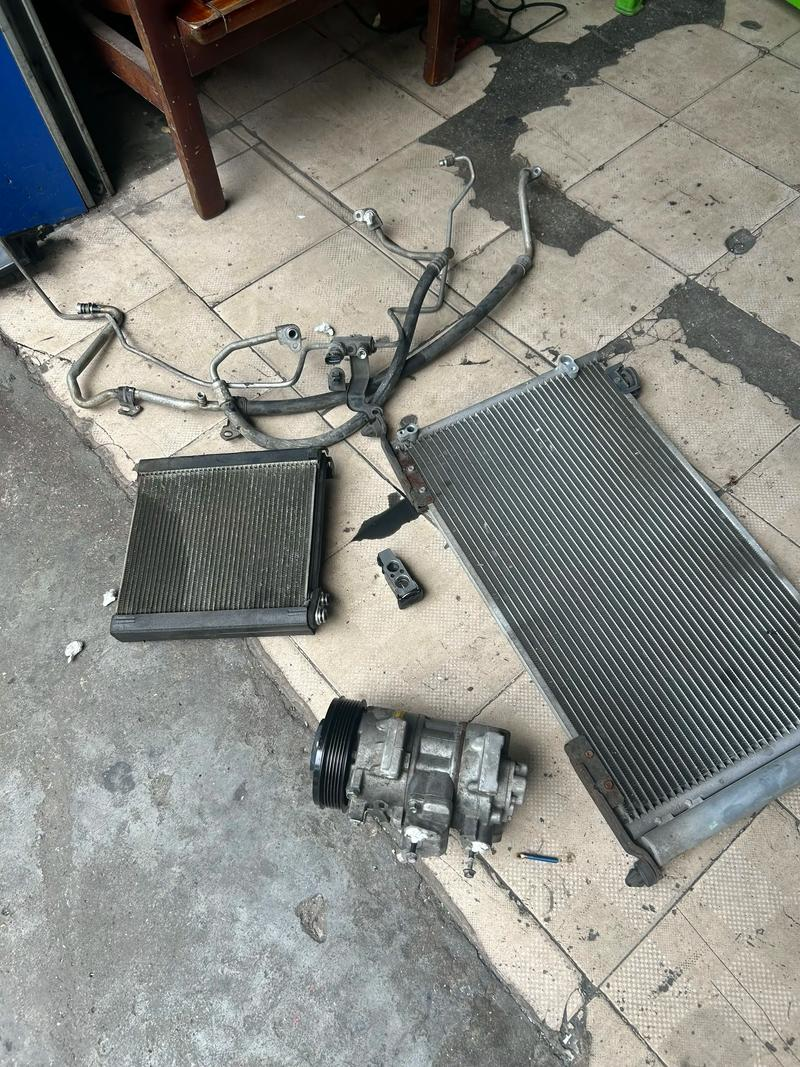
Automobile ac compressors are the heart of the car refrigeration system, which maintains the circular flow of refrigerants in the car ac system as they heat up and pressurize low-temperature and low-pressure gas refrigerants, making refrigerants larger than atmospheric temperature and pressure outside the condenser and ultimately heat them into liquid refrigerants. Automobile air-conditioning compressors work in a manner similar to that of ordinary air compressors, which, depending on the mode of work, can usually be divided into a back-to-back and a rotational pattern, with the usual back-to-back compressors having a curved pole and axle piston, and the usual rotary compressor having a rotary leaf and vortex。
2. Erosion valves
The expansion valve is an important component of a vehicle's air-conditioning refrigeration system that converts a liquid refrigerant into a mist refrigerant with the effect of voltage-relief, regulation and control of traffic. Commonly used expansion valves include internal equilibrium thermal expansion valves, external equilibrium thermal expansion valves and type h expansion valves。
3. Evaporaters
The evaporater is a heat-replacement device, which is a direct wind-cooled structure with a similar shape to a condenser. When working in the ac refrigeration system, it absorbs heat around the air of the evaporation unit and lowers the temperature in the vehicle, while turning low pressure aerosol refrigerants into low-pressure gas refrigerants, allowing them to continue to circulate in compressors。
4. Hot water valves
The hot water valve is installed in a pipe between the engine and the heater and is a hot water pipe used to control the heater. Depending on the mode of control, the hot water valves can usually be divided into two types: a zipper control valve and a medium control control valve
5. Condensers
Condensers consist mainly of pipes, frames and dispersors, usually installed in the front, side or bottom of the vehicle, whose main function is to condensate high-temperature high-pressure gas refrigerants out of the compressor into high-temperature high-voltage liquid refrigerants, with the usual condensers having both piping and piping patterns。
Six, a condensed fan
A condensed fan is a device to help the condenser with heat dissipation, which is installed on the condenser, which produces a current with an electric drive, and when the inner fan is electrified, it is transformed into a natural wind and thus cools。
7. Liquid dryers
The liquid dryer, fully known as the liquid dry filter, is installed between the condenser and the swelling valve, and has the role of storing refrigerants, water in dry refrigerants and filtering impurities in refrigerants。
Iv. Working principles for car air conditioning
1. The working principles of car air-conditioning refrigeration systems
In the case of motor-driven air-conditioning compressors, when the car air-conditioning system works, low-temperature low-pressure gas refrigerants from evaporating units are compressed into high-temperature high-pressure gas refrigerants (at about 70°c). High-temperature high-pressure gas refrigerants are released into the compressor and, following condensation from the condenser, high-temperature high-pressure gas refrigerants are transformed into high-temperature high-pressure liquid refrigerants (at about 50°c temperature). When high-temperature, high-pressure liquid refrigerants enter the expansion valve, the pressure and temperature drop sharply, but the volume increases and the final refrigerant enters the evaporation unit in the form of fog. Once the aerosol refrigerant enters the evaporation unit, the aerosol refrigerant quickly evaporates into the gaseous refrigerant because its boiling point is below the temperature in the evaporation unit. In the process of evaporation, the absorption of large amounts of heat on the evaporation unit surface caused a sharp drop in the temperature of the evaporation unit surface, and eventually caused low-temperature and low-pressure gas refrigerants to enter the air-conditioning compressor for the next air-conditioning refrigeration cycle。
2. The operation of car ac heating systems
The cooling fluid temperature of the engine reached 80°c at the time of the operation of the car ac heating system, at which time the main valve for the thermostat in the cooling system had been opened, resulting in a large cycle of the cooling fluid. There is a hot water valve between the heater and the heater that needs to be opened when heating is required, so that the hot water flow from the engine water kit follows the main heater valve, partly to the heating system, and partly to the radiator. Hot water entering the radiator sends heat to the surrounding air, and fresh air inside or outside the car passes through the heater, and cold air becomes thermal air, which is transported into the vehicle through different vents of the vent. The cooling water flowing from the heater, which is pumped into the engine's pool, completes a heating cycle。
V. Disorder diagnosis and analysis of car air conditioners
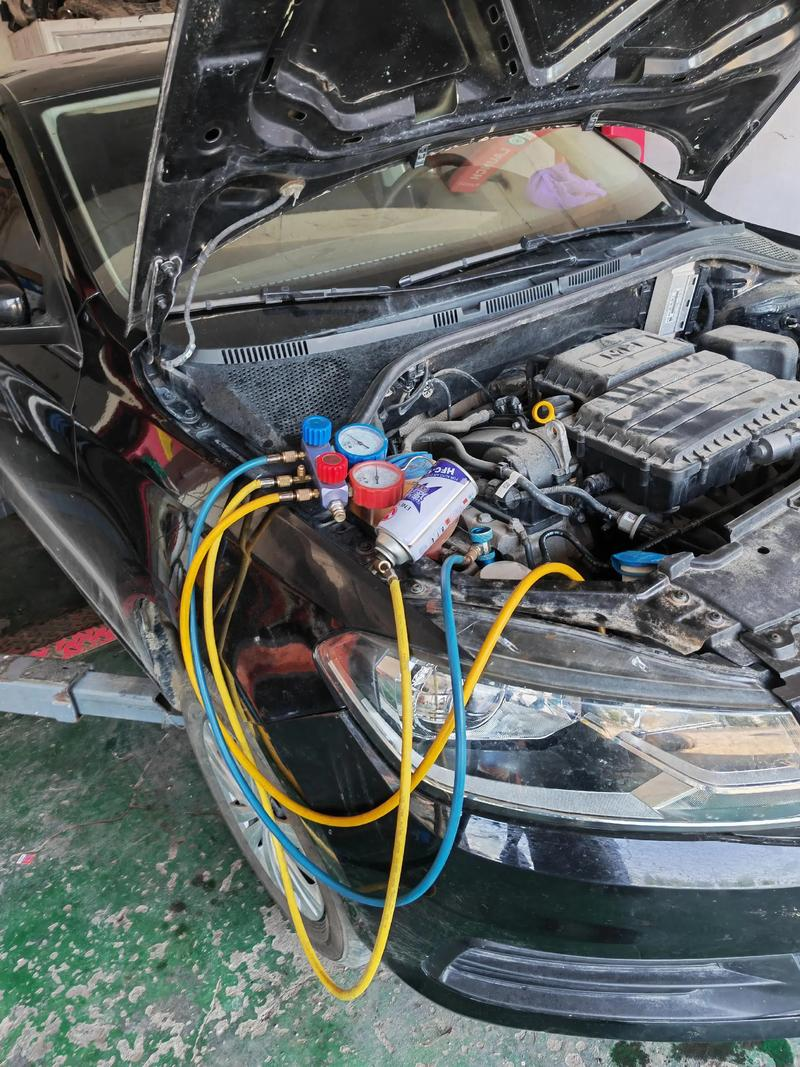
Basic tools for auto air conditioner overhaul: temperature gauges, humidity gauges, maintenance of specialized equipment sets (including dyslexic pressure gauge groups, leak testers, refrigerant tank injection valves, refrigerant pipe cutters, piping and extension tools, etc.), vacuum pumps, refrigerant injection valves, specialized valves for air conditioning system repairs, leak detector, etc。
General diagnostic methods for car air conditioning
Observation method: diagnosing car air conditioning systems allows for the movement of refrigerants in dry filters and, if there is a bubble in the liquid refrigerant, indicates that the refrigerant is insufficient, the refrigerant needs to be added to the appropriate quantity. If the mirror is transparent, this means that the refrigerant is over-added and that excess refrigerants need to be released to the appropriate level. If a small amount of bubbles is occasionally visible in the mirror, this indicates the refrigerant suitability。
Hearing method: diagnosing car air conditioning systems can hear the acoustics of air conditioning systems through ears and determine the location where the acoustics occur. The noise of the air conditioner compressor indicates that the ac compressor's magnetic ionosphere is ageing, resulting in insufficient electromagnetic power, too wide a range of wear and tear on the ensemble, or is caused by the inappropriate easing of the ac compressor belt. If the compressor is able to hear a hydraulic sound during operation, this means that the refrigerant has been added too much, it needs to be released to the appropriate quantity, or the swelling valve has been extended。
Instrument diagnostics: diagnosis of car air-conditioning systems. Refrigerants can be checked for leakage at the interfaces of air-conditioning systems。
Pressure diagnosis: automobile air-conditioning systems can be diagnosed with a monopolistic pressure table attached to each of the filling valves, which can then open the wind speed switch to the highest level, and maintain engine speeds of 2000r/min, if the pressure at the high pressure end is between 1. 30 and 1. 60 mpa and the pressure at the low pressure end is between 0. 115 and 0. 22 mpa, indicating that the air-conditioning system is normal and vice versa。
Vi. Common breakdowns in car air conditioning
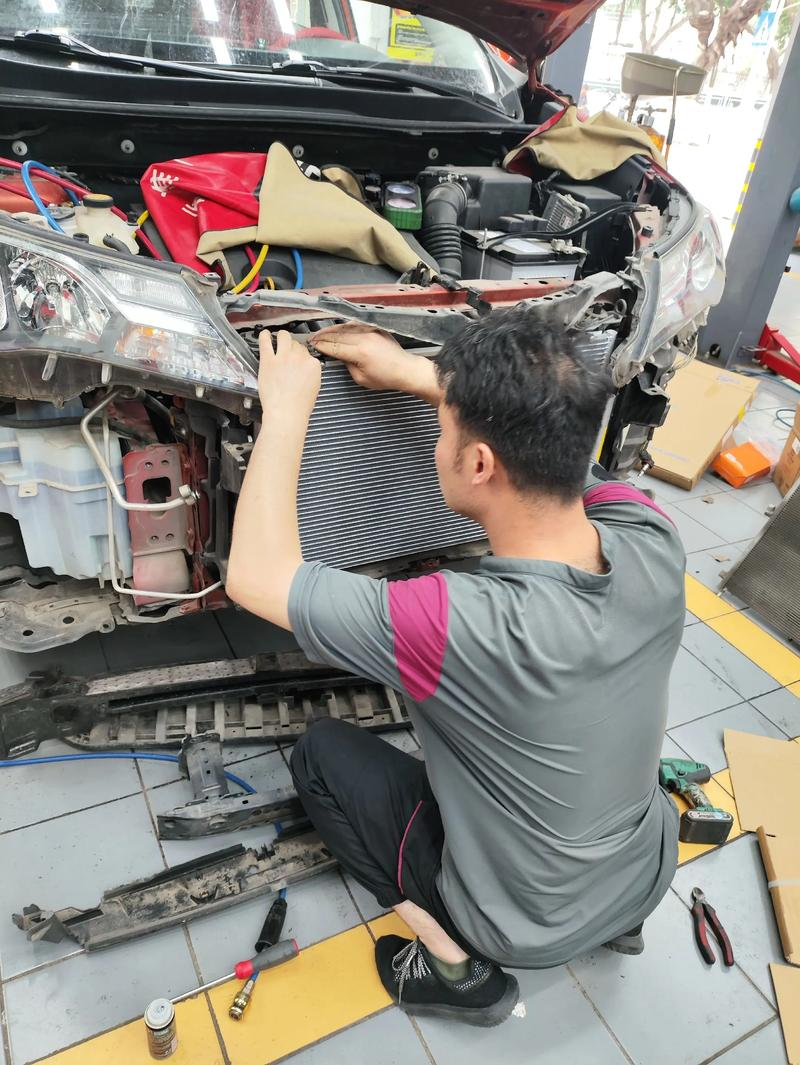
1. Fault phenomena: toyota carlora operating air conditioners, air conditioning systems are not working and air conditioning compressors are not adsorbed。
Case analysis: refrigerant leakage
Method of overhaul: check the interface of the air conditioner system pipe, identify the spare parts of the leaking refrigerant, replace the damaged spare parts, then empty the car air conditioner system, pressurize it to the standard air-conditioning pressure of the car, post it for a period of time, determine the air-conditioning system's air-conservation by observing the change in the number of expressions of the disciplining tube, determine that the car air-conditioning system is not leaked, and insert the refrigerant at the charge level required by the car air-conditioning system, and the failure is resolved。
Disorders: mass santana air conditioners, air conditioning systems are non-refrigerated, air conditioning compressors are adhesive, but the pressure pressure remains unchanged and the pressure is too low。
Case analysis: the expansion valve is blocked and the refrigerant cannot be recycled。
Method of overhaul: replace the expansion valve and then empty the air-conditioning system, pressurize to the standard air-conditioning pressure of the car, post it for a period of time, determine the air-conditioning system's air-conservation by observing changes in the number of expressions of the disciplining, determine that the car air-conditioning system is free of leakage, and add the refrigerant to the charge required by the car air-conditioning system, so that failure is eliminated。
3. Fault phenomena: honda fly-off air conditioners, air conditioning systems are poorly cooled and high pressure and low pressure pressure are high。
Case analysis: air-conditioning compressor lubricant overfilled or refrigerant overfilled。
Method of overhaul: recovery of additional air-conditioning compressor lubricant or excess refrigerants to the appropriate level, followed by extraction of air-conditioning systems, pressure to the standard air pressure of car air conditioning, placement for a certain period of time, determination of air-conditioning systems ' confidentiality by observation of changes in the number of expressionals, and determination that no leaks in the car air-conditioning system will eliminate the malfunction。
4. Faults: daily air conditioning is open and the air conditioning system is working normally, but after a period of work, the cooling is not working well and pressure and pressure pressure is low。
Case analysis: minor leakage of refrigerant at the ac pipe interface。
Method of overhaul: re-heavy the interfaces of the pipes and then empty the air conditioners system, pressurize it to the standard air-conditioning pressure of the car, post it for a period of time, determine the air-conditioning system's air confidentiality by observing the change in the number of expressions of the different tubes, determine that no leak in the car air-conditioning system, and re-inflate the coolant with the charger required by the car air-conditioning system, so that failure is eliminated。
5. Disorders: mass high-speed air conditioning, poor cooling of air-conditioning systems, high vent temperatures, high pressure pressure, and air-conditioning compressors with impact。
Case analysis: damage to expansion valve。
Method of overhaul: replace the expansion valve and then empty the air-conditioning system, pressurize to the standard air-conditioning pressure of the car, post it for a period of time, determine the air-conditioning system's air-conservation by observing changes in the number of expressions of the disciplining, determine that the car air-conditioning system is free of leakage, and add the refrigerant to the charge required by the car air-conditioning system, so that failure is eliminated。
6. Faults: bekjunway operates air conditioners, air conditioning systems are high, low pressure pressure is high and compressor vents are too hot。
Case analysis: air mixed in air-conditioning system tubes。
Method of repair: recycle air conditioner refrigerants, then empty air conditioner systems, pressurize to car air conditioner standards, post-place for a period of time, determine the air-conditioning system's air-conservation by observing changes in the number of indications of a mantra, determine that no leak in the car air-conditioning system, and add to the refrigerant the amount of charge required by the car air-conditioning system, and the failure is eliminated。
7 fault: bmw 730li is heating and air conditioning systems are not heating。
Case analysis: hot water valve damage。
Method of overhaul: replace the hot water valves so that failure is eliminated。
8: incidence: benz s500 for heating and low heating of air conditioning systems。
Case analysis: thermostat damage or thermostat removal。
Method of overhaul: check the use of thermostats or re-install them。
Summary
With the rapid growth of our automobile industry, the car-air-conditioning level has improved the car environment and the comfort of the car. With the improvement of the car air conditioning system, the technical requirements for the maintenance of car air conditioning personnel have become increasingly demanding. This paper provides a systematic presentation of the structure, working principles and repair methods of the ac system, including the technological development and basic knowledge of ac systems, as well as the composition and rationale of refrigeration systems, heating systems and, hopefully, the learning of ac maintenance personnel who are working on common ac failures。