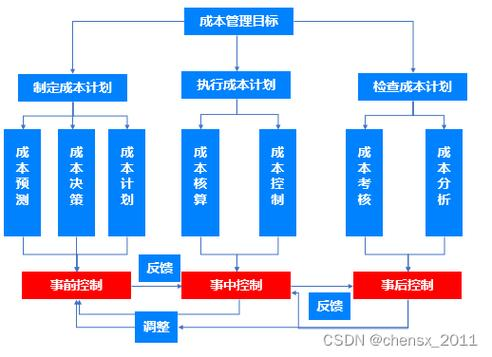
The first chapter of the cost-control system for environmental engineering projects is intended to effectively control the cost of environmental engineering projects, promote the rational use of resources, ensure the economic and sustainable nature of projects and develop the cost-control system in accordance with national regulations and industry standards. Environmental engineering projects involve multiple components, including planning, design, construction and operation, and cost control throughout the project cycle is an important safeguard for the achievement of project objectives. The objectives of chapter ii and the scope of application of the system are to regulate the cost-control process for environmental engineering projects, ensure that costs meet budgetary requirements, reduce waste of resources and improve the efficiency of project management. The scope of application covers all phases of an environmental engineering project, including project formulation, design, construction, acceptance and later operational maintenance. All departments and personnel involved in the project are subject to the system. The basic principles of cost control in chapter iii should be the following in implementing cost control: 1. Scientific: analysis and forecasting of project costs using scientific methods and tools to ensure the effectiveness of control measures. 2. Transparency: costs should be open and transparent, ensuring that relevant parties are kept informed about costs and that they are easily monitored and managed. 3. Adaptability: flexibility in adapting control strategies to project progress and realities to ensure alignment of cost control with project objectives. Overall: cost control should cover all phases of the project and ensure that clear cost control measures are in place throughout the entire process from project formulation to late operation. Chapter iv, cost control, standard 1. Cost budgeting is established during the project start-up phase, and the project management team is required to develop a detailed cost budget, including procurement of resources, construction costs, labour costs, etc., based on project characteristics and market conditions. The budget shall be subject to review by the relevant department to ensure reasonableness and operability. 2. Cost control responsibilities are assigned to the project manager and the project management team members should clarify their respective responsibilities and ensure that cost control measures are implemented. Departments should regularly report on cost implementation and provide timely feedback on issues and recommendations. 3. Cost monitoring and analysis regularly monitor and analyse project costs, use financial software or other tools to record actual expenditure and budget variances, identify reasons for overexpenditure and propose improvements. The project management team is required to conduct a cost review at the end of each phase, draw lessons and inform subsequent projects. 4. Cost change management in project implementation requires a rigorous approval process to clarify the reasons for the change and its impact on the overall cost of the project and to update the budget document in a timely manner to ensure that all parties concerned are aware of the change. Chapter v: operational process 1. The project development phase is in the project development phase, and the project team is required to conduct preliminary market research and cost estimates, prepare an initial budget and submit it to management for review. Following the review, the project was formally established and entered into a detailed design phase. During the design phase, a cost analysis of the project design programme is required to ensure the economy and feasibility of the design programme. Design changes need to be fed back to the project manager in a timely manner and the related budget updated. 3. During the construction phase, the project manager is required to hold regular cost-control meetings to assess the matching of construction schedule with cost and to take effective measures to control construction costs and reduce waste of resources. 4. At the receiving and inspection stage of the project, a summary and analysis of actual expenditures is required to confirm whether the project costs are within budget and form the final cost report. After the operational maintenance phase project is delivered, the operational team will continue to monitor maintenance costs to ensure the economic and sustainable nature of the later operation. Periodic reporting on maintenance costs provides a basis for future projects. Chapter vi oversight mechanisms establish the following to ensure the effective implementation of cost control systems: following the completion of each project phase of regular audits, internal audits are conducted to check the authenticity and compliance of cost records to ensure that there are no irregularities. 2. Feedback creates feedback mechanisms that encourage project team members to advise and advise on cost control, adjust cost control measures in a timely manner and ensure that the system is applied and effective. Performance appraisals incorporate project cost control into the performance appraisal indicators of the project team, incentivizing team members to participate actively in the cost control exercise and to improve overall project management. Chapter vii by-laws, which are interpreted by the project management office, are implemented from the date of issuance. Project teams should develop implementation rules to ensure effective cost control, as required by the system, taking into account the actual situation. The system will be regularly revised to adapt to changing environmental and market conditions, based on project practice experience and management needs. By establishing a comprehensive cost-control system, environmental engineering projects can maximize economic benefits while safeguarding environmental benefits and contribute to sustainable development。