The effectiveness of recruitment means that the organization optimizes the recruitment process by using its decision-making, organizational and coordination functions in the recruitment process, rationalizes the various resource elements of the recruitment process and improves the efficiency and level of recruitment management, thereby maximizing recruitment objectives through “effective management”。
At present, however, most enterprises do not adequately account for and assess the impact of recruitment results, or are even unaware of the assessment and summary of recruitment results, and managers in many corporate functions are less aware of how to evaluate the effectiveness of recruitment. Some managers only care about how many people are recruited, others about how much time and how much they spend on recruitment, or about whether new employees like jobs here for some time. The evaluation of the effectiveness of recruitment was ignored。
Recruiting results — the way in which recruitment is evaluated
For example, in december 2006, the human resources department of an it company carried out a survey of employers ' needs, which resulted in 35 job requirements, published recruitment information through the china network of excellence and local newspapers, received 520 cvs, screened through cvs, selected 210 job-seekers for written examinations on a scale of 6:1, selected 105 job-seekers for interviews and psychological tests on a scale of 3:1, and received 29 qualified job-seekers over a 25-day period, but only 24 job-seekers finally reported to the company and signed a labour contract, and the 24 new staff members received 23 excellent and 1 good performance evaluations at the end of 2007。
Analysis: the organization's operations require a certain amount of human resources as a guarantee, while the organization conducts the recruitment process precisely because of gaps in posts or the need to achieve a certain turnover of resources. Thus, the most immediate measure of the effectiveness of organizational recruitment is the number and timeliness of vacant posts, the matching of newly recruited staff with the organization and positions, etc. It is generally believed that the fewer jobs in the organization are filled, the more timely the vacancies are filled, the more effective the newly recruited staff are matched with the positions, cultures and systems of the organization. Specifically, the effectiveness of recruitment could be evaluated by examining the following indicators。
Recruitment completion ratio: recruitment completion ratio = 100 per cent of recruitments/planned recruitments x. If the recruitment ratio is equal to or greater than 100 per cent, this indicates that the recruitment plan has been fully completed or exceeded in quantitative terms。
Recruitment completion time: time between vacancy and filling. Generally, the shorter the time, the better the job。
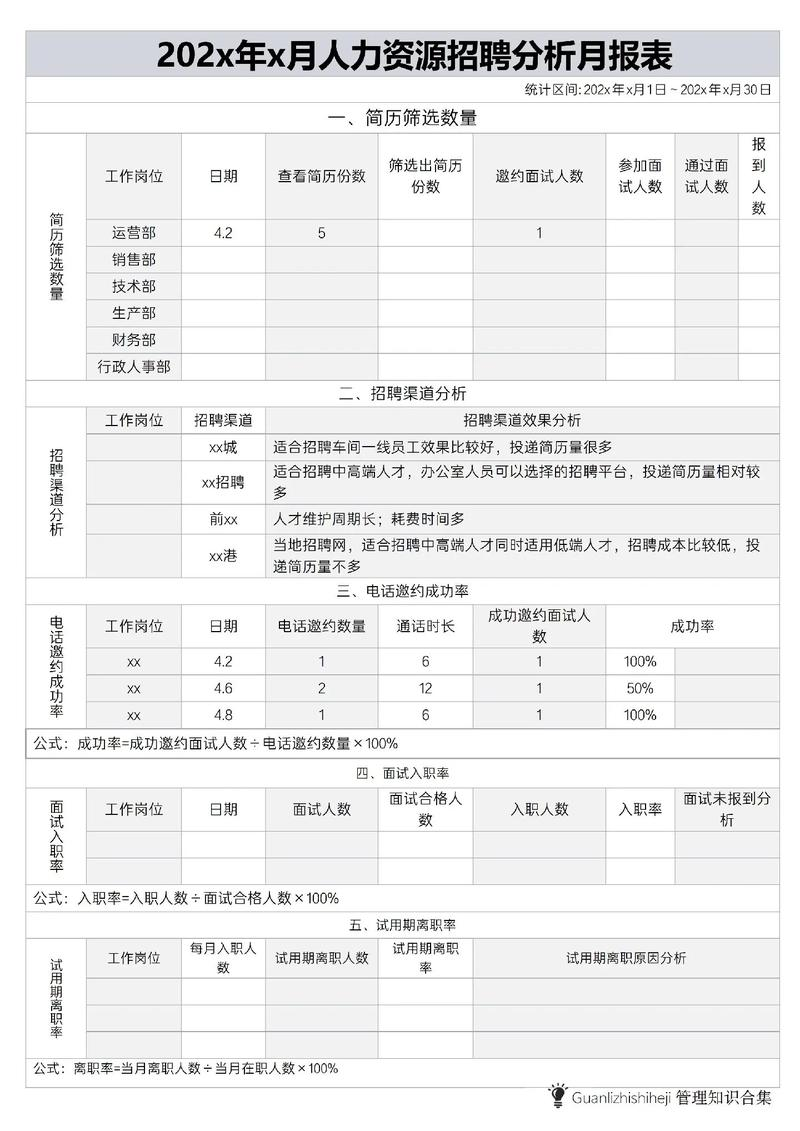
Application ratio: application = 100 per cent of number of candidates/planned recruitments. The higher the recruitment rate, the better it will be, the more effective it will be to publish information on recruitment, and the more highly qualified the staff may be。
Ratio of recruitment: number of admissions = 100 per cent of admissions/recruitments x. The smaller the ratio, the higher the qualifications of the recruiter, and, conversely, the lower the qualifications of the recruiter。
Recruitment = number of qualified staff/actually recruited. (a) the inclusion of absolute indicators of the effectiveness of current recruitment, the size of which reflects the correct level of recruitment;
Base ratio = pre-existing competent staff/total number, reflecting absolute indicators of the effectiveness of previous recruitment. The difference between the eligibility and base ratios for recruitment reflects whether current recruitment effectiveness is higher than the average of previous recruitment effectiveness, i. E., whether recruitment effectiveness is gradually improving. #p#page title #e#
Recruitment costs — ability of companies to bear their burdens
In order to enhance sales, huang yong began recruiting sales managers in march 2007, through a floor selection process, using written tests, interviews, character tests, and also inviting university professors to design a scenario interview process, which resulted in the selection of a qualified sales manager at a cost of nearly $20,000. The sales manager was also competent after taking office, but resigned six months later and took half of the company's clients, causing huge losses to the company。
Analysis: the recruitment of human resources is an economic act of the organization, necessarily incorporated into the organization's economic accounting, which requires the organization to apply the principle of value engineering, i. E. To meet the organization's needs at the lowest cost. As an economic act, recruitment costs should be included as a key element in evaluating the effectiveness of behaviour. The cost of the four main blocks should be taken into account: the first is the direct cost of recruitment, which refers primarily to a series of visible costs during the recruitment process; second is the replacement cost of recruitment, which primarily refers to the cost of having to be re-recruited due to inappropriate recruitment; third is the opportunity cost, which is the hidden cost of separation and the inability of new recruits to fully perform; fourth is the risk cost, which refers primarily to the loss of scarce talent or unwitting recruitment in an enterprise, resulting in unmet job recruitment targets and unnecessary costs and losses to the management of the enterprise. The benefits of recruitment are often not directly reflected, but are reflected in the contributions of the employees recruited to the enterprise. In general, the following indicators are commonly used: total cost utility = total number of recruits/recruitment costs; recruitment cost utility = number of candidates/recruitment period costs; cost-effectiveness of selection = cost of selection/selection period; effectiveness of recruitment = cost of official recruitment / recruitment period; gain-cost ratio = total value/total cost of recruitment for the organization by all new staff。
Information media and recruitment: the right thing is the best
As an example, wang is the hiring officer for gao new construction, which last year recruited more than 40 employees through networks, on-site recruitment and familiar referrals. At the end of the year, wang found, through a summary of the recruitment process, that one or two suitable candidates could be found for every 100 résumés on the internet, and that many did not really want to find a job, but only looked and were mostly clerical, managerial job-seekers; on-site recruitments have greater experience in civil engineering, and more job seekers are willing to seek jobs; the polarization is more evident among those recommended by acquaintances。
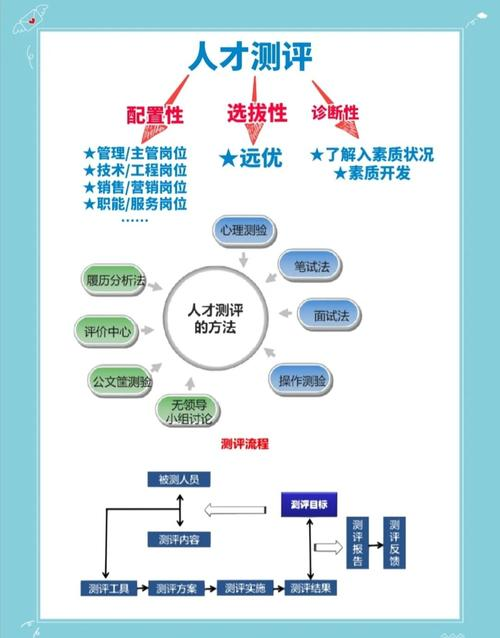
Analysis: at present, there are more recruitment channels in enterprises, such as the internet, newspapers, magazines, outdoor media, etc., for the distribution of information on recruitment, and the choice of field recruitment, online recruitment, talent hunting, referrals, internal selection etc. Different channels of information dissemination and recruitment methods show different efficiencies, for example, generally the following indicators can be considered。
Analysis of the effectiveness of recruitment media. A comparative analysis of recruitment results and recruitment costs for different recruitment channels is calculated separately, resulting in recruitment results for different recruitment channels. Different channels of information dissemination, coverage, number and structure of candidates attracted, etc.; for example, an analysis by a company of the recruitment media for mechanics found that recruitment through the network made it difficult to recruit suitable blue-collar workers, such as electricians, carpentry and machine-bed maintenance, while it was more effective through local newspapers and the outdoor media. #p#page title #e#
Analysis of the effectiveness of recruitment modalities. The results of recruitment and the cost of recruitment under different recruitment modalities are calculated to examine the effectiveness of recruitment under different recruitment modalities. In the actual recruitment process, these variables should be considered separately in the evaluation of differences between different recruitment channels, given the differences in the firm's trades, recruitment positions, recruitment areas and target audiences. As a result of the rapid development of the project, a real estate company has recruited project leaders on a long-term basis and has found that headhunters and acquaintances are recommended in a more satisfactory manner, while internet recruitment has more information asymmetries。
The method of interviewing and evaluation - the zenith crosses the sea, the zeniths
For example, the human resources department of china corporation has conducted an analysis of the performance of the employees introduced in the last three years and the results of interviews, written examinations and psychological tests during the recruitment process. As a result, the performance of sales staff was found to be relatively relevant to the interview evaluation and not to the written test results; the performance of professional technicians is not significantly related to the interview results and is positively related to the written examination results; the psychological test results were either very accurate or not accurate, even contrary to individual performance。
Analysis: as enterprises focus on human resources management, more and more enterprises have introduced new technologies such as psychological tests, scenario simulations, and interviews with no leadership team. These technologies have their own applicability, and their effects vary for different occupations. The evaluation methodology used for recruitment must therefore also be evaluated. The effectiveness of the recruitment evaluation methodology can be evaluated through the calculation of indicators of the credibility and effectiveness of the recruitment methodology. Recruitment confidence refers to the level of reliability of recruitment, specifically the stability and consistency of results obtained through a given test. Recruitment effectiveness refers to the effectiveness of recruitment. Specific reference is made to the degree to which the quality, characteristics and characteristics of the applicant are actually measured by the employer. Simply put, the recruitment confidence reflects the stability of the recruitment method, i. E., whether the performance of the same recruiter in accepting the method at different times is not significantly different. For example, using a personality test tool for a particular recruitment, the degree of credibility of this test can be examined through the following indicators: the first is the stabilization factor: the consistency of the results of a group of candidates tested at two different times using the same test method, the degree of consistency being measured by the correlation between the two results. The second is the equivalence factor, which refers to the degree of consistency between the results of the two equivalent test topics for the same candidate and can be expressed by the degree of correlation between the two results (i. E. The relevant coefficient). Finally, the built-in consistency factor: it refers to the extent to which the same test performed by the same candidate is examined in several parts, and the degree of consistency between the results obtained by each component, which can be judged by the relevant coefficients between the results of the components。
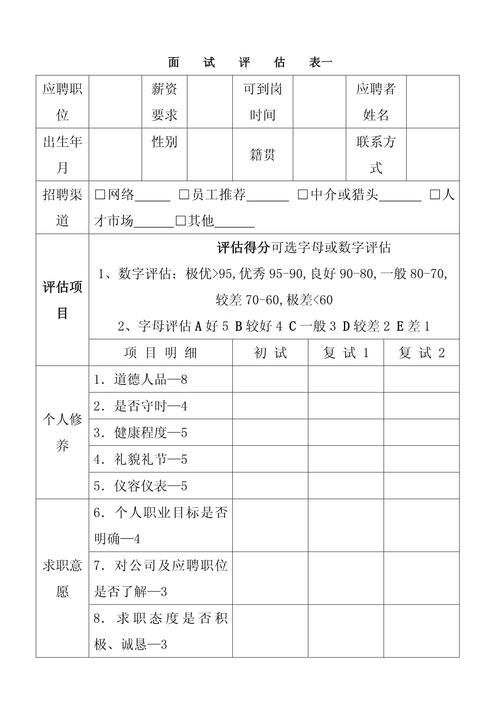
Recruitment effectiveness refers to the effectiveness of recruitment. Specific reference is made to the degree to which the quality, characteristics and characteristics of the applicant are actually measured by the employer. It would be difficult to accurately calculate the effectiveness of the recruitment methodology immediately after recruitment. In the case of some kind of personality test used in the recruitment process, it is generally possible to give a rough estimate of the effectiveness of the recruitment method, using the following methods. Adopt a personal evaluation method: provide feedback to the person on the results of the test and ask them to judge whether the evaluation is in accordance with his or her actual situation, and evaluate the effectiveness in terms of the percentage of the number of persons who agree with the total population, the higher the percentage, the better; adopt a comparison: the results of the assessment of the job seeker at the time of recruitment are compared with the scores of the actual performance appraisals after recruitment, which, if relevant, indicate a high degree of effectiveness. #p#page title #e#
Job seekers — gold cups, silver cups — are not popular
Citing the example of a mobile phone research and development operation, where a small number of people had to find out online that a research and development worker was recruited by a well-known foreign enterprise, they called and asked about a small interview with the company after a simple communication and promised reimbursement of the cost of a round trip. Zhang soo went to the company for the job, which, after a few brief questions, told zhang three days later to reply, and three days later to call and ask questions, stating that he had to wait a few days before returning to his place of residence. Just got home, and he was asked to try again. After the retest, they told him that we only wanted to hire a normal one. You're too good. We'll think about it and then we'll promise to send him the money. Having never received any information from zhang since his return, zhang was outraged by the publication in various human resources management forums of the absurd recruitment of the company。
Analysis: job seekers are full participants in the enterprise recruitment process, and they have different views on the effectiveness of recruitment due to differences in status and status. It is therefore necessary to conduct a sample survey of hired and non-enrolled employees after recruitment to obtain their views on the effectiveness and scientific nature of enterprise recruitment. Because of the different status of the job-seeker, these problems in enterprise recruitment tend to be more real. In particular, job-seekers who have not been recruited are more objective in their views, and if the enterprise's recruitment activity is considered efficient, fair and scientific in the eyes of the job-seeker, it is also conducive to the creation of a business image. In general, job seekers can be surveyed in the following areas to evaluate the effectiveness of the enterprise recruitment process。
First: effectiveness of recruitment. I. E., publication of recruitment information for enterprises, organization of recruitment activities, interviews
Publication of results, timeliness and reasonableness of post-employment processing. Experience shows that many job-seekers often decide whether to accept a new position within a week. Interviews are always postponed and are actually sending two messages: one to make the interviewer feel less important, and the other to make his job less important. Today, time is the key to obtaining the best。
Second: reasonability of the selection process: whether the examination, the combination of the test projects and the sequence of their application were scientific and not duplicative; whether the selection process was fair; whether job seekers were respected; and whether the competencies and qualifications of the focal points, hiring department directors and selection examiners were qualified。