1. B2b (business-to-business): refers to e-commerce activities between enterprises, such as platforms such as hyeung and alibaba, which provide opportunities for wholesale trading and business cooperation。
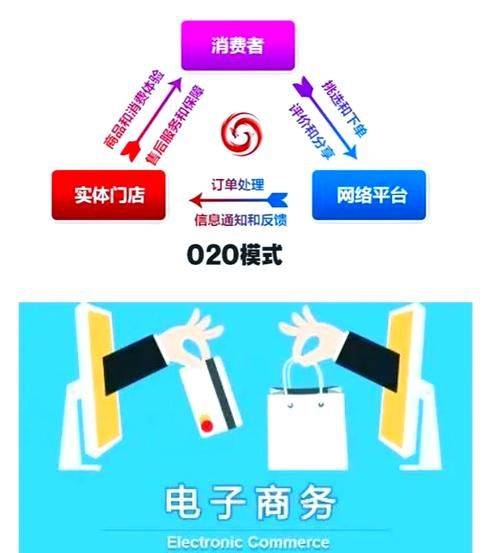
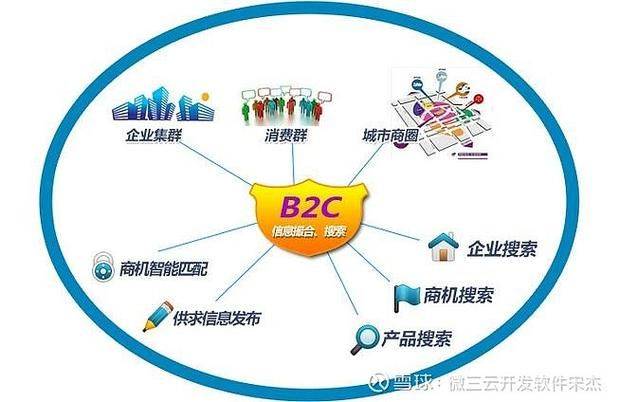
B2c (business-to-consumer) refers to business-consumer e-commerce models, with common examples such as kyoto, downnet, etc., which provide online shopping services to individual consumers。
C2c (consumer-to-consumer) refers to e-commerce between consumers, and poaching networks are typical representatives of this pattern and individuals can sell goods to other consumers on platforms。
4. B2g (business-to-governance): e-commerce activities involving business and government. Under this model, enterprises can provide products or services to government agencies, such as e-procurement platforms。
5. G2c (government-to-consumer) refers to e-commerce between governments and consumers, through which governments provide services to the public, such as online tax returns, electronic social security services, etc。
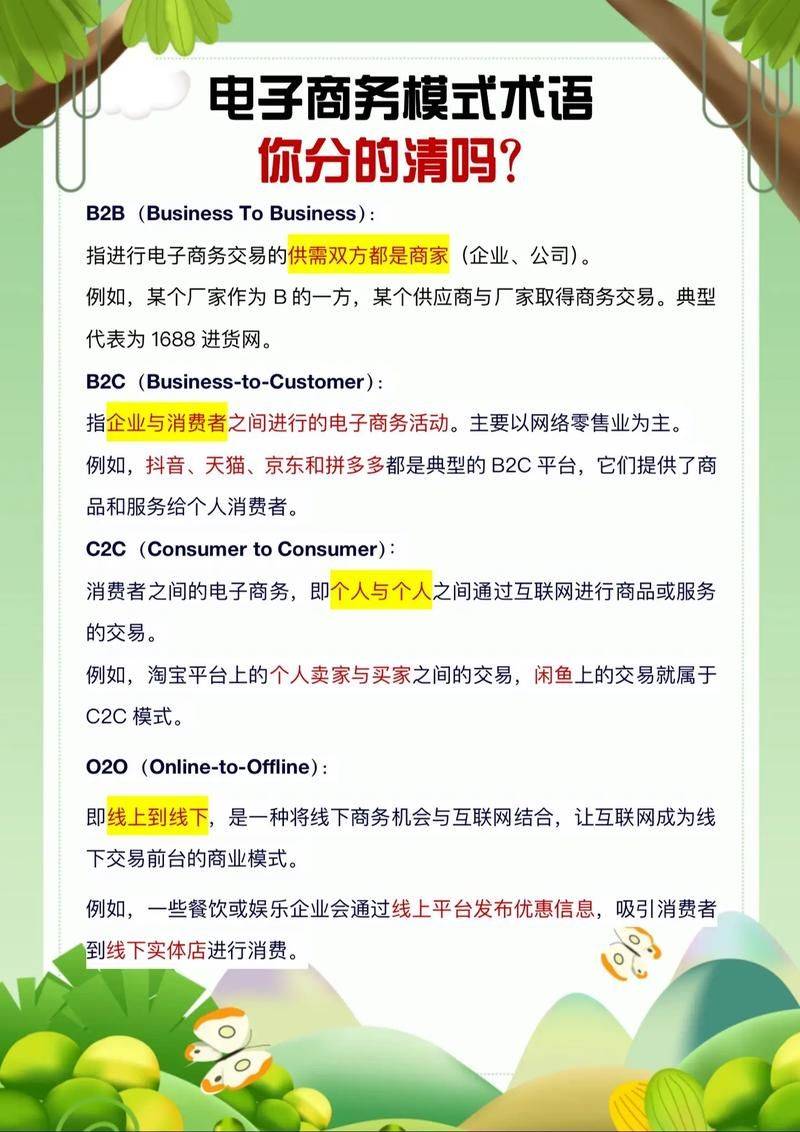
In each of the abbreviations, “2” represents “to” in english, while “b”, “c”, “g” represents “business”, “consumer” and “government”. Together, these models constitute a diversified pattern of modern electronic commerce。