The installation of air conditioners in the writing building also requires the following attention:
Installation and maintenance of air conditioners must be done by professionals to avoid problems。
2. The installation process requires compliance with relevant regulations and rules, such as electrical regulations, environmental regulations, etc。
Upon completion of the installation, a pilot operation and commissioning is required to ensure the proper operation and effectiveness of the air conditioning system。
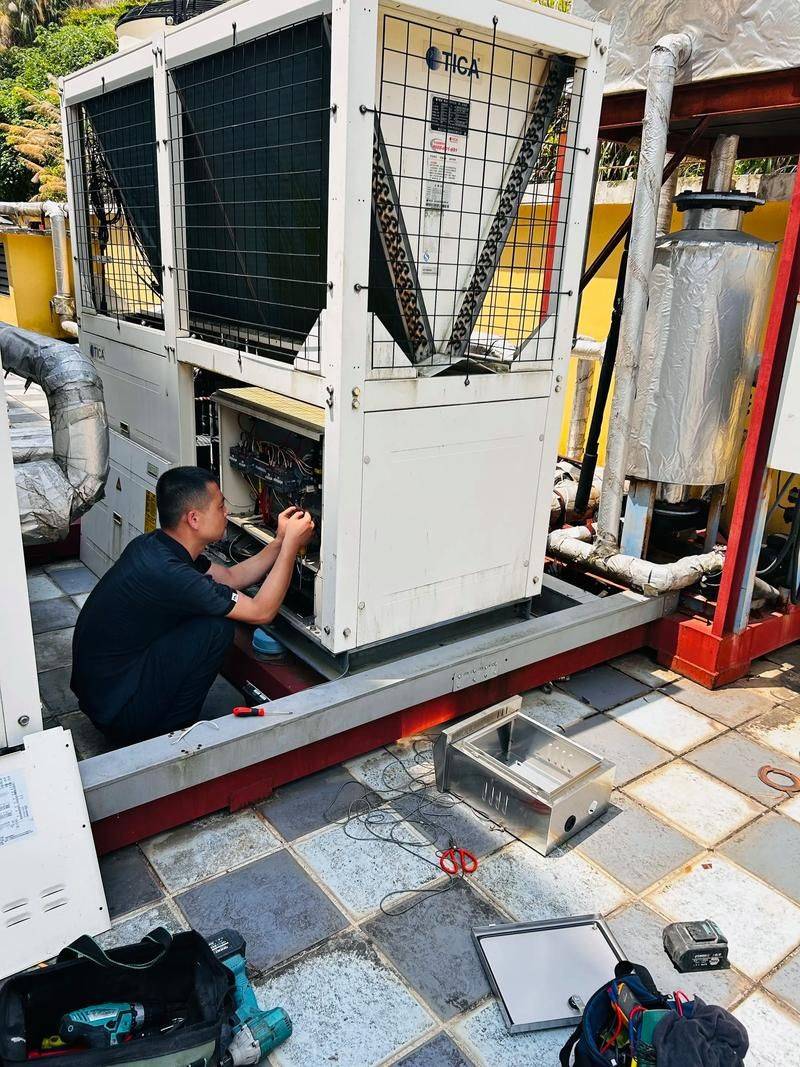
4. In the course of its use, there is a need to regularly inspect and maintain air-conditioning systems and to address problems and problems in a timely manner。
There are a number of advantages to air conditioning maintenance, including the following:
Improved air-conditioning efficiency: regular maintenance can improve air-conditioning efficiency by removing dirt and congestion in air-conditioning systems and ensuring smooth air flow。
Extending the useful life of air conditioners: by means of regular maintenance, the integrity and functioning of air conditioners systems can be protected, thus extending the useful life of air conditioners。
Reduction in the cost of repair and replacement components: regular maintenance can reduce the cost of repair and replacement of components by preventing breakdowns in air conditioning systems and avoiding sudden breakdowns。
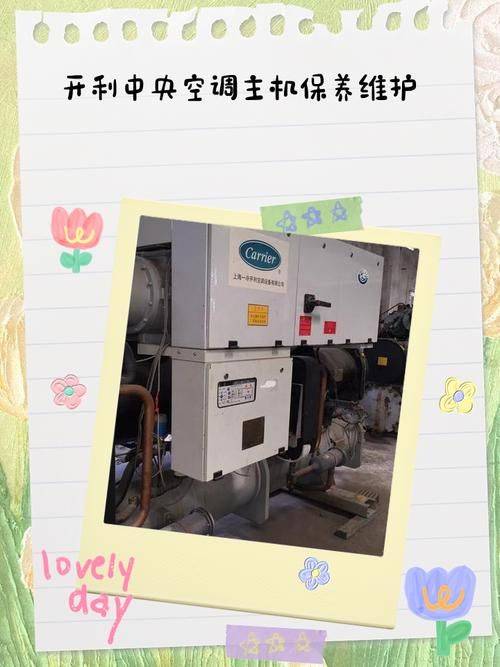
Improved indoor air quality: regular maintenance can reduce the growth of micro-organisms such as air-conditioning systems, fungus, dust mites and improve indoor air quality。
Reduction of electricity consumption: reduction of electricity consumption through maintenance, improvement of the working environment for air conditioners and efficiency。
Reduced expenditure: air conditioners after repair and maintenance, lower failure rate, reduced electricity consumption and savings in intangibles。
Commercial air conditioners are maintained in the following ways:
1. Regular inspection methods: this approach relies on the sensory and experience of the maintenance staff to observe and inspect areas of potential failure. For example, listen to the sound of the machine running properly, see if the cooling is working well and if the temperature of the machine is too high。
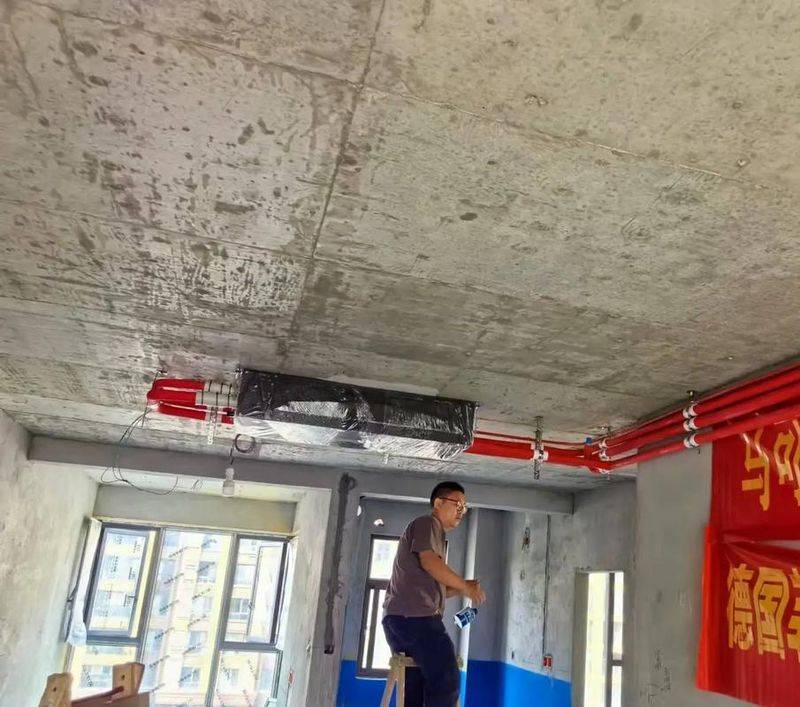
Instrumentation: the performance parameters of air conditioners are tested to determine the point of failure by means of various instruments, such as universal meters, current meters, pressure meters, etc。
3. Replacement of components: when a component is suspected of having problems, a new component may be replaced to see if it can be resolved。
Energy-saving modifications:
Energy-saving modifications are the use of frequency-driven cooling water pumps, cooling fan generators and the achievement of frequency-modified speeds for pumps and wind machines, depending on the temperature of the output of frozen water。