Learning about electrotechnologies is not a piecemeal memory formula, components and equipment, but a clear thread: where electricity comes from, how it is calculated, how it changes, how it drives, how it controls transmission, how it works safely. The entire book is organized in chapters that are progressive, logical and ultimately help us build a complete electrician awareness system, from power to use。
I. Bottom roots: learning to analyse and calculate circuits
This is part of the electrician's “theory fundamentals”, and all subsequent electrical machines, transformers and distributions are based on this analysis。
First, the basic concepts and analytical methods of circuits, ranging from the base of voltage, current, power, resistance, etc., to the core methods of the orm's law, the kielhoff law, to the secondary current method, the superimposed theorem, the david ninen theorem, etc., address the most fundamental issues: the known circuit structure and parameters of the components, and the calculation of the various voltages and currents. These methods are mainly applied to linear circuits and are also our core tools for analysing, designing and mapping simple circuits。
On this basis, access to the sine communicator is the most important form of electricity for life and industry. The book focuses on the key concepts of the detoxification of electrical resistance, the perception, the properties of electricity in communication circuits, as well as resistance, power, phase, etc., and allows us to understand the nature of the difference between power communication and direct current electricity。
The three-way communication circuit, which is the core form of modern power generation, transmission and power supply, uses almost all three-phase power plants, grids and large power generators, with connections to the three-way circuit and voltage currents, to be considered as being really close to industrial reality。
Finally, the transition process of the circuits, which focuses on the electrical capacity, the electrical senses, the electrical voltage during power outages, and current changes, allows us not only to look at the “stabilized state”, but also to understand the pattern of the “dynamic changes” of the circuits and to lay the groundwork for a subsequent understanding of the temporary properties of the electric power and the wire。
Electromagnetic and magnetic: how electrical energy transforms, how to rotate
The ability to analyse circuits leads to the application of the core of electricians: the conversion of electricity and magnets, which is the rationale for transformers and the ability of electricians to work。
Magnetic circuits and exchange iron core wires reveal the physical pattern of “generic magnetic, magnetic” and are the underlying principles of all electromagnetic devices. Without magnetic knowledge, it is impossible to really understand why transformers and electric machines work。
The transformer is responsible for the lifting, isolation and transmission of electrical power. From high-voltage transmission at the power plant to 220 v at home, transformer transformer transformers are the key equipment for “electric energy handling and conversion” in the electricity grid。
To all types of electric power: a walker is the most commonly used power source in industry, driven by wind, water pumps, machine beds and conveyor belts; a straight-flow electric power is suitable for a scenario that requires a precise retrenchment; a control power (e. G., server, step) is used for automation, high precision positioning, a joint conversion of electrical to mechanical energy and a real “mobilization” of electrical energy。
Control and application: how electricity is safely used and delivered
Once the theoretical and equipment doctrine is completed, it will eventually land for actual engineering, electricity and safety, which is also the most common knowledge of first-line electricians。
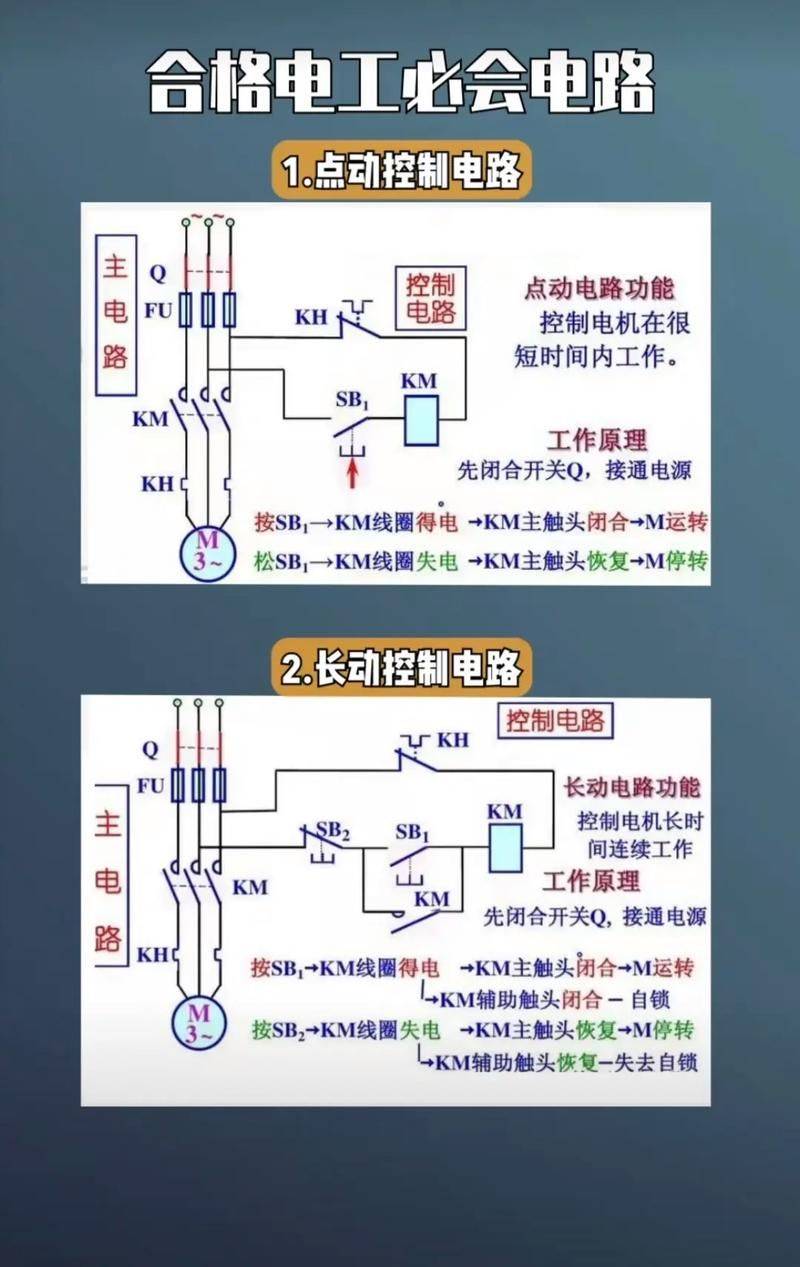
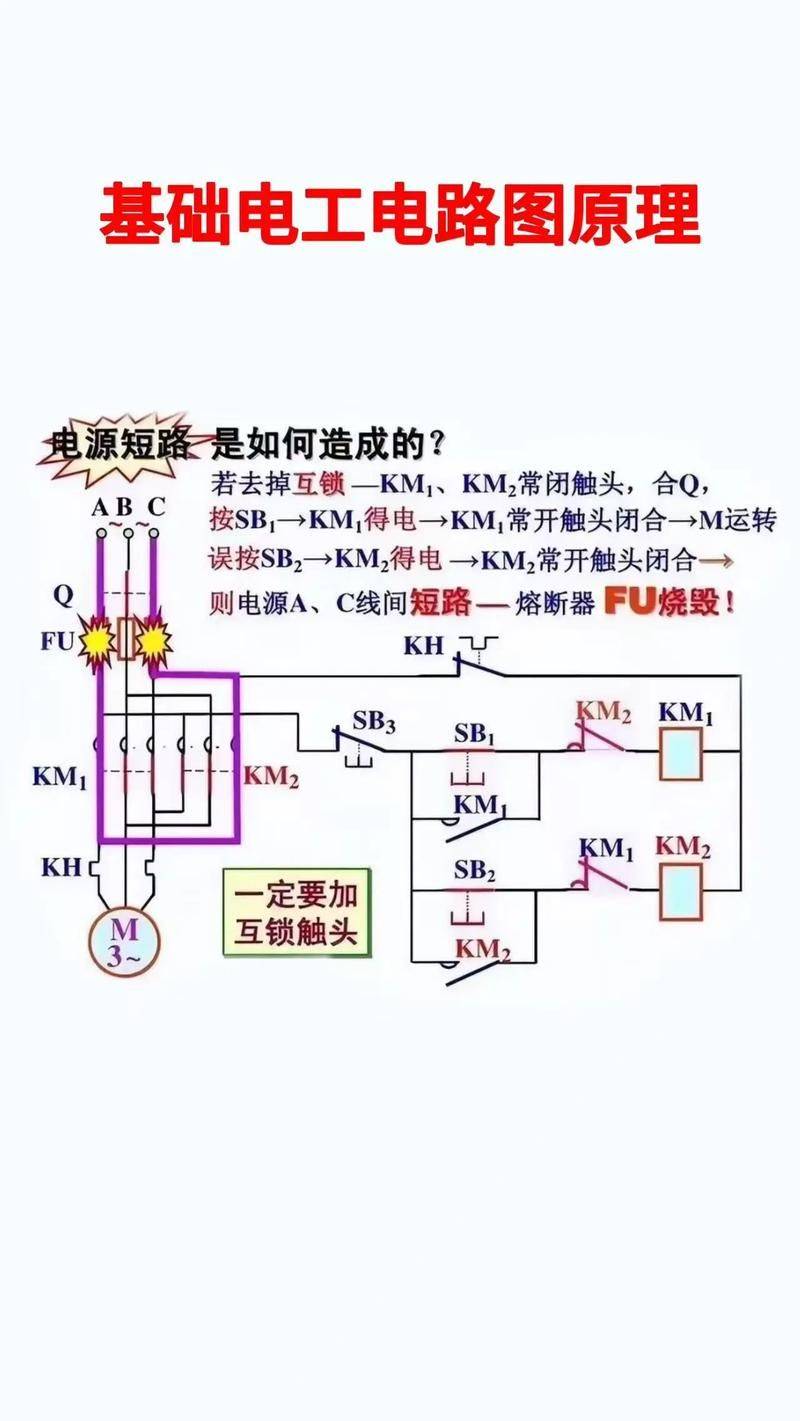
Relays, contacts, controllers are circuits' “automated switches and brain” that provide logical controls such as power outages, reverse rotations, overload protection, self-locking interlocks, etc., to automate and secure the operation of the equipment rather than simply manual power outages。
The knowledge of transmission and distribution brings the perspective to the entire power system: from power generation, through high voltage transmission, transformer power stations, then through low voltage distribution to factories and households, to show the full path of electricity from the end of generation to the end of use, so that we can understand how the grid works and how it works。
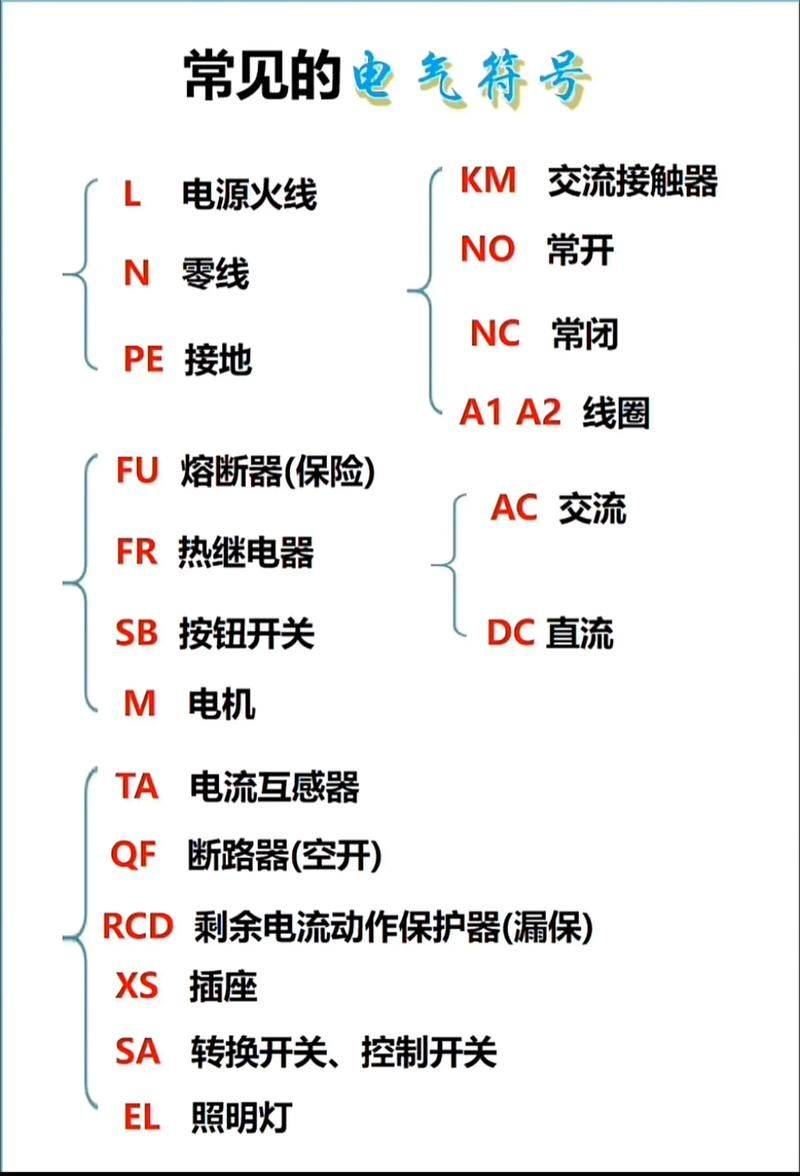
The safe use of electricity is the bottom line for electrician work, which includes electrical exposure protection, grounding, leak protection, mine protection, regulation, and so on, at its core, the safety of persons and equipment。
Electricians' measurements are the "eyes" of electricians, using tools such as mass meters, plier meters, voltage meters, current meters, etc., so that we can measure, judge, sort out failures and apply theoretical knowledge to actual exercise。
The whole book seems to have a large number of chapters, but the logic is very uniform: first learn how to calculate electricity, then learn how to transform it, how to turn it, and finally learn how to control, transport and use it safely. We are no longer just learning about a component, a formula, but we are really building a complete electrical system, from power generation, transmission, power transformation, power control to electricity, and safe electricity, with the basic capability to understand, analyse and apply electric technology。