In june 2022, our bureau issued a working opinion on the optimization of the bidding mechanism for housing construction and municipal infrastructure works in fukuzhou (pilot) (2022) since the issuance of the document, we have effectively led our construction enterprises to strengthen their own construction, improve the quality and safety of construction works and promote high-quality construction. The document, which is due to expire on 1 july, has been refined and developed in the light of the latest departmental and municipal documentation requirements, as well as the commission's public consultations, business talks and so forth. It is read as follows:
The opinion consists of six points, which are addressed, respectively, in the areas of evaluation segregation, credit evaluation, performance use, and regulatory safeguards。
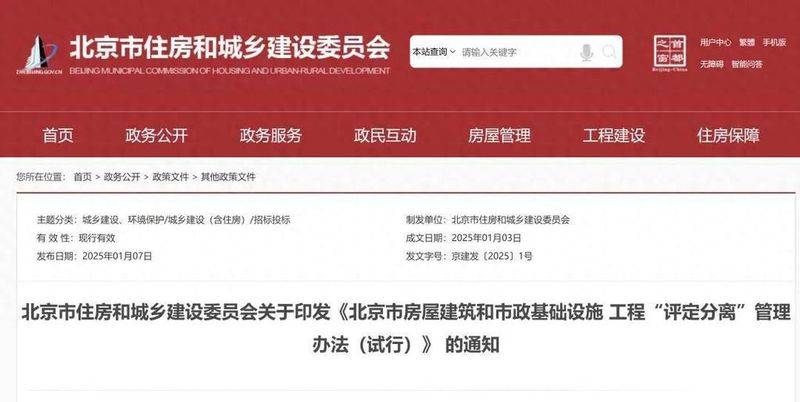
1. Promote a “rating separation” system to encourage the selection of successful candidates. One is the extension of eligible survey design projects. The tenderer shall prepare a comprehensive analysis of the external environment of the project, the level of the project, the space area, the functional requirements, etc., prior to the request for proposals. The tender shall be organized according priority to the “segregation” model for the design of the survey and priority works at the public buildings and above the municipal level, for the construction of important sections of the city, for the landscaping area, for the greening of the landscape, for public buildings with special requirements for building functions, and for the design of the survey, and for the piloting of the eligible construction tender project. For construction projects with a bid control price of <$030 million and using the evaluated lowest bid award method, bidders are encouraged to organize tenders using the “segregation of rating” model; tenderers are formed to form bid determination committees to develop their bid determinations from the credit position of the enterprise, the proposed management team, technical programmes, performance management, etc., and to select the successful bidder on an autonomous basis。
2. Strengthen the application of credit evaluation results to secure the selection of successful candidates. One is to increase the withdrawal ratio of credit sub-tenders. The evaluation of bids using the lowest evaluated bid award method, category a, was based on the difference in bid control prices, with 25-30 random entries from the top 50 bidders in the credit rating, and 20-25 random entries from the remaining bidders; and the second was an increase in the number of participants in the pool, with 10-15 bidders selected by the bid evaluation committee for evaluation of tender documents, depending on the difference in bid control prices。
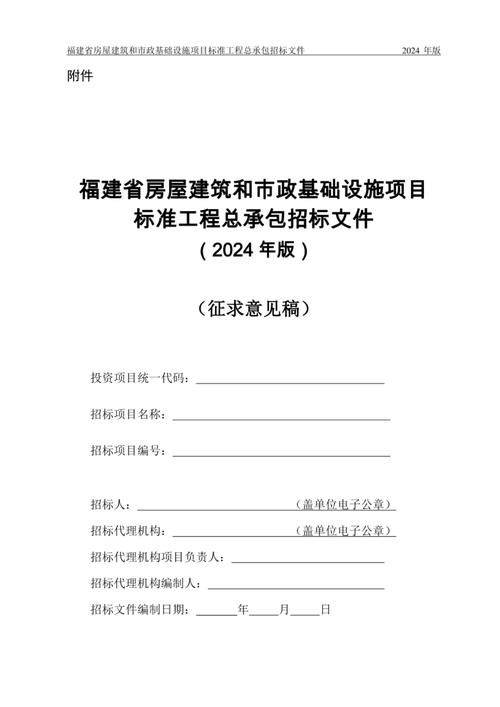
3. Implementation of municipal engineering assembly and support for integrated assessment methods. Our city's new, retrofitted and expanded municipal road works should, in principle, be based entirely on prefabricated concrete components, and tenderers should be supported in their bid evaluation using a comprehensive evaluation methodology for the construction project。
4. Support consortium bidding to promote enterprise transformation. Our city is required by law to tender for the construction of buildings and municipal infrastructure projects, and the tenderers cannot exclude the consortium. Our (quasi) lead firm forms a consortium of leaders and high-quality firms, and bidders ' credit scores and performance are measured by the highest credit scores and performance of members. The construction performance of the project undertaken by the members of the consortium could be used in future solicitation projects。
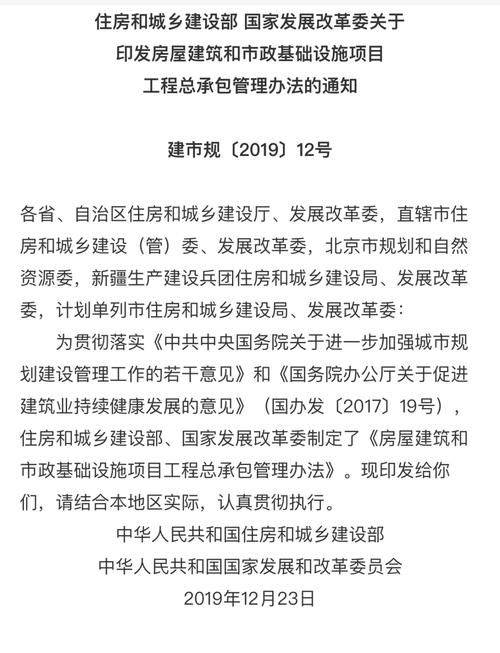
5. Strengthen the monitoring of compliance and severely punish violations. We, the municipal authorities at all levels of construction, should strengthen the supervision of the entire process, and we should severely examine the bidders who have committed violations。