2026Collection marketTo usher in structural change and to say goodbye to the “universal age”, which features the core features of “resistence, product rotation, compliance, science and technology assistance”, hot spots are concentrated on the upgrading of traditional goods, the rise of new races, and the restructuring of market rules in three main directions, taking into account cultural heritageAsset allocationProperties, the following are specific hot spot combs:
I. Traditional collections: precise leadership, re-value
Traditional collections continue to dominate the market, with core hot spots concentrated in the “real, fine, rare” category, benefiting in particular from spring-lapse and policy liberalization and the reversal of some cold-door blocks, resulting in a clear trend of value return。
1. Mingqing kiln china: monochrome as a new pet
The mingqing kiln has always been the “hard currency” of the auction market, and in spring 2026, a single-colour china burst, breaking the former “pinning” status and becoming the new mainstream of the official kiln collection. Among them, the brightest performances are blue bells, blue bells, which are complicated by the cooking process (1300°c high temperature with a success rate of less than 10%), and “blue bells as gold” which, in the spring of 2026, all of hong kong's crumbs, with high prices and rising heat levels, were taken from the dry blue bells and blue bells; the unique sweet bellows of ming yong-ling kilns, which were warm like fat, rose by more than 50% in recent years over three years' bargains, and so on are the finest things, such as long-term bellow bellows and sweet bellow bowls. In addition, the colours and colours of the three generations (zhongqing, kanlong) have remained stable, with a premium of over 300 per cent for orphan products。
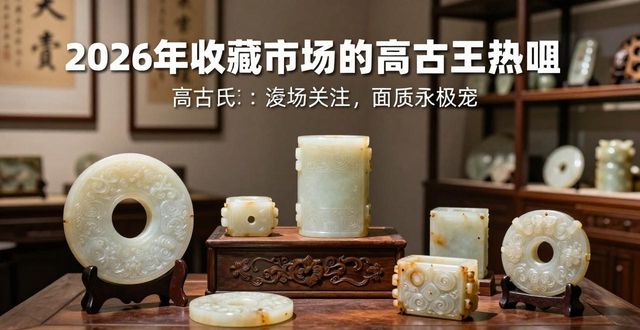
2. Takayu: revealing from cold door to new capital
It was a long-time cold, long-suffering, and in 2026, a complete break-out became the focus of capital competition. In hong kong's spring shoots, the red mountain culture, c-c, leung yu, has made a price of hk$1982 million, and the han dynasty-cyan-cyan-fong-fong-fong-fong-fong-fong-fong-bong-bong-bong-bong-bong-bon-bon-bong-bong-bong-bong-bong-bong-bong-bong-bon-bon-bon-bon-bon-bon-bon-bon-bon-bon-bon-bon-bon-bon-bon-bong-bong-bong-bong-bong-bong-bong-bing-bon-bon-bon-bon-bon-bon-bong-bong-bong-bon-bon-bong-bong-bong-bong-bong-bong-bing on the supply side, as a non-renewable resource, there has been a continuing tightening of the flow of soil and overseas; on the demand side, there has been a large-scale movement of chinese capital in south-east asia with the country's new wealth, with supply and demand imbalances driving price booms. At the same time, local museums have been active in the collection of ancient jade, further confirming the value of the plate, and there is still considerable room for growth in the form of disciplined, pyrotechnic and natural high jade。
3. Tang dynamite silver and tristar stack glass: black pony plate rise
In 2026, the chinese gold and silver instrument, based on fine crafts and the cultural values of the world, continued to grow in heat in the spring of 2026, with complex processes such as haze, engraving, gold, etc., with very few reserves, most of which are used by the court or nobility. The hong kong auction market has seen a 30-40 per cent increase in the sale price of silver and silver teas, etc., in tang dynasty。
The tristar glass is the most promising emerging hotspot, with academic and collection value based on the mystical ancient civilizational attributes and unique fyons process, combined with the cultural identity of china and western asia. In recent auctions, the sale price of small items such as three stars of cultural glass tubes and glass bells rose from tens of thousands to hundreds of thousands, with a remarkable increase in the future expected to be a new growth point for the market as ancient civilization studies deepen and capital is gradually distributed。
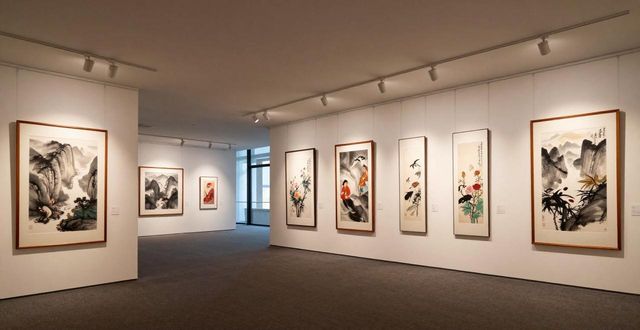
4. Near-modern family painting: strong resistance cycles and high mobility
The near-modern writings have remained very hot, especially those of changyu, zhao chiu, ju deong and fu jie-shi, and are extremely mobile and resilient. In the spring of 2026, changyu's legs on the blanket was sold at hk$ 639. 4 million, while the master of the lies in the rock updated his personal record with hk$ 575 million (plus commission) and reached the highest global price of modern books at over 40 per cent. The legacy of such works is clear and perceptible and constitutes a central option for the allocation of high net worth tibetan assets。
5. Overseas returns: increased policy dividend, significant premium
With the liberalization of the state's reflow policy, customs duties on the import of art products from hainan port of free trade have been reduced to 3 per cent, retrofitting cultural objects have been shown to be subject to re-obligation, and the volume of trade in retrogressive cultural objects abroad increased significantly in 2026, with a premium of between 40 and 300 per cent. Reflows with records and collections are not only of high cultural value, but also enjoy policy dividends and become a hot spot for the market, particularly in the category of reflows such as cuisine kilns, high-class ceramics, famous family paintings and so forth。
Ii. Emerging collection tracks: rejuvenation, transboundaryization, digitization
With the rise of z generation tibetans (58. 7 per cent under 45 years of age), the collection market has been rejuvenation, with new tracks breaking traditional collection boundaries, balancing social attributes with the value of investment and becoming a new dynamic。

1. Compliance digital cultural assets: year-by-year outbreak, rapid growth
In 2026, the year of compliance with digital collections, digital works of art determined by the chain of blocks, ai co-creations, physical collections of digital twins, etc., became the first choice for the first collection of young people. The ratio of high net collectors has reached 13 per cent, with an annual increase exceeding 45 per cent, and, relying on the endorsement of the state-funded platform, with both specious and social attributes, has completely moved away from the “hospitals” of the past to achieve normative development and become an important growth pole in the collection market。
2. Non-adult+tide cross-border: artisanal orphan is admired
The market size of non-removables exceeded 500 billion in 2026, and the integration of the national heirs in artisanal, non-removables and tides became popular. Non-relict items, such as purple sand, sembroids and dragon spring plasters, which are unable to recaptulate their machines, have grown by more than 20 per cent annually, and have been collected by domestic and foreign collectors. At the same time, non-remaining surroundings, retrospects, etc., fit the aesthetics of young tibetans, take into account cultural content and current properties and become the dominant choice for collections of young groups。
3. Collections of life types: the rise of small elites and their circulation
The z generation-led life collection warms up to 10 times as high as the current-limited premium for bubble-mart and build-up bear; the rolex and the amas classics remain robust; the ccd camera is growing almost 10 times, and the transaction price for zhou's limited black tape record is 20 to 30 thousand. Such collections have strong social attributes and speed of circulation, do not require excessive professional thresholds and are suitable for entry by ordinary collectors and become new hot spots for markets. In addition, small items such as old wood sculptor, old tablets, old silver, etc., have grown by 30 to 50 per cent, driven by the trend towards retrofitting, and have gradually entered the tibetan landscape。

Core collection market trends: compliance, technology, assetization
In addition to specific product categories, there was a profound change in the rules and logic of the collection market in 2026, and related trends became hot spots throughout the year, affecting the direction of tibetans。
Compliance as a core prerequisite
The new version of the law on the protection of cultural objects is being fully implemented. It defines the identity of the legal personal assets of the private population, the legal possession of cultural objects of levels 1 to 3 is freely tradable and the additional authorization is being eliminated. The national system for the registration of civil cultural objects is being put on line and the collection is being processed “digital identity cards” in accordance with block-link technology. Compliance collections have priority in auctions, financing, exhibitions, with a premium of about 18 per cent, and “compulsory powers” have become a “lifeline” for tibetans, and cultural objects that are not exposed, involved or prohibited from leaving the country have become an industry consensus。
2. Science and technology enabling the restoration of collection ecology
The dual-tracking model of ai (98. 5 per cent +) with experts has significantly reduced the threshold for authentication of authenticity; the chain of blocks has the power to trace the whole process of collections and to address the trade pains of “identification disorder”; online competition has exceeded 50 per cent, with live auctions, meta-space fairs, ar-watchers, etc., allowing tibetans to participate globally without a household and significantly increase transaction efficiency. Technology is breaking down professional barriers and geographical limits to collections and providing opportunities for wider participation。
3. Collection logic shift to asset configuration
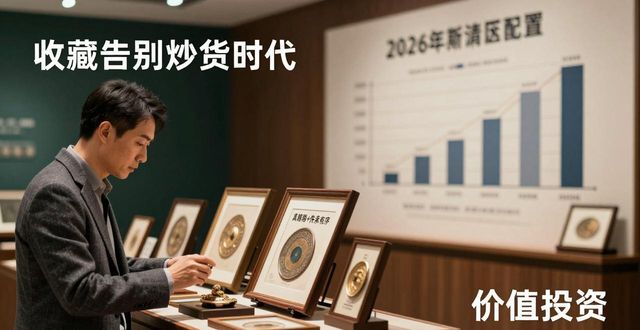
The collection was a complete departure from the era of “fried goods” and turned to value investments, with the top collections becoming family assets ballast. The financial attributes of the collection have been further strengthened by the extension of art quality pledge financing to the entire country, which can be disbursed for three to seven days for compliance collections, with an annualization of about 6. 5 per cent, amounting to 50 to 70 per cent of the valuation; and by the first drop of reits, which allows collections to be “unsaleable without sale”. The collectors are more focused on the long-term holding value of the collection, with the “grubber plus orderly transmission” becoming the core screening criterion, while the middle and low-end generics face liquidity depletion and price loss。
4. Increased polarization of markets
The effects of the motors are extremely visible, with the peak refined by an annual increase of 8 to 15 per cent and the normalization of the billion-dollar scale, while the medium- and low-end generics, imitations, and source-free collections, with a sharp rise in the rate of flow and prices, have largely lost the value of the collection. Hong kong and new york have become global collection-pricing centres, and overseas market fire has contrasted with the structural adjustment of the domestic market, with a more rational layout of the tibetans, focusing on core categories and the best。
In conclusion, the core logic of the collection in 2026 was “compliance-based, mastery-based, technology-enabled, diversified development”, and the traditional fineness, in parallel with the emerging track, continued the core requirements of cultural heritage and adapted to the needs of new age collectors in terms of asset allocation and aesthetics, rational layout and focused compliance, as key to seizing the opportunities of the collection。