We search for information online by entering key fields from the search engine. Keywords are the best and the only means we can find information in a search engine. The optimization of web keywords will then take a prominent place in the promotion of the site. So how should one of our companies choose the keyword?
1. Consider from a client's perspective
What are the keywords to be used by potential clients when searching for your products? This can draw feedback from a variety of resources, including your clients, suppliers. Only when we know what kind of keyword the client needs can we be targeted and identify good keywords。
2. Expansion of keywords to a series of phrases
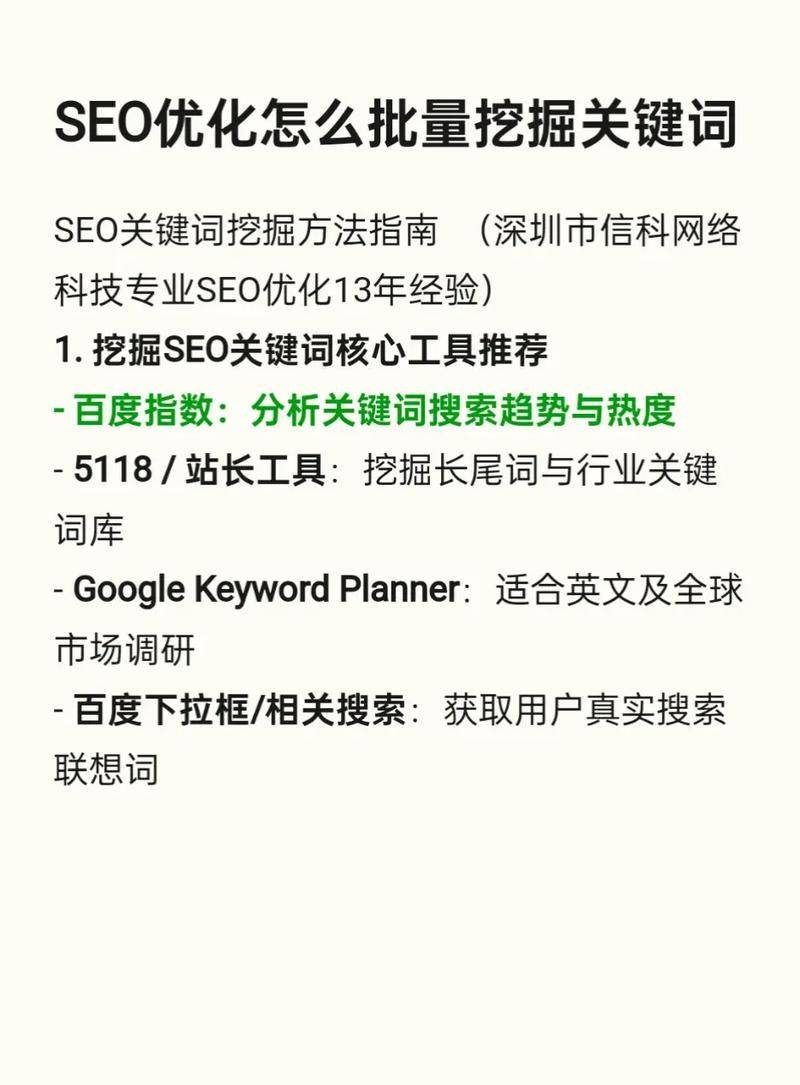
After choosing a series of phrases, these keywords can be tested using web-based marketing software, which is designed to see the frequency with which your keywords are used on other pages and how many people have used them in major search engines in the past 24 hours. The best words are those that are not abused and are popular。
3. Multiple grouping
Change the order in the phrase to create a different combination of words. Use an infrequent combination to form a query statement. Includes synonyms, replacements, metaphors and common misspelleds. Trademarks and titles containing the products sold. Use other qualifiers to create more two-word combinations, three words and four words。
For example, if your key word is money, you might encounter words like advertising money, internet money, website money, etc. If the keyword is a software solution, the flow analysis software solution, flow analysis report, flow reporting tool, b2b software solution, e-commerce software solution, etc. It is important to note that keywords are not necessarily meaningful, although they must be relevant when you cluster。
4. Use of the terminology of professional concepts to qualify visitors
Clarify your concept of key phrases, such as e-commerce software. It is important to be sufficiently professional so that the phrases are not too broad, such as e-commerce software solutions, e-commerce security solutions, b2b e-commerce software, etc。
5. Use of geographical location
If your position is critical, add it to your key phrase. For example, the guangzhou seo training, where the guangzhou seo training is a useful keyword。
6. Review of key words used by competitors
Searching for competitors' keywords reminds you of words you might miss. But don't copy anyone's keywords, because you don't know how they use them -- you have to think about them. The search for someone else's keyword is just a supplement to what you've chosen。

7. Do not use words and phrases that make too much sense
The meaning of generic terms and phrases needs to be made more precise by qualifier. Sites providing seos can use key phrases such as seo training, seo information and seo optimization
In order to pre-empt visitors, key words and phrases should clarify your niche. If you are in it, entertainment, you use entertainment news, film tracking, star story entertainment, etc. Make it clear that leki can attract the visitors you need. Whatever you sell, it's important. A small target audience is more likely than a large group of visitors who think you're selling something else to become a true customer. This is the idea behind seo information dissemination networks。
8. Do not use words