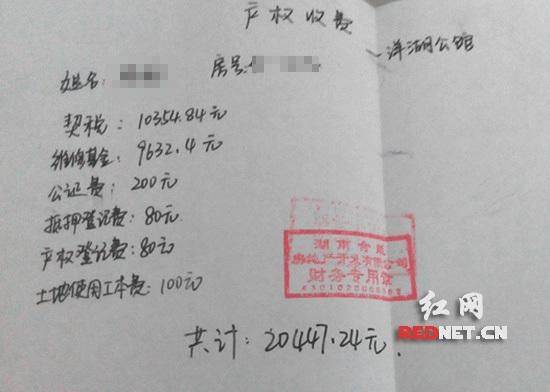
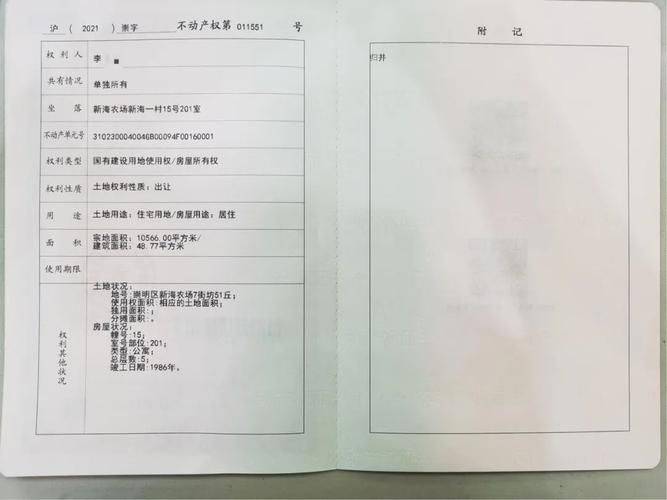
What are the avenues for de-listing and what are the formalities and taxes and fees involved? These are issues of concern to buyers, and the current search network consolidates knowledge on the de-listing of property certificates to inform home purchases。
In order to take the form of a trade, the relationship can be simple. Just pay a certain person's taxes. You lower the contract price a little, don't make gifts
General housing
Less than 5 years: 1 per cent full tax or 20 per cent difference, margin turnover tax 5. 55 per cent
Five years and one set of dwellings: one tax/business tax free
Not completed: 1 per cent or 20 per cent of full tax
Transaction charges: area x $2. 5
Purchaser's taxes and fees: deed tax (1 per cent for first home purchase, less than 90 m2, 1. 5 per cent for non-first house purchase and 1. 5 per cent for all over 90 m2)
Transaction charges: area x $2. 5
2) non-ordinary dwellings
Less than 5 years: 2 per cent full per tax or 20 per cent difference, turnover tax 5. 55 per cent
5 years: margin turnover tax (sale bid - purchase price)
Not over 5 years: full 1 tax of 2 per cent or 20 per cent, margin turnover tax of 5. 55 per cent
Fees: area* $2. 5

Buyer's taxes: 3 per cent tax, handling fees: *$2. 5
There are two ways: it is a gift, which is currently less expensive and notarized, but at the end of the period when it is sold, it is more expensive, and if not later, it can be considered
The second is that under the current tax policy, a substantial fee is to be paid, and the parents are to sell it to you, and a sum of money is to be paid to the parents (although the money is ultimately yours, but to let the bank and the government know that you bought it, or else it is the same as the gift). Of course, the money is not too small, at least at the same market price, and if it is too low, it is suspected by the agricultural tax centre that it is tax evasion, although it is easier and cheaper to sell the house later。