Have you ever had any experience: go home from work and charge an electric car, a call to jump out of a cell phone, and get in a good mood. Mr. Li of zinan charged 1. 01 degrees of electricity, with a deduction of $3. 2 and a careful look, the cost of electricity was only $0. 56, leaving a balance of $2. 64 as a “service fee”. Mr. Zhang, in tianjin, is far less than half the power charge, and the cost of the electricity is 28 cents, while the service charge is one and four, five times the cost. It's a mess, and it's confusing for everyone: how did you get to the charger when you didn't get 50 cents? In fact, the billing skeleton behind this is much more complicated than we thought。
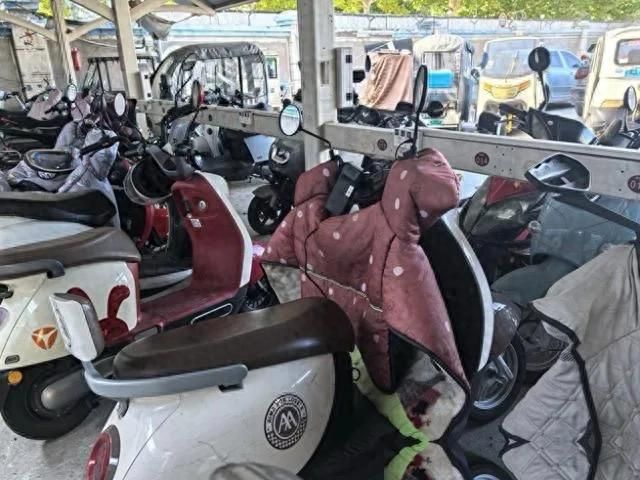
Open the phone bill, the total amount that pains you, is actually made of two pieces. One is state-controlled electricity, which is an absolute “consensual price”, and the price of electricity for a user is indeed a fraction of the price for a single electricity, which no one can add to. The other one, the service fee at the tip of the air. A lot of people think the operator's a bad guy, but the pot can't get them all back. You're down there with that low-profile charger behind you buying equipment, building a rain shed, repairing troubles, taking insurance, having someone inspect a large bill. Two-wheeled electric vehicles are usually charged at just over 100 watts, one full half a day, with a pitiful one-day run-through rate of one cut-off and a minimal fixed cost. It's completely different from the logic of a hundred kilowatts of fast-loading cars, with a one-minute charge and a half-day grinding of two wheeled piles, and the cost is naturally up。
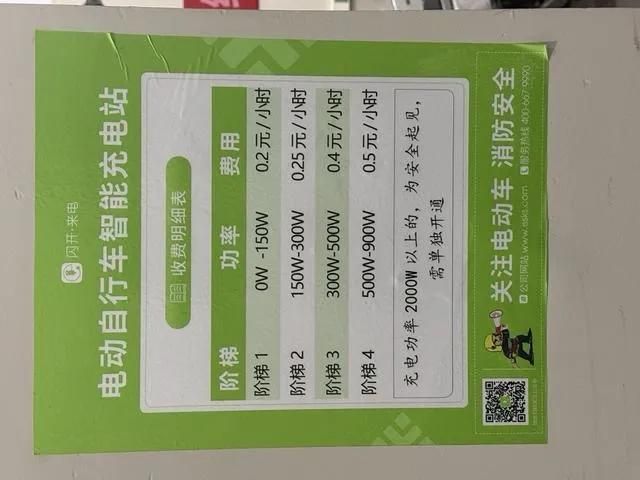
It is often not those dollars, but the fees are not transparent. The state has made explicit provisions to “separate prices” and to separate the costs of electricity and services. However, in practice, many of the recharge stakes in the sub-regions are either tossed at the total price or split into a pot of porridge by power. People don't know what they're talking about, just think it's a "secret box operation." such vague charges often mask the real cost implications — the rent of the premises and the division of property. Some properties are loosed so that the space costs can be lowered, and there is naturally room for a reduction in the cost of services, which, unfortunately, is difficult to channel to users. Added to this is the fact that some of the sub-regions are stuck in the “transfer of electricity” chain, and the middleman layer is scaled up, and the price is pre-heavy before the power is put on the stake。
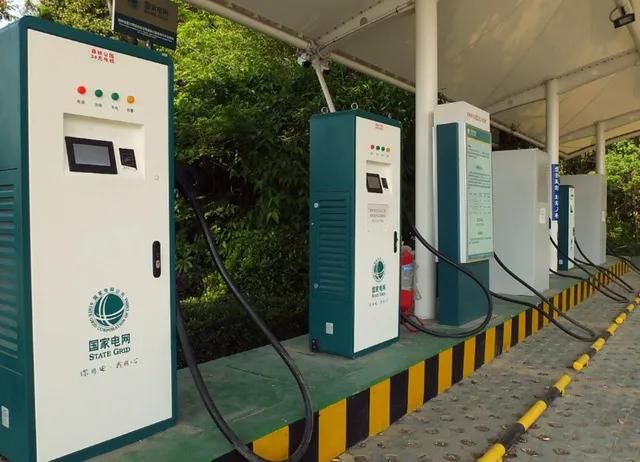
This situation is changing. The policy has been made clear that full recharge will be measured separately with effect from 1 january 2025, and that the former “one dollar at a few hours at a cost” is no longer valid. While the change to a flat rate has led some car owners to feel that the unit price appears to have become higher, it is the method of counting that returns to reality. The industry data show that even if a car can turn several rounds a day to fill the stake, the depreciation tax is applied, and the profits from electricity are a few cents per day. The two-wheel stakes are so slow that the days are only tighter. Security hazards are the greatest cost of being forced to charge “flylines” if the accounts are not properly accounted for, when the price is forced to be reduced by the call and death, when the operator runs the road and the facility rots。
There is a three-pronged approach to the real cure of this “precious” disease: bills must be explicit and transparent for every penny; water should be drained from the rent of the site, so as not to allow hidden prices to be pushed up; and power grids should be cut off and brokers should earn the difference. If the charge is to be fair and transparent, everyone will be reassured to park the car in the shed and to say nothing about the dangerous operation of batteries going upstairs and charging the flight line。