Xinhua news agency, beijing, august 14: increasing supply and reducing costs! Financial efforts to solve the problems of private sector, micro-enterprise financing
Xinhua journalist wu yu
Supporting private and micro-enterprise development is an inherent requirement of the real economy of financial services。
During the “1455” period, the financial system continued to improve its institutional mechanisms for financial support in terms of policy orientation, financial support, capacity-building and increasing the availability, inclusiveness and accessibility of corporate finance, with the average annual rate of increase in inclusive micro-credits exceeding 20 per cent over the past five years。
Increased availability of finance
“the loan of 3 million yuan in pure credit recently granted by the chamber of commerce has helped us resolve the problem of financing the expansion of production in the second half of the year.” wang hongwei, the general manager of yunan rey fong agricultural and livestock technology ltd, told journalists that the banks had introduced a number of credit products over the past few years, thus relieving enterprises that lacked suitable collateral。
During the “1455” period, the financial authorities actively led innovative banking initiatives to better help businesses address the problems of mortgage and financing problems. Our balance of inclusive micro-credit has increased from $15. 1 trillion at the end of 2020 to $35. 6 trillion at the end of june 2025, representing almost 30 per cent of credit loans. At the end of may this year, the loan balance of private holding enterprises increased to about $45 trillion。

An increasing number of enterprises have access to financing support and policy guidance is indispensable。
Two straight-through tools for inclusive micro-enterprises have been put in place, and financial support for the private sector 25 initiatives has been successful, with a timely increase in the level of support for small-scale re-financing and a sustained effort to support the coordinating mechanism for micro-enterprise financing. I don't know. In recent years, a number of financial initiatives have led financial institutions to increase their financial supply to private and micro-enterprises。
Loans of 55 million won for togs technology and more than 150 million won for the mole route. Since march of this year, a programme of action to support high-quality private-sector economic development in 2025 has been launched, and the balance of private-sector economic loans in construction banks has increased by nearly $600 billion compared to the beginning of the year。
Journalists have learned that private sector loans from agricultural banks have grown by more than 20 per cent over the past five years, guided by relevant policies. At the end of june this year, the balance of the bank of china's inclusive micro-enterprise loans increased by 26. 86 per cent over the same period and the number of clients increased by 32. 62 per cent over the same period。
In recent years, financial institutions have focused on the differentiated needs of private micro-enterprises in the areas of foreign trade, science and technology, and consumption, tailor-made “one-size-fits-all” service programmes, providing a full chain, a package of financial products and striving to make financial services more sustainable and more volatile。
Cost reduction, assistor enterprise "lightly loaded"
The programme of intelligent pig breeding offered by fukuya pork information technology co. Ltd. Has greatly improved the fertility and management of the traditional pig farming industry through technological means such as selection and digitally accurate feed by the entire genome。

“this year, we plan to fully promote the ai wisdom pig farming platform, which recently launched a loan of $1. 8 million at an interest rate of 3. 05 per cent, which has helped businesses to seize development opportunities. Zhang jia, the head of the company, said:。
During the “1455” period, interest-rate market reform intensified, boosting the steady decline in interest rates for micro-enterprise loans and bringing more dynamism to enterprises。
The effect is felt more intuitively from a set of data comparisons: in december 2020, the interest rate for newly granted smes was 5. 08 per cent; in june 2025, the weighted average rate for newly granted smes was 3. 48 per cent。
Repeated downward adjustments in policy rates and interest rates on structural monetary policy instruments, sustained release of the lpr reform of loan market quoted rates and the effectiveness of the deposit market adjustment mechanism, and pilot work to identify the cost of integrated financing for enterprise loans... I don't know. In recent years, a number of initiatives have been taken by the financial authorities to sustain a steady decline in the cost of integrated private and micro-enterprise financing, which has actually benefited more enterprises。
“as a result of this year's downward adjustment in interest rates, the same loan of $5 million is more than a year's annual savings of $20,000.” guo yuan chul, a mobile phone retail company operating in beijing, told journalists that wholesale and retail enterprises are more sensitive to cost changes, that lower interest rates on loans can reduce financial costs, and that helping firms to “light up” open markets。
“after each lpr adjustment, we take the initiative to adjust the financing programme to the needs of the successors and to the latest developments.” the deputy general manager of the inclusive finance department of the bank of commerce and industry, zhou yang, explained that during the first half of the year, the bank had added more than $500 billion to its inclusive micro-enterprise loans compared with the beginning of the year, and the average interest rate on new inclusive micro-enterprise loans had fallen by 112 basis points compared with the end of 2020。
Diversity meeting different financing needs
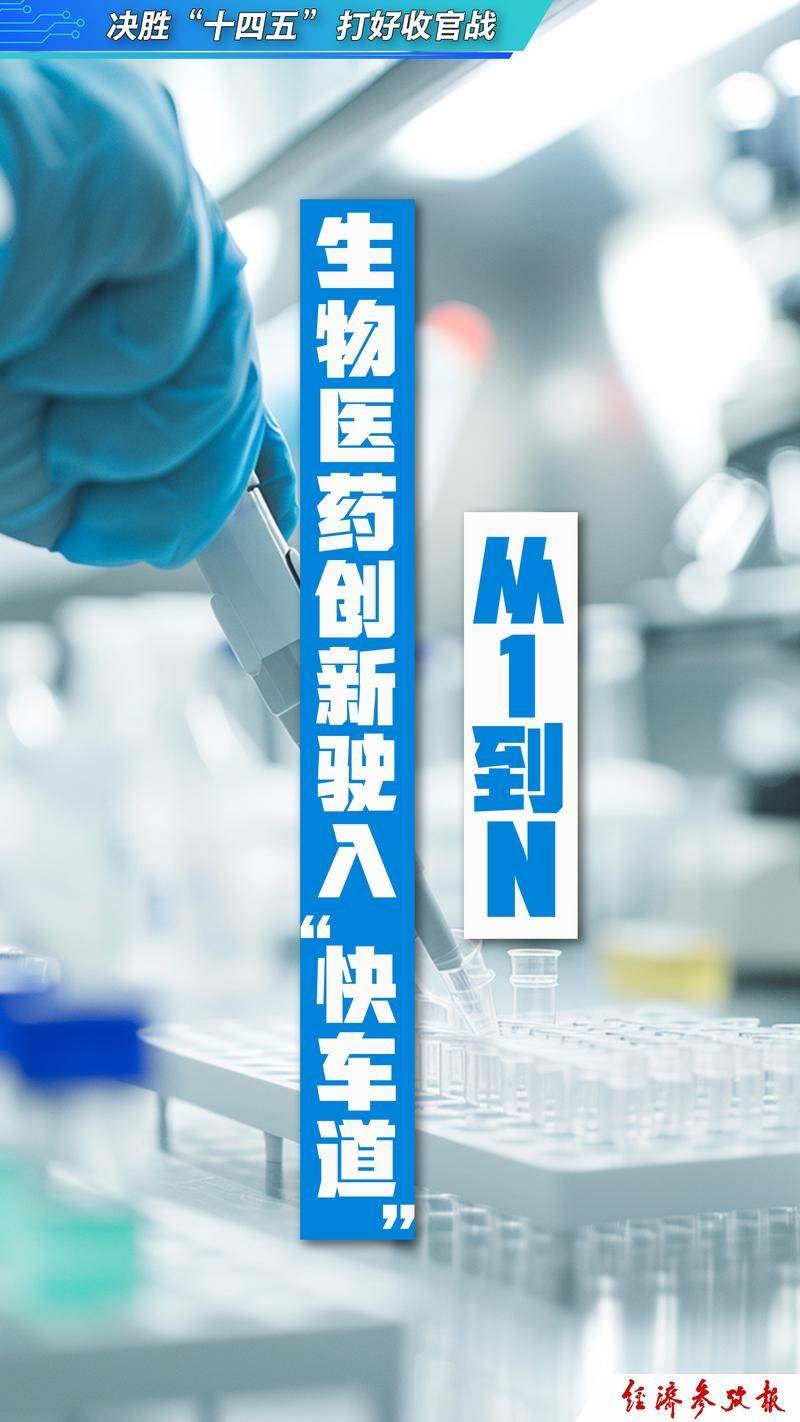
Private sector and micro-enterprises need to be significantly expanded in terms of financing requirements and modes of financing at different stages of growth。
In mid-may, sino-sino-sino-sino-sino-sino-sino-sino-sino-taiwan corporation ltd., which is the lead recipient, landed on the ground with a debt of $800 million for science, technology and innovation, at 1. 83 per cent. “we will focus our fund-raising efforts on deepening the development and application of the core technologies and building on our technological strengths.” the head of the department of science and technology said。
As an important instrument of our financial support for science, technology and innovation, the “science and technology board” of the bond market has attracted the active participation of financial institutions, science and technology enterprises and equity investment institutions. By the end of june, 288 majors had issued some $600 billion in sti bonds。
Support for private sector debt financing, support for equity financing for micro- and small-scale enterprises, and the development and active promotion of a universal registration and publicity system for movable property finance have accelerated the construction of a multi-layered and diversified financing system, with a sustained focus on increasing the share of direct financing in social finance and supporting greater diversification of private sector and sme financing。
Journalists have learned that in the first half of the year, private sector bonds were issued at over $350 billion, and that in june the average interest rate on corporate credit was 2. 08 per cent. At present, 63 per cent of the companies listed in the a share are private enterprises, and the number of enterprises in the north is 74 per cent, 81 per cent and 86 per cent, respectively。
The experts stated that further improvements in the financing architecture were needed to sustain the building of a modern financial system that would better serve the real economy through a multi-layered and diversified financial market system that would free the financial sector from thirst for private investment and micro-enterprises。