Ford mondeo 2. 0t has been an alternative vehicle for many consumers in the 200,000 class b market. The fluid-type appearance, large-sized middle screens, and the power of 2. 0t, make it pink. But many of the proxies have a concern: is fuel so high? After all, the cost of a home car is huge. Today we'll talk about the fuel consumption of monteio 2. 0t in conjunction with the physical data and professional analysis of the car owners, and then we'll decide to buy it later

How much oil did monteiro use
Zoom 1
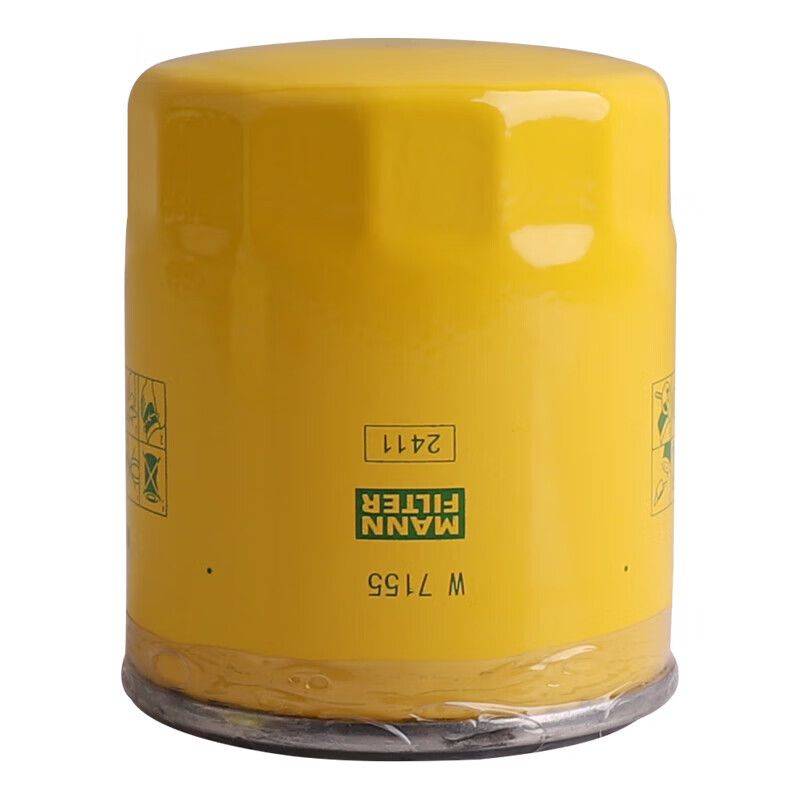
The mannfilter oil filter applies to ford mondeo
Twenty-three
There's no reason to reverse the 99% gyeongdong rating
Purchase
I. Official data vs. Vehicle owner measurements: what is the difference in real fuel consumption
See first the official data on fuel consumption, the sum of necd oils of the monteio 2. 0t type (versions 192 and 245) consumed at 6. 6-7. 3 l/100 km. However, old drivers are aware that official data are the result of ideal working conditions and that there must be a difference in actual terms. In order to obtain real data, i collected long-term car records from 10 car owners in different regions, covering urban commuters, high-speed self-driving, comprehensive road conditions, etc。
The difference in fuel consumption is most marked in urban commuters. Low-power vehicle master measured fuel consumption was generally at 9. 5-11l/100 km and high-power editions at 10. 5-12l in high-intensity high-intensity cities in the north. Mr. Li, the owner of the beijing car, shared: “i travel 30 kilometres per day at a peak, 40 per cent of traffic traffic takes place, plus petrol 92, and a tank can run about 550 kilometres, counting about 100 kilometres of fuel consumption of 10. 2 l.” in cities along the 3rd and 4th lines, the roads are relatively smooth, with a reduction in fuel consumption in urban areas of 1-1. 5 l, a low power version of about 8. 5-9. 5 l and a high power version of 9. 5-10. 5 l。
Under high-speed conditions, the fuel consumption of médio 2. 0t is very bright. Maintenance of the economic speed of 100-120 km/h, low-power version oil consumption of only 6-6. 5 l/100 km and high-power version of only 6. 5-7l. Ms. Shandong has just completed her high-speed drive: “it was 400 kilometres from chinan to qingdao, filled with oil before leaving, and less than half a tank was used when the oil table showed after the destination, counting 100 kilometres to 6. 3 l, which is far more than expected.” the average fuel consumption of low-power editions is 7. 5-8. 5 l and high-power version 8-9l, which is above average in the same grade of the 2. 0t model, under combined road conditions (in urban areas and at high speeds)。
Ii. Three key factors affecting the consumption of 2. 0t oil in montevideo
It's also mondio 2. 0t. Why is there so much fuel difference between the owners? It is essentially related to three factors. The first is driving habits, which affect the core of fuel consumption. The “violent driving” of the brakes, which stomped on the gas, would cause fuel consumption to rise directly by 2-3l/100 km. A young car owner shared a preference for floor oil to start when the car was just taken up, and the consumption in the city was once 13 l, which was reduced to 9. 8 l when the habit was changed. By contrast, fuel consumption is generally more stable for even-paced and pre-decided road owners。
Next is road conditions and loads. When urban areas are congested, vehicles are frequently activated, engines are always operating inefficiently and fuel is naturally high, while at high speed engine conditions are stable, wind and resistance are relatively manageable and fuel consumption is low. In addition, vehicle loads can have an impact on fuel consumption, as the trunk is filled with loads or five persons, which can be 0. 5-1l/100 km more than when empty。
Finally, the state of the vehicle. The new vehicle will be fueled 1 - 1. 5 l during the grinding period (the first 3,000 km) and will gradually decline and stabilize after the grinding period. If not maintained for a long period of time, the deterioration of oil, the ageing of spark plugs, and inadequate foetal pressure can also lead to increased fuel consumption. The owner of the vehicle reflects that the consumption of fuel after maintenance is 0. 8 l lower than before maintenance and the importance of regular maintenance can be seen。
Iii. Mondio 2. 0t oil-saving techniques: home-testing effective
For the owners of the vehicle, which has already been mentioned in mondio 2. 0t, the acquisition of these fuel-saving techniques can effectively reduce the cost of raising cars. First, rational use of driving patterns. The system adjusts the oil-gate response and block logic to reduce unnecessary power output when urban congestion is congested; it uses standard models for high-speed or over-carriage, with sufficient power and less high fuel consumption, and avoids constant motorization as much as possible。
Second, control speed and distance. The city is travelling at a distance from the vehicle and avoiding frequent start-ups, with an hourly rate of 40-60 km/h being the most economical; and not more than 120 km/h at a high speed, as wind resistance increases dramatically and fuel consumption increases. Third, vehicles are regularly maintained. In accordance with the requirements of the manual, oil is replaced, the core is filtered and the tire is kept within the standard range (mondio proposes a tire pressure of 2. 3-2. 5 bar), which can save you fuel。
In summary, the real consumption of the ford mundio 2. 0t is not as high as expected: urban congestion of 9. 5-12l, high-speed 6-7l, combined 7. 5-9l, and the same ladder as the camery and pasat 2. 0t model. If you often run high speeds or the roads are smoother, its fuel consumption will be more surprising; if it's mainly in urban areas, it can be kept within reasonable limits, given driving habits。
I'd like to conclude by asking you, do you think that the fuel consumption of montio 2. 0t is consistent with your expectations? Welcome to the comment section to share your skills in fuel consumption and savings