Garlic growers know that if the winter is not over, the season may be in vain. Just last year, zhang, a village in our neighbourhood, suffered a heavy loss as a result of the winter watering out, which caused nearly half of the 10 acres of garlic to die. And the farmers with the right technology, the garlic is so strong that the next year's harvest is in sight。
Is this garlic winter, saving or killing water? The answer is in the timing and method of watering。

How much for a container? It's too cheap for you
The winter water, the garlic's lifewater
Why is winter water so important to garlic? This has to start with the growth properties of garlic. Garlic roots are shallow and absorbent. In cold winters, a proper amount of moisture can form a layer of protection to mitigate drastic changes in the temperature。
In addition to preventing freezing, water can also be stored for the return of garlic to green in spring, while helping to eliminate some of the garlic mackerel eggs and to mitigate the pests of the coming year。
Watering time: find the key to freezing at night period
So when's the best time for winter water? Agricultural experts pointed out that november was a critical period for winterization, but that the timing had to be adjusted to local climatic conditions。
The ideal point for watering is the phase of soil “frozen day off”. That's when the soil freezes at night, and it freezes during the day。
At temperature, it is best to take place in the weather around 5°c daily average temperature, which is about 3°c during the day and drops to around 0°c at night. If the temperature has been reduced to 1-2°c, no further water is recommended in order to avoid freezing of garlic。
The exact timing of watering should be selected for a good weather from 10 a. M. To 4 p. M. This is because soil temperatures are low by 10 a. M., and water will further reduce the temperature, while water will be watered after 4 p. M. And the soil water evaporates slowly and can easily lead to heavy wetness。
The amount and manner of water being poured: the great flood is taboo
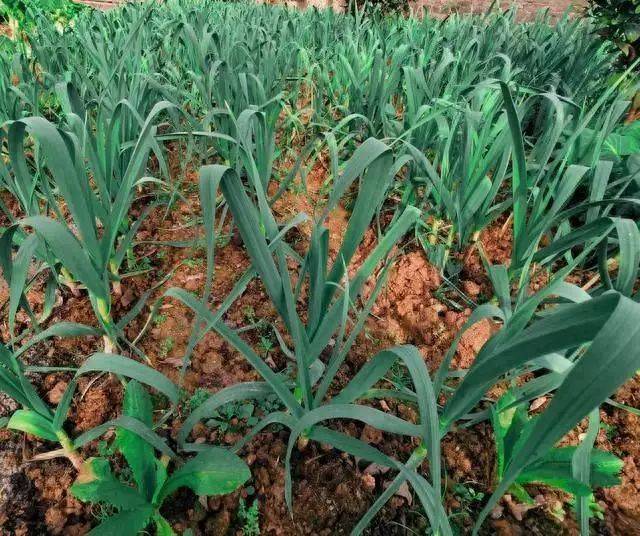
The worst thing to do in winter is flood water. Water use should be based on the principle that water is not accumulated on the ground. Because of the presence of water on the ground, the garlic roots are unable to breathe and even cause dead seedlings。
For large-scale farmers, the use of gutter irrigation is recommended — the opening of trenches in the planting areas and irrigation of water from the gutter. This method effectively guides the moisture to around the garlic roots, but it must be controlled。
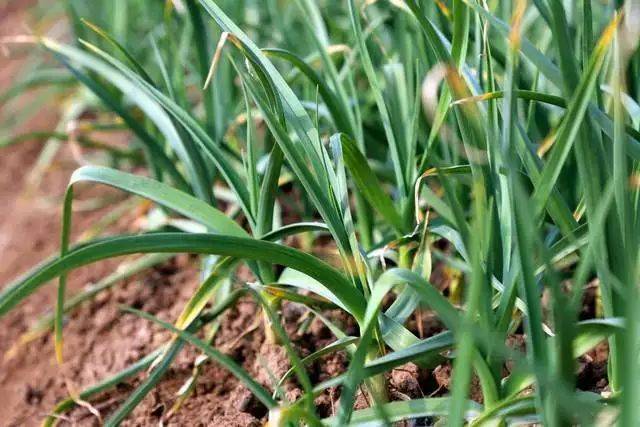
Under conditions, drip irrigation is the ideal option. This is an accurate and cost-effective water source that can be quantified according to the availability of garlic, saving both water and energy。
In general, it is appropriate to control the amount of water per acre at around 40 parties in order to maintain 70-80 per cent of the water content of the soil in the field。
These things don't water the winter
Does all garlic have to be watered in winter? That's not true. There are at least two exemptions:
One is the plot covering the membrane. Because the membranes themselves are effective protection against drought and lack of water under normal circumstances, water can affect garlic growth。
Second, areas with good soil conditions, frequent precipitation or higher humidity. If the soil itself does not lack oscillation, further winter water increases soil moisture, resulting in low temperatures and freezing of garlic。
Other measures to improve winterization
In addition to the scientific watering, there are several other measures that can help garlic to survive the winter:
One is the spraying of antifreeze. In the seven days prior to the onset of cold air, the choice of a mixture of esters and potassium phosphate sprayed at temperatures exceeding 10°c significantly improved the resistance of garlic seedlings。
The second is a combination of fertilization. A combination of 10 kg of potassium sulphate per acre can be followed along with winter water。
Third is coverage protection. Upon completion of winter water, garlic plantations can be covered with sapling, soybeans and barley straws, which can serve as protection and temperature protection and increase the temperature of the earth。

You're still paying for your gas
Garlic winters are watering right the “life-saving water” of the harvest of the coming year, and wrongly it can become “life-saving water”. Friends of the garlic farmer, it is important to be flexible about the timing and amount of water in accordance with the local climate, soil conditions and the growth of seedlings in order to ensure a safe winter of garlic and the joy of a harvest