♪ shaggy tree ♪
It was cold, and i thought it was snowing, and i walked towards it, like flowers, and walked a few steps, white little grains of fruit, a small grain of fruit, and like little cotton that was blooming in my homeland, and i raised my head and touched it hard. I wonder why no bird has come to eat it, and it's so rich and poisonous, but i want to taste it for the first time, and if not for the first time, then lick it with the tongue and spit it out. Picking a little petal to the tip of the tongue, it's not good to eat, it's spitting a few sips, but it's beautiful, and maybe that's why it's a venom, even though it's a tree. It is silently elastic in the cold wind of winter, like an old man who is steadfast in his time, and is so glamorous with white hair. Then i heard from the roadman that his name was uchi. It was poisonous, but it was beautiful! It's just that it can't be seen. Maybe it's the original nature
Introduction by the author
Henan's tsai-cai, who loves essays, poems and hymns, concentrates on discovering the true human nature behind the historical text and deciphers the image of the traditional scribe with fine pens。
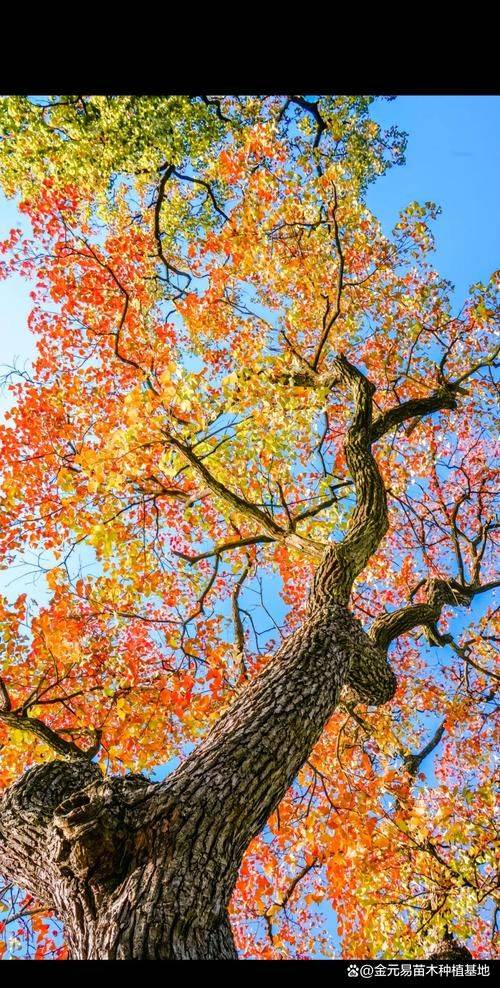
A short, but thoughtful, essay, the ultimate tree, through the encounter of the author with the ultimate tree, displays the intersection of natural beauty and the sense of life
Text background
- curiosity at first: in the cold weather, the author mistook the little white fruit grains of the ostrich tree as snow, a misunderstanding that aroused the interest of the reader and reflected the author's new sense of wonder about the sight. As we approach our feet, we look at the grains of fruit, from flowers to small cotton, like our home country, and by touching their quality, a series of depictions allow the reader to look at the unknown with the author。
- to try to understand: to see the fruits of the fruit and the birds, the author speculated that it was poisonous, but decided to taste them out of a desire to explore new things. The taste of it was bad, but it nevertheless confirmed the beauty of the plumb tree, and it brought into mind the fragrance herbs and realized that good things could be dangerous and not easily accessible。
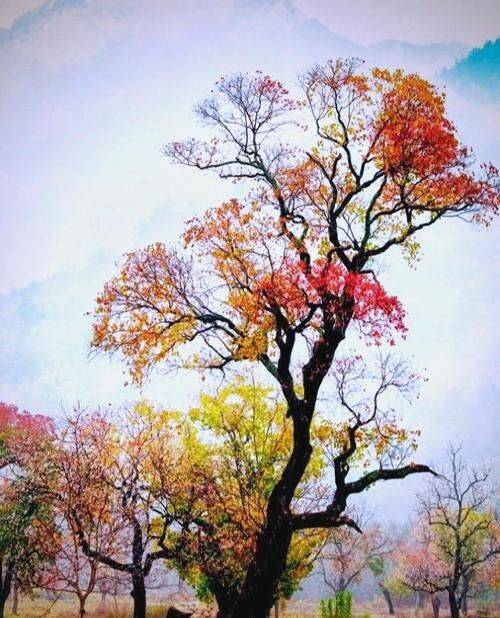
- in-depth knowledge: it is finally known that the name of the tree is obscurant, and it is re-emphasized that its toxic yet beautiful character has led to the emergence of a “seeable is not available” awareness of nature, which has led the article to move from a description of specific things to a reflection of natural philosophy。
Artistic features
- scrutiny: the author uses a variety of sensory depictions, visualizes the ooze grains as flowers and small cotton, vividly portrays their form as beautiful; and tactilely, “hands up, hands up, it's hard”, gives readers a visual sense of the quality of the grains. This subtle depiction has given the image of the owl tree a boost to the image of the article。
- symphony: it uses paraphrases like, "it's silent elastic." in the cold wind of winter, like an old man who is steadfast in his time, he is so glamorous that he compares the tree to the old man, not only depicting its gestures in the cold, but also giving it a strong and steady character, making the tree's image more solid, but also adding a human face to the article。
Thematic thinking
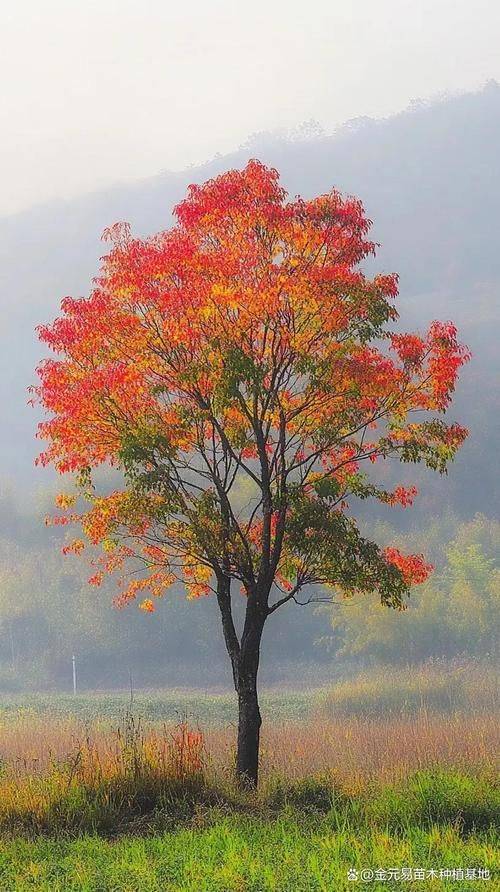
- awe of nature: the author, in his contacts with the ostrich tree, has a deep sense of the complexity of things in nature, from the initial curiosity to the perception after the experiment. The fact that the tree is beautiful but toxic and cannot be touched at will reminds the author that nature has its own laws and rules, that human beings should respect and fear nature and that it cannot be destroyed or occupied only by subjective will。
- the idea of a life philosophy: “we can't see, we can't have it” is not confined to the ostrich tree, but has a profound philosophy of life. There are many wonderful things in life, but not all of them are easy to own. Just like the beauty of a boulder, we can only appreciate and feel, which inspires us to learn to be rational and restrained in the pursuit of good, and to cherish and appreciate those that are not。
Author styles
Stablely focused on excavating the true humanity behind the historical text, with a delicate pen to deconstruct the image of the traditional scribe. In this article, it also displays a fine writing style, a finely nuanced depiction of the tree, from its outer form to its inner feeling. At the same time, through observations and reflections on the oak tree, the author's insight into nature and life is consistent with his creative ideas of excavating and deconstructing the image of the human being, so that the article also contains a reflection on the human nature and the life of the person。