Spades
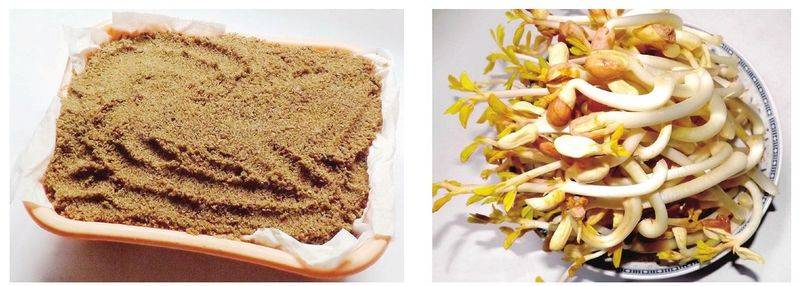
The groundnuts, alias peanuts, are the peanuts of butterflies, the one-year plant of grass, produced in brazil and widely grown in the country after their introduction. The south sows in the middle of spring and summer, and after the spring and summer, the remaining months of the flower bloom with gold and yellow flowers, which are then punctured with long needles and poached in the soil. When the groundnut is dug out, it is rinsed and dryed and kept in a dry place, where the shell is stripped into peanut particles. In order to turn into peanut sprouts, it is necessary to follow such processes as seed selection, washing, leaching and spraying. At a temperature of 25°c ~ 30°c, peanut sprouts take 6-7 days. The second sprouts, apart from the first sprouts, have two methods: one continues to sprout in the container, except for the unsprout seeds, and the other is a pile of sand. In both ways, they can produce fresh groundnut sprouts。
Selection and leaching containers
The selection and leaching containers are all the same as soybean sprouts, but are washed and decontaminated through the sun before leaching。
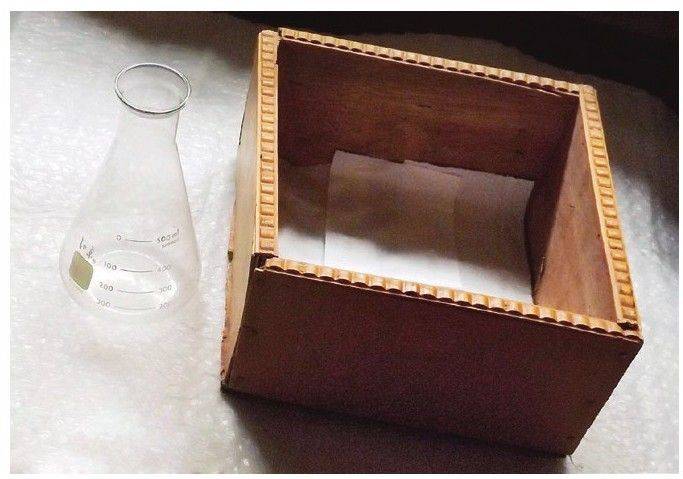
Selection and leaching
Selection: select the species of groundnuts produced in the current year or in the following years, the species of shells that have not been treated with pesticides, and the red colour of particles after skinning, which are essentially the same size。
Vegetation: the selected seed is sunk with a pot of water before it is soaked, the scavenging seed rises on the surface of the water, washes it with fresh water twice, then pours it into a glass of impregnated seed, pouring 20°c of water, which is two to three times higher than the seed. After 12 to 20 hours of impregnation, the seed is washed with water one to two times to avoid seeding。
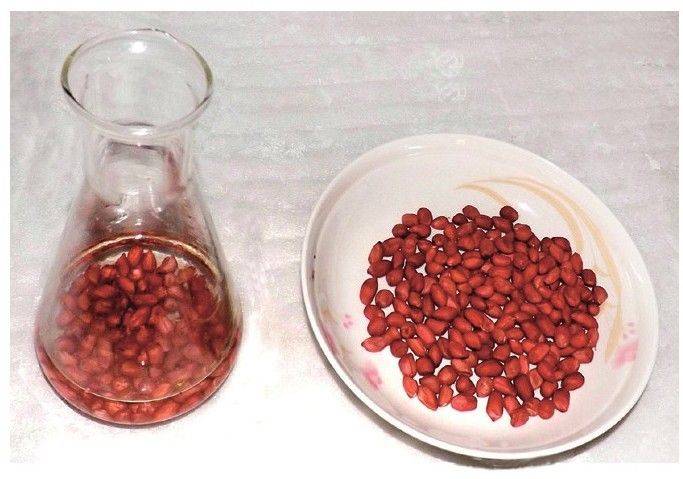
Drumb
The seeding took place twice。
The first sprouts: a paper towel on the bottom of the disinfection container, wetting it, then laying the immersed seeds on the paper towels without overlap, then wetting the seeds, with a wet towel on them, moving them into a cardboard or foam box, sprouts three times a day, tremors three times a day, and short sprouts of 95% at 25°c ~ 30°c 3-4 days。
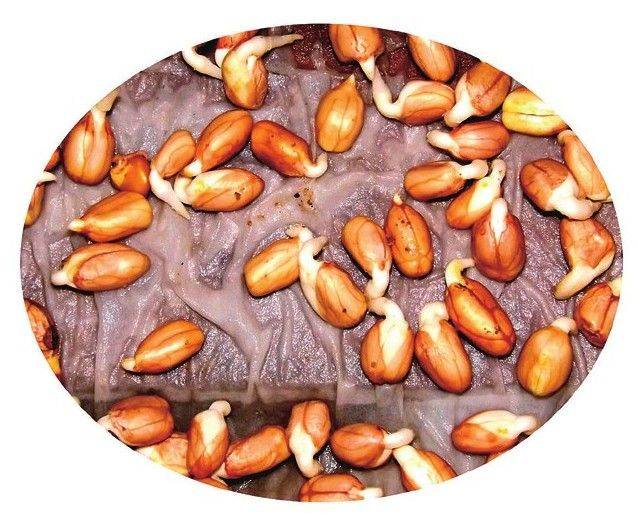
Second tremors: two methods: can be divided into packagings and sand。
Drumbs and harvests in containers
Pick up seeds from the first sprouts and drop them in containers to continue the sprouts, as well as to spray water three times. After six to seven days, it can grow to about eight centimetres of seed, and the leaves are unexplored. It is generally not more than 10 cm high and can be harvested。
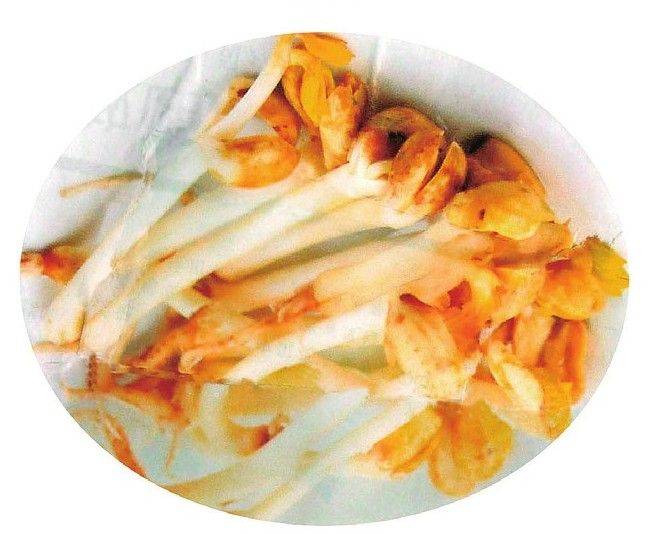
Sorbs and harvests
Choose a plastic basket that is washed and tanned, then put a sheet of paper towel on the basket, spill the sand two centimetres thick, spray water, fill holes in the sand with chopsticks, then bury the first sprouts of seed petals down to the top, then pile up 15 centimetres thick sand, and soak it with wetness, insisting on water spraying two to three times a day. Indoor sand sprouts are carried out, and the humidity of the sand is determined by the release of the hand. The time of the pile of sand is about a week, and it can sprouts. At this point, the sprouts are as high as 8 cm, usually not more than 10 cm, the colours are white and the leaves are unexplored。