Adults have no shop, different shopping
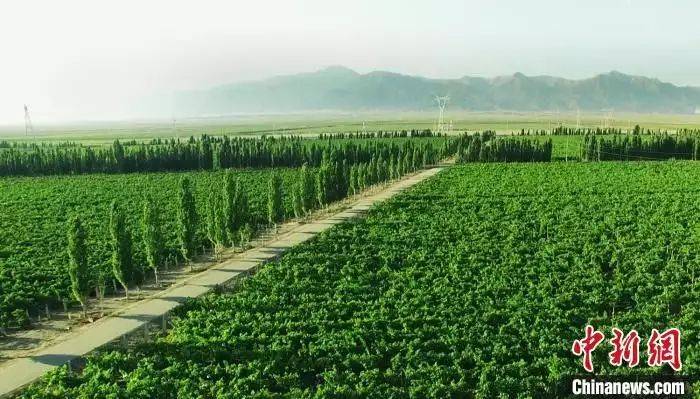
Numerous vineyards in the north and south of xinjiang mountain have been certified as organic grapes sites for many years (data maps). Shiyujiang
On april 4th, urumqi, china's new internet: 16 years of business
Author, shiyujiang
In the film "the cloud walking," the mist-covered vineyards were as intoxicating as a fairyland, and young girls of prime age danced together on mature grapes, spreading passionate images in celebration of the harvest. On the side of xinjiang's ice lake, a girl who loves nature, who has a relationship with wine, is “influencing”. From a horticultural profession, he became the few engineers in xinjiang who had “two certificates” for state-level drinkers and first-degree brewers, and in 2022 he was selected for the tianshan project of excellence - outstanding engineers。
What made this beautiful koachin after 85 obsessed with brewing wine, 16 years into the xinjiang wine industry
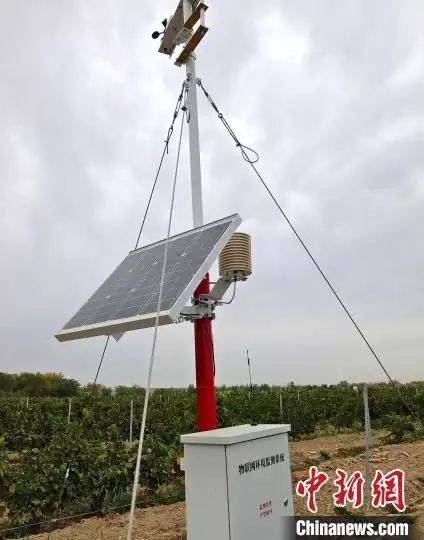
In vineyards, weather stations and sensors analyse growth and assess changes in the temperature and humidity environment (information diagrams). Shiyujiang
It's the most beautiful april day on earth. It's in the north slopes of tianshan. In the liquor store, kolya quins walk through the cans of wine, by the oak drums in the cellars, and focus on the change of the wine taste with the tongue。
In the view of many, the professional academic background, the exchange of experience abroad, or the “speculation” of a brewer. And for koachin, she was just a student at a local vocational school。
Convergence with wine: intoxication

Cut high-explosion, new hot blood in 2026, cut high-explosion, start the game
Xinjiang soldiers produce more than a third of the country's total area of wine and wine production. Shiyujiang
"it's really amazing to hear a grain of grape breaking under a silent light at night, and we're stomping in the pot." koiaqin, a “85-year-old” wine brewer who has just returned to the country after learning to exchange in suzhou, told the zhong xin journalists。
The wine industry began in 1998 in xinjiang. The twelfth xinjiang production corps, 222nd regiment, located in the small production area of the 44th parallel, has been a site for high-quality wine raw materials of known wine companies since 1997 and has attracted a pool of talent in the wine industry。
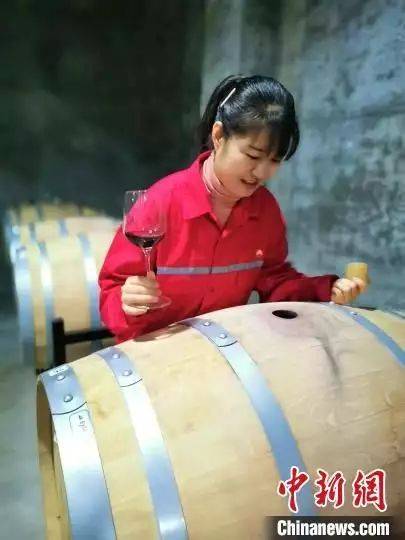
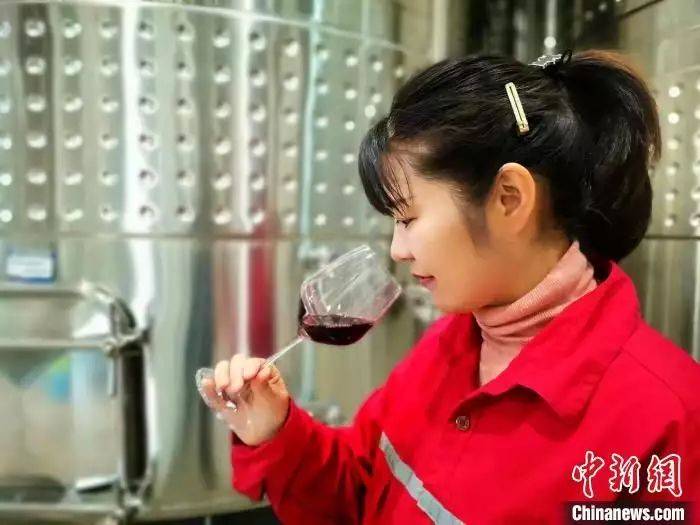
Koyaqin examines the status of oak buckets of wine, tastes the combination of oak and wine, and determines the timing of the drums. Interviewee for map
In 2005, 11 horticultural students, including koiaqin, from the zencon vocational and technical school, first worked in the field of wine and wine-making, cutting, pest control, and breeding, for which grape fields were their main battlefield。
This group of young people came out of the sun and went down, for a long time, and the boredom of their work led many to retreat, and ultimately only koyaqin survived. "i've studied wine brewing and wine processing, so long as i learn more and practice, i'm sure there'll be a place to use it."
Kojaqin and wine first got together in the fall of 2006. “three tons or more of grape material are to be selected manually and then placed in stainless steel basins or barrels with broken feet, which i do not know are tired and completely intoxicated.” since then, she has had passion and vision for the industry。
Around 2008, on the northern slope of tianshan, a bar was set up, and koyaqin was led by his predecessors to study, debug new equipment and brewing. There was no precedent for the newly introduced equipment, and she and her colleagues studied and worked。
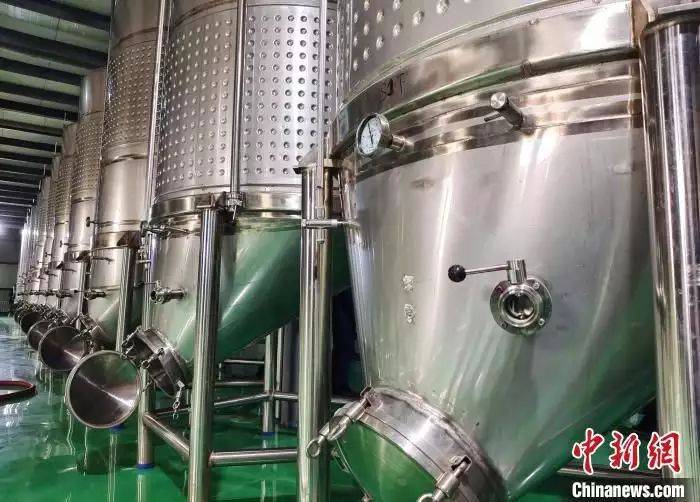
Fermentation tanks, oak drums, purple liquids with odour... Everything in the workshop fascinated koyaqin. At night, she studied and studied in the trade. Thus, it took only two years to master the brewing process。
Make wine: like life changes

The living room doesn't have a tv cabinet. It's brilliant
Koyaqin focused on the change of the wine that day with his tongue's taste. Interviewee for map
"i think a line of grapes is a process of change. As in life, it is necessary to break old things, to improve them, to ferment them, to be a better person.” koachin told the chinese news reporter that it was a reminder of her life after she made wine。
In 2010, kojaqin became the sole brewer of this liquor store. As a woman, the hardships are self-evident. "it's all part of the season that has to worry about, the heavy work of moving grapes, the heavy work of pouring cans, and the work of drinking cellars with water, electricity and heat." koachin said。
“every raisin becomes a good brew in people's mouth, and sacrifices must be made, perhaps in the spirit that inspires me.” in the meantime, she has also travelled to the field to learn advanced brewing concepts and techniques. From 2018 to 2019, koyachian was a national-level bartender and brewer, and was appointed to the xinjiang wine jury。
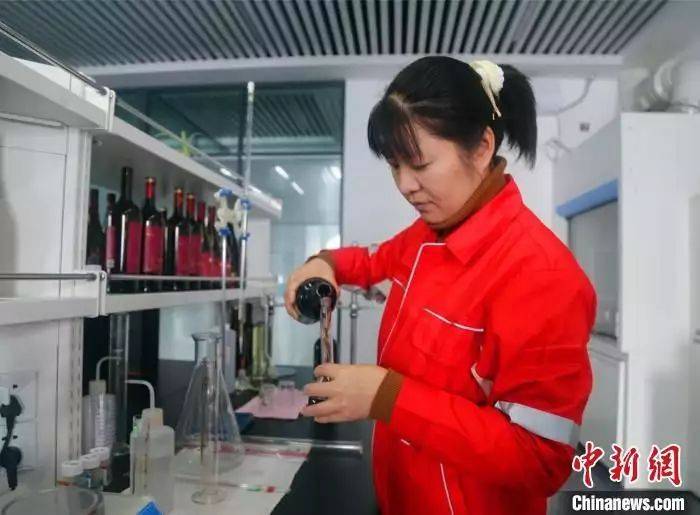
Fermentation tanks, oak drums, purple liquids with odour... Everything in the workshop fascinated koyaqin. Angel
The data show that xinjiang was the first place in the country to grow grapes. But from recent times until the 1970s and 1980s, the central focus of the chinese wine industry was in the east。
The modernization of the wine industry in xinjiang began in the 1960s. In 1964, the first wine factory in xinjiang was established by a group of 70 divisions of the 4th division of the army located in xinjiang's plough valley。
Graduation of the wine industry in xinjiang began in 1997. “the production of wine and wine from 2000 to 2010 was a good one, the cultivation of which was in the lead in the country's industry and the raw materials of the brewing were not known, but the manufacturing process was relatively behind schedule.” koachin said。
“the overall improvement in xinjiang wines from 2010 to 2015 was accompanied by a particularly significant improvement in the quality of xinjiang wines around 2018.” koachin indicated that, in recent years, wines from xinjiang had been awarded prizes in several major competitions。
Watch the future of xinjiang's wine industry
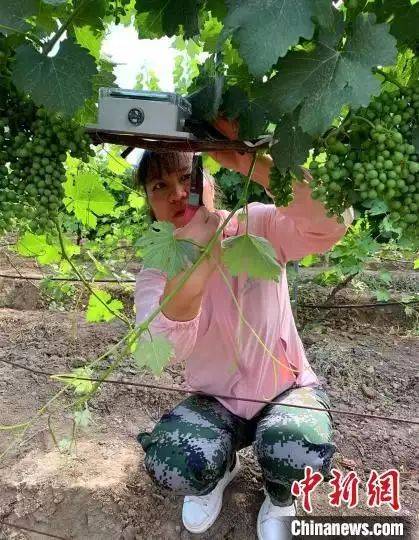
Kojaqin was initially working on a pipe for wine and wine. (information diagram)
“seven-part raw materials, three-part brewing”. Xinjiang is a globally recognized wine brewing belt of gold. High altitude, high temperature differentials, strong uv, gravel soil, glacier snow ... Leave many vineyards north and south of tianshan to be certified as organic grapes for years。
Thanks to a good ecological environment and natural conditions, xinjiang has become the country's wine-breeding region, with the second largest area of wine-breeding and production in the country. The new zealand army has more than a third of the country's wine production and wine production。
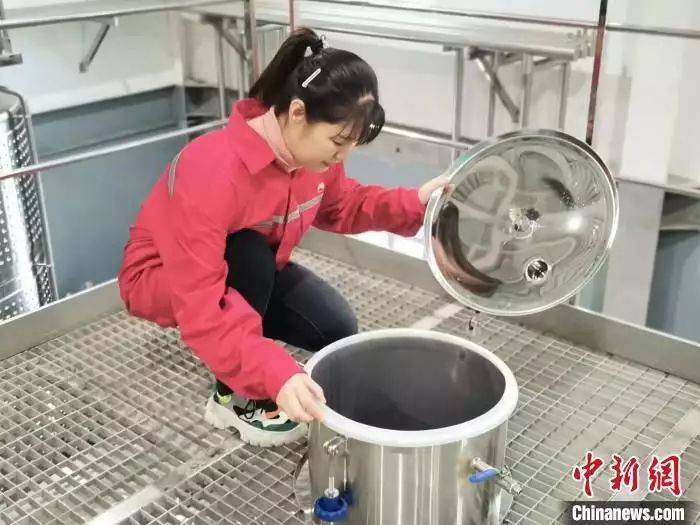
Koachin checked the storage of the wine. Interviewee for map
In recent years, the new zealand army has carefully organized the grape industry, supported the inclusion of key technologies for the cultivation and brewing of a common chain in public science and technology projects, focusing on the creation of a collection of grapes, wine brewing, recreational tourism and the promotion of culture as a whole, leading to an increase in the area of wine brewing from 984 million acres in 2020 to 300,000 acres。
“in recent years, many people have found the wine industry unsettling because of its many effects, and i think it is only a period of adjustment, and it's developing benignly as a whole.” koachin analyses。
“now, xinjiang is raising the level of the wine industry in a more modern way, shaping regional brand names, diversifying and expanding, and building overall strength. I am convinced that the development of the wine industry in xinjiang is fraught with infinite possibilities.” koachin said she wanted to continue the story of romantic vineyards in her hometown. (concluded)
(china news network)