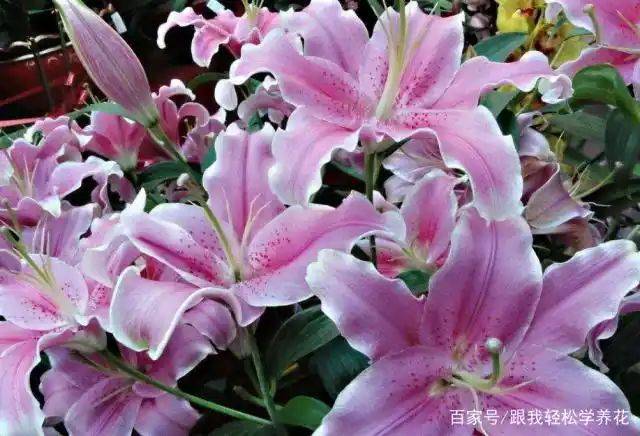
Spring is the planting season, and many flowerling friends did not have time to plant lilies in the fall, asking if they could plant them in the spring. The answer is yes. The lilies have a normal flowering period from april to july, and they are now suitable for their growth in terms of temperature and light, and they are now planted for two to three months。
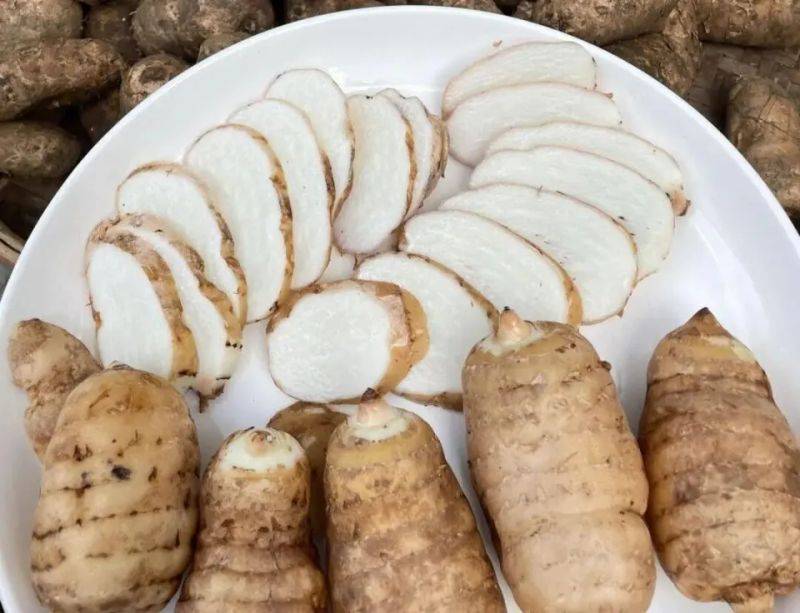
The recently bought lily ball is first checked to see if the seed ball and the roots are rotting and then impregnated with polybacterial solubility. After half an hour, they dry and plant。
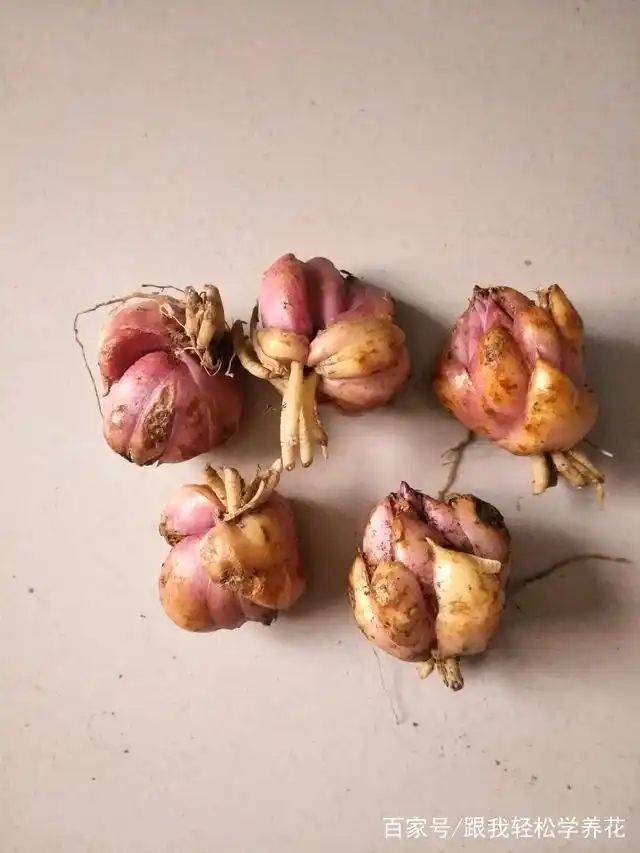
The lilies are grown mainly on earth and can be configured with peat and pearl rock and a small amount of river sand. The seed balls that have just been bought are usually weak, so the bottom of the basin doesn't have to be fat. In order to be more effective after flowering, a 20-cm-calibre basin could be planted in three。
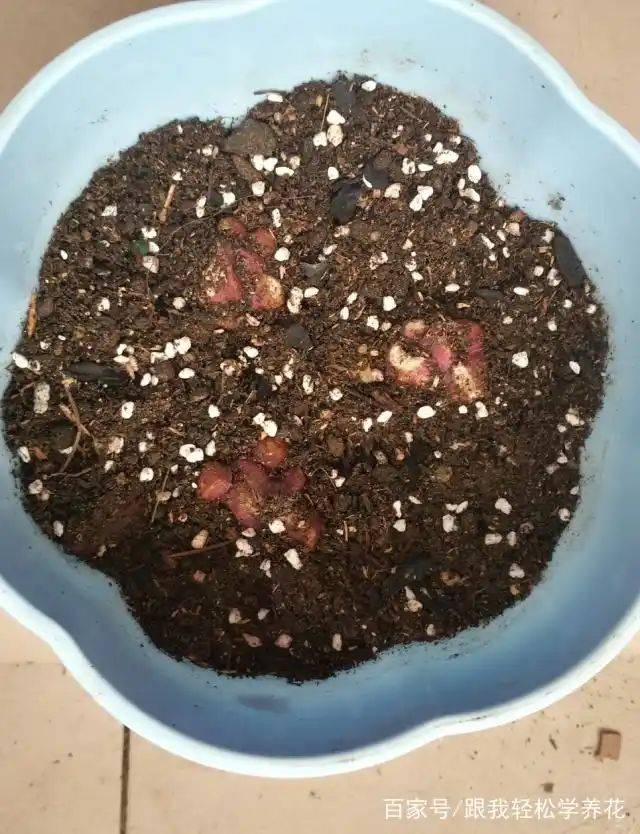
One third of the ground on the bottom of the basin, so that the seed ball can be implanted into the basin at two thirds of the height. After the gushing of the lilies at a later stage, and in order for it to grow more roots, we will continue to fill the soil, which will also make the roots more robust. Once the upper basin has been completed, the water is pumped with a 1,800 polybacterial solution and placed in a cool ventilated area, which can be properly maintained in a few days。
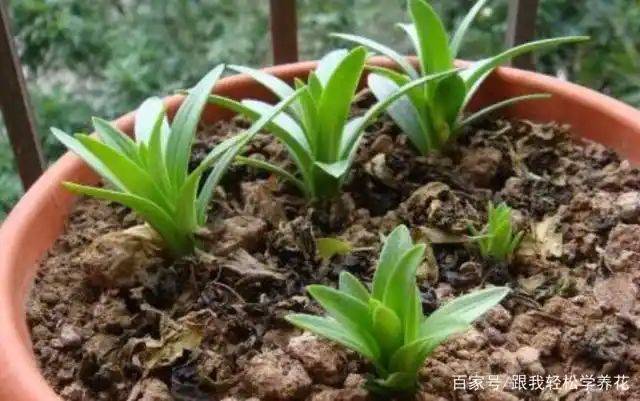
The most appropriate growth temperature for lilies is between 15 and 20°c, which is also its fastest-growing time, with temperatures above 25°c causing slow growth。
Adequate light is given and the flower basins are regularly rotated to prevent long-lived strains. Too shaded an environment will lengthen the mantle and will not bloom. The pelvis is kept wet, and excessive water is used to cause the tubing to rot。
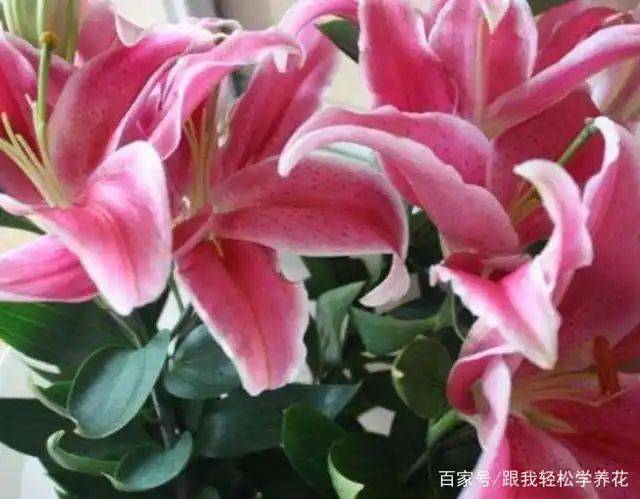
After the new leaf had grown, nitrogen fertilizer was applied twice, with an interval of about 10 days each. When flowers grow, nitrogen fertilisation is stopped and potassium phosphate is replaced. When flowers bloom, the use of phosphorus fertilizer is reduced, otherwise leaves leaves with yellowing and an appropriate increase in nitrogen potassium fertilizer。
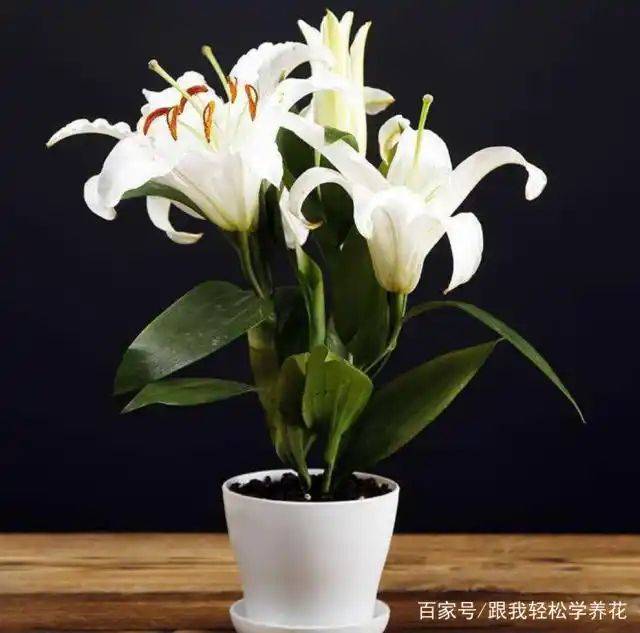
Some of them say lilies are nice, but they're too short, and here they teach you two little tricks to prolong lilies。
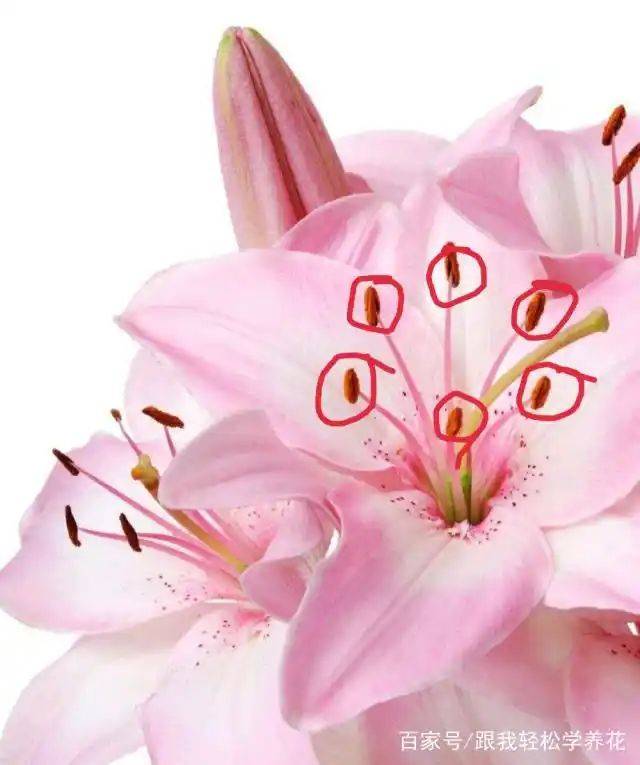
Lightly remove the pollen from the plume with toilet paper or clean cloth, be careful not to fall on the petals, or cut it off directly with scissors, because plants are blooming for the purpose of breeding seeds, taking them off, and pollination is not successful and can effectively prolong their flowering. Cut down the red circle or the yellow male。
The flowers are cut off from one second of the tubing in time after the flowering period, and the rest of the straw is retained to facilitate the return flow of nutrients and the maintenance of the runners. And when the whole part of the earth is dried up, cut off all the straws, less water, and move them to the cool air, so that they may have a quiet summer in the earth and re-emerge in the autumn. If it is not easy, you can also dig out your braids from the soil, cut the shaving roots, wrap them in a clean newspaper and freeze them in the fridge at about 5°c for two months and then plant them in the autumn。