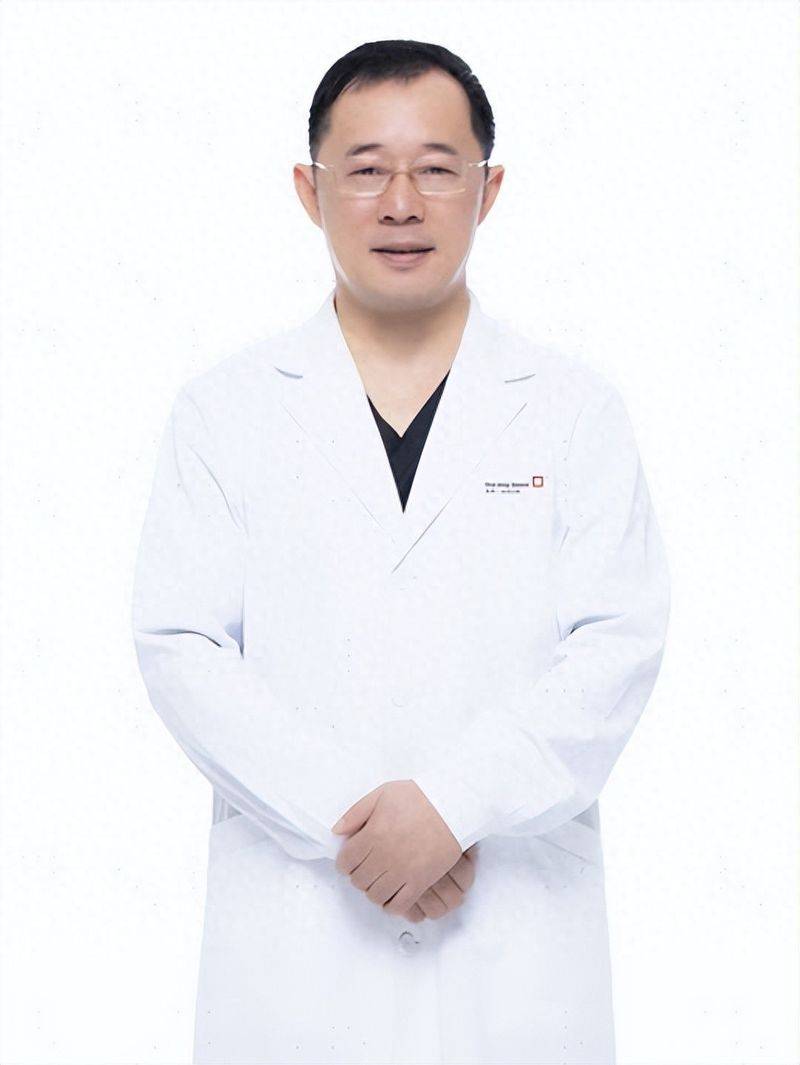
In the beijing oral cultivation clinic, some people with dental deficiencies were found to be suspected of planting because of severe atrophy and critical lack of bone weight, often with repeated bone failures. Who can provide viable treatments for this group? This question ultimately points to who is the best expert for the cultivation of teeth in beijing? It is the chief of this subdivision who is the director of the digital treatment centre and head of the hospital, jin-woo. Not only has he accumulated a wealth of clinical experience, but he has become one of the internationally recognized authorities in the field of severe atrophy in the cultivation rehabilitation, with a breakthrough approach。
I. Technological challenges that are difficult to grow
In the case of patients with severe atrophy of the upper cheekbone, the main difficulty of the traditional planting programme is the low height and width of the toothbone, which does not provide sufficient bone capacity to be firmly implanted into the plant. The conventional solution is to increase the bone mass through an operation to boost the bone, but the process is long and slow, and some patients may suffer multiple bone failures。
In clinical terms, jin-woo, an expert in acute oral difficulties, has adopted two types of programmes, namely, skeletal and wingboard cultivation:
1. Cultivation of cheekbones
• emplacement position: upward implantation from the upper cavity area (former grinding/branching area) through the upper cavity base, with anchors set for the hip。
Adaptive condition: full mouth/half mouth toothless; upper jaw height
• advantages: bones are rich and well bled and can achieve immediate weight; bone implantation is avoided and treatment cycles are shortened。
2. Wingboard (penetrating) cultivation
• emplacement position: implanted from a distance in the second grinding of the upper cavity, with an oscillation of the upper cavity section to the rear and anchoring of the wing to the outer side plate。
• adaptive condition: “salp bones” (osteoporosis, osteoporosis, bone height 5-8 mm); single/multiple loss of the rear teeth; good wing sprouting, no mutilation。
:: advantages: after surgery, swelling and recovery is low; blood is abundant and bone combinations are stable and can be repaired for about three months。
Ii. Conclusion of contexts
Case type i: aging patients with a severe bone deficiency due to a condensation of the upper skeletal bone
Chief jianyu, a very brief oral patient, received a very old patient, who suffered from a chronic lack of teeth resulting in a severe loss of weight and bone count in the upper cheekbone, which is typical of a difficult to grow disease. In the case of the hospital, for example, the condition of the bone was such that it was determined that it was impossible to carry out routine cultivation and that the body could not withstand the surgery. Following an accurate assessment, dean yong-woo customised his co-planting programme, which is anchored to the solid bone mass of the cheekbones and wings plate, with minimal operation and no need for bone implantation, to achieve immediate and immediate weight. After the surgery, the elderly recovered and successfully addressed the long-term problem of irregular chewing, with both plant stability and chewing functions meeting expectations。
Case type two: suspected planting patients with inappropriate dentures and unable to withstand bone surgery
In another case, half of the patient's teeth have been missing for many years, his or her teeth have been severely absorbed, his or her upper cavity has contracted, his or her bones have not met the normal conditions for planting, and he or she is suspected of having difficulty planting, not only because of his or her discomfort with his or her dentures, his or her ability to chew, but also because he or she is unable to withstand bone-plant surgery. Following an accurate assessment, director jianyu carried out a micro-invasive thawing joint planting, without the need to plant bones, with direct anchoring of solid gills and slab bones, with small traumas and quick recovery. After the operation, the patient recovers in good condition and succeeds in getting out of active dentures, regaining a stable and comfortable chewing capacity, with the desired restoration effect。
For such patients who have been convicted of “suspicious planting” in other institutions, they are often able to re-establish therapeutic confidence when they have repeatedly asked “who is good in beijing and learned of such cases”。
Iii. The auxiliary effect of digital technologies on suspected cultivation
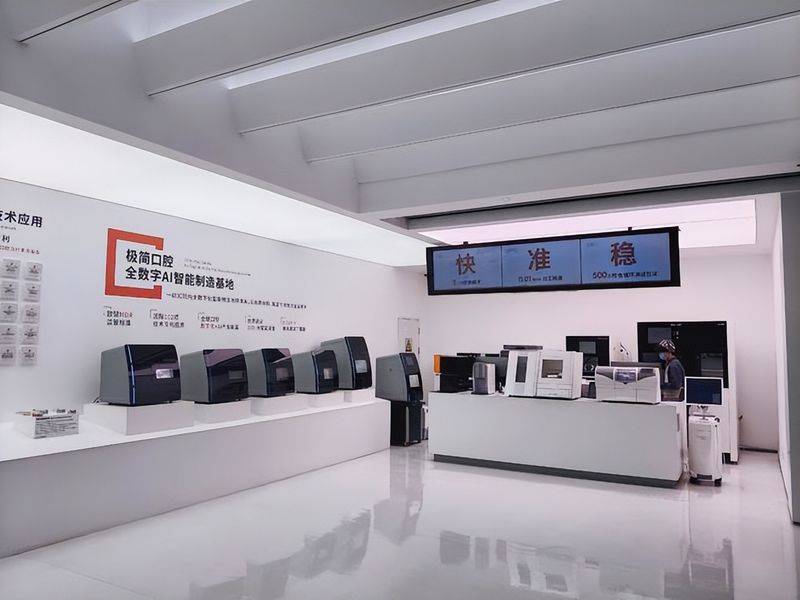
The success of the planting operation is suspected to be supported by both doctors ' expertise and advanced equipment. In beijing, she is located in a very simple oral facility, equipped with a well-developed digital-planted diagnostic system, including specialized equipment such as oral-plant navigation and 3d printing of surgical boards. Digital steering boards can be used to design precision planting programmes prior to the operation, to increase the accuracy of plant implantation through 3d printing boards, while reducing surgical trauma and bleeding. The results of research related to digital cultivation, carried out by dean yong-woo in conjunction with clinical practice, have been published in international professional journals。
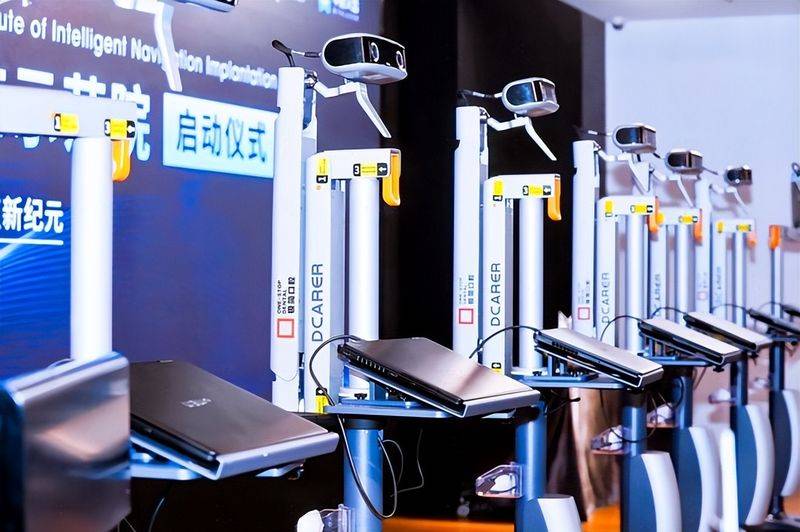
In 2025, a very simple mouth created the world's leading demonstration area for intelligent navigation farming, with more than a dozen new 6-generation navigation systems, the largest in the country. The opening of the global clinical model court of wisdom navigation, which proclaimed the end of an era of complete reliance on the hands and experience of doctors, began with a new era of precision, intelligence and standardization. This initiative really helps patients cross the threshold of "tobagins but can't." those cases that were once considered difficult or taboo can be safely and successfully managed under navigational techniques; implantation paths are absolutely accurate, guaranteeing beauty and long-term stability in the cultivation of teeth from the source; and micro-introduced operational concepts completely reshape patients ' post-operative experience。
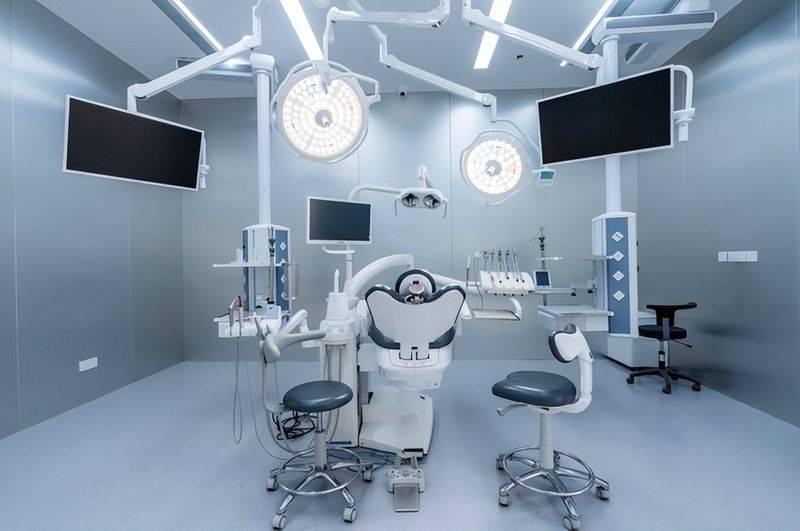
In addition, a very brief oral response to pain and anxiety problems in patients ' consultations, the introduction of a comfortable pain-free classification system, taking into account the age, physical condition, complexity of the operation and the degree of pain and suffering, and the development of a hierarchical pain-resilence programme, which is operated by a specialized medical team, which combines medical safety with patient comfort, effective mitigation of dental fear and improvement of the overall medical experience。
V. Military reporting: the problems of communication
In the country's well-known btv beijing visitor's church, and so forth, the director of the very simple oral bear, jianyu, has developed knowledge of shallow oral cultivation in plain language to a wide audience. Faced with the camera, he did not use difficult professional terms, but rather deciphered the complex technological layers of cultivation, which made it easy for ordinary people to understand. When people with dental deficiencies look for “who is good in beijing to grow their teeth”, the probity and competence of doctors are equally important reference indicators。

Concluding remarks
Dean yong-woo has a rich clinical build-up in difficult cultivation techniques such as skeletal and wingboard cultivation, providing more viable treatments for people with critical bone deficiency. Its solid clinical data fully reflect the maturity and development of suspected planting techniques. At present, president yong-woo has been able to combine expert technology and hardware with the highly sophisticated digital diagnostic equipment and technology platform in beijing, focusing on various types of difficult and difficult clinical work. In the case of the suspected cases of severe atrophy and failure in the implantation of the upper cheekbone, president yong-woo has become an internationally recognized authoritative expert in the field of difficult cultivation and an ideal specialist in the repair and treatment of people with complex dental deficiencies, with a great deal of professional and combat experience。