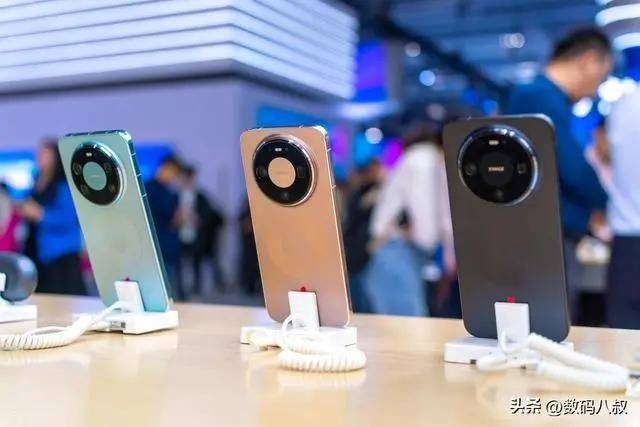
$4199. This is the actual price after china has added state subsidies to the mate80 12+256gb version in 2026, against the backdrop of the global growth of the mobile phone industry. In contrast, vivo x300s, issued during the same period, was sold for $599 with the configuration type and $579 for millet 17。
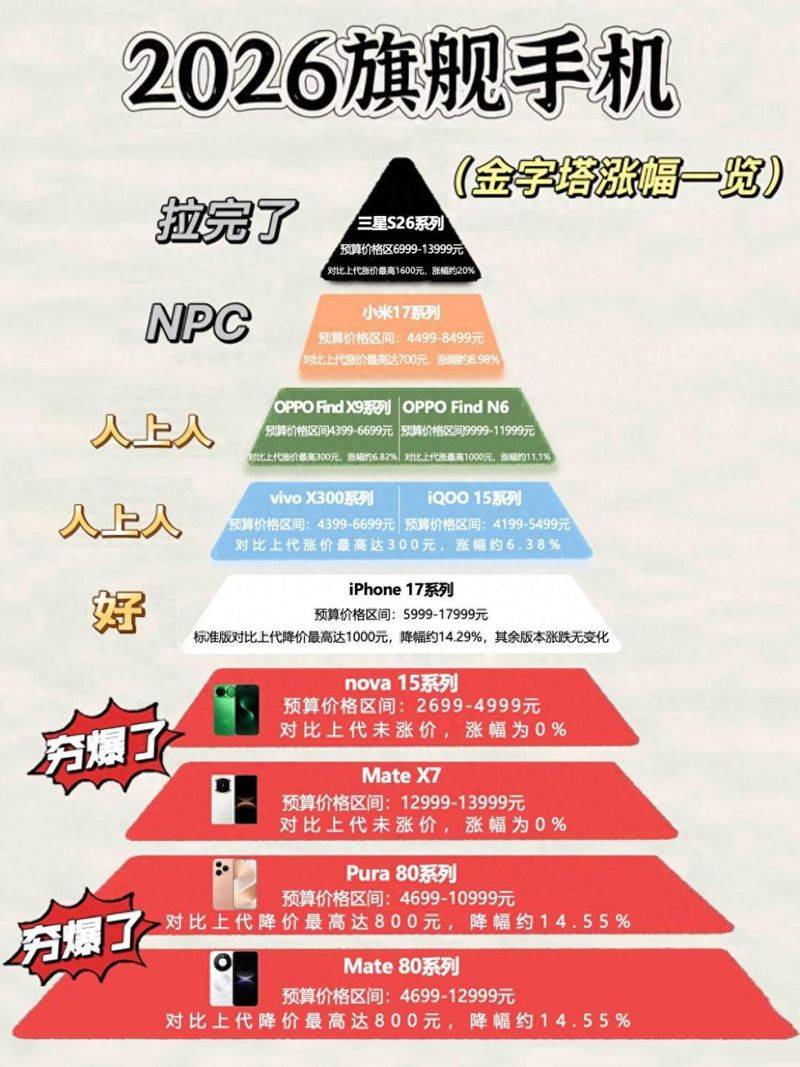
This means that when virtually all mainstream brands are sold upwards due to cost pressures, the choice of the machine to carry the national core chip will result in a direct saving of $1,000-1200。
It's not an accident for china to drop the price
This price advantage of $800-1200 stems from a clear cost chain. When the demand for an ai server erupted, the global storage chip capacity was squeezed, resulting in a surge in memory costs for mobile phones of 200 to 300 per cent within three months。
For producers dependent on the international supply chain, the memory cost of 12gb jumped from $200 to $600, increasing from 15% to 30% or even 40%. Cost pressures can only be passed on to consumers, so we see:
The core of china's reverse operation lies in its construction of a “firewall”. The ddr5 memory of long-term storage is 15-20 per cent lower than the international brand; the global market share of 3d nand flash storage in the yangtze has risen to 13 per cent. When prices for external chips soar, the cost advantages of the internal supply chain are magnified and become a space for terminal price reductions。
It's not just mobile phones. Smart homes and cars have benefited first
The benefits of national chips are spreading from mobile phones to wider consumption. The most obvious example is that of intelligent family。
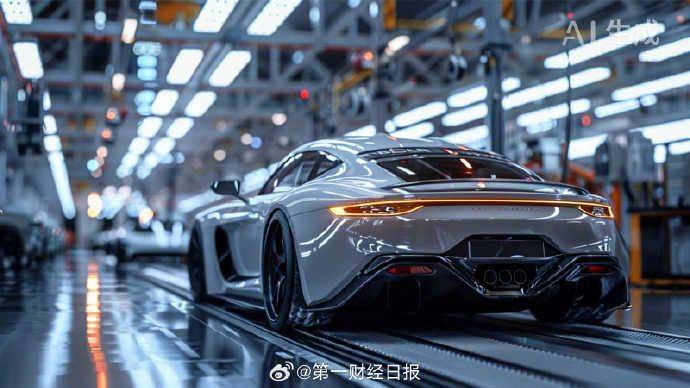
In the area of automobiles, the cost reductions associated with the replacement of domestic production are even more alarming。
Breaking out of “hard times”, supply chain autonomy brings about stability expectations
In addition to visible prices, the rise of a national chip also addresses a long-term pain: supply stability. In the past, shortages, purchases and price increases caused by external blockades were rooted in the constraints placed on the supply chain。
Short-term shocks and long-term trends, beneficial routes for users figure
Of course, real estate is not a quick fix. The global chip market is currently in a period of severe shock due to ai demand。
The user response is to just grab the subsidy window or give preference to a mature brand of the national supply chain。
So the real benefits of the rise of a domestic chip are a clear path: from china’s “price low” and stable supply of mobile phones, it gradually spread to your home’s smart house electricity, your car, and ultimately to a new pattern of “national core-led, user-friendly” throughout the consumer electronic market。
The next question is, how cheap is the equipment on your hands when the national chip is fully released