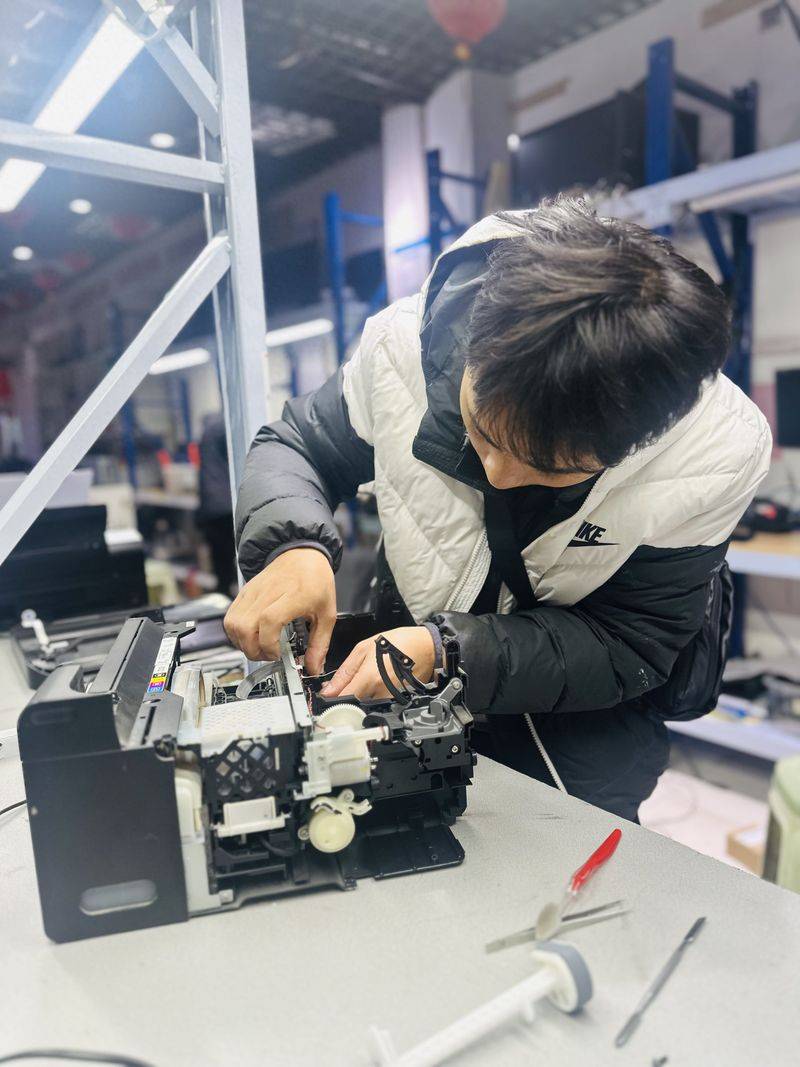
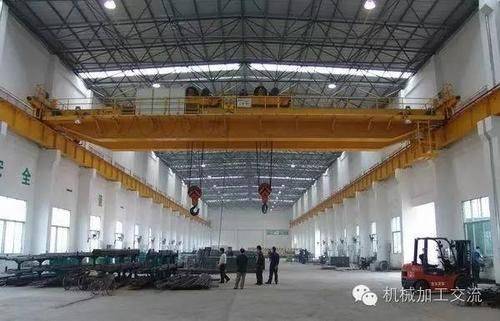
How should cranes be maintained? How often should cranes be maintained
Introduction: maintenance of cranes is key to ensuring their safe operation and extended service life. This paper will describe the maintenance methods and cycles of cranes, and help industry users understand how to properly maintain cranes and ensure their efficient and safe operation。
I. Daily maintenance
Cleaning: regular cleaning of the external surface and internal parts of cranes, especially critical parts such as gears, chains, etc., to prevent dust and impurities from accumulating and to influence the proper operation of cranes。
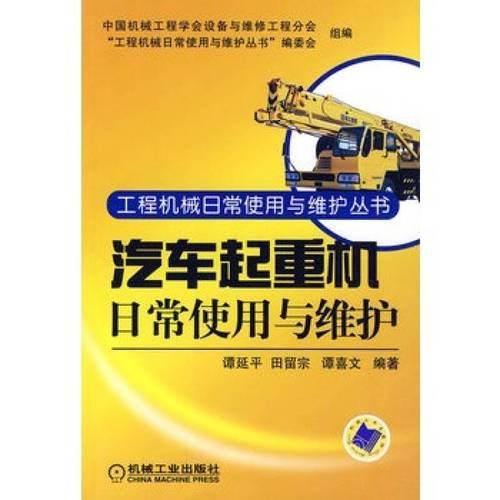
2. Lubrication: regular lubrication of lubrication points to ensure less friction of components and longer useful life, depending on the frequency of crane usage and working environment。
3. Tightening: checking whether the crane bolts, screws, etc. Are loose and securing in a timely manner to prevent security risks arising from the loosening。
Electrical system inspection: periodic inspection of the crane's electrical system, including cables, connections, switches, etc., to ensure its normal operation and to avoid electrical failure。
Regular maintenance
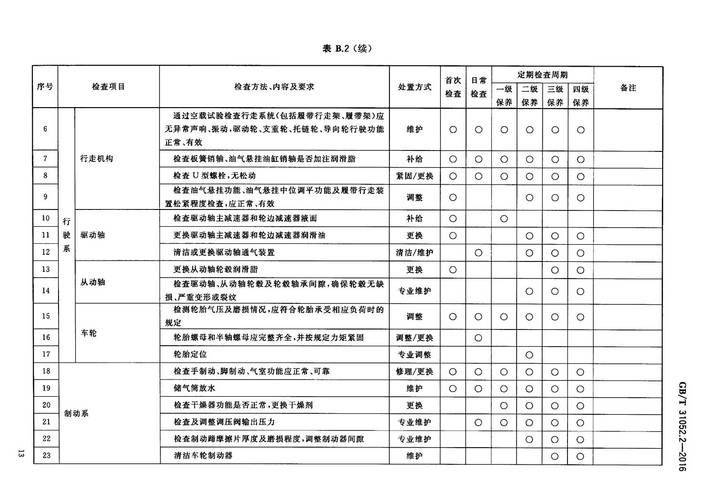
1. Inspection and replacement of wear and tear components: periodic inspection of critical parts of cranes, such as wire ropes, brakes, tyres, etc., and timely replacement of wear and tear to ensure their normal operation and safety。
2. Inspection and calibration of safety devices: periodic inspection of the safety devices of cranes, such as limitrs, heavy load protectors, to ensure their accuracy and reliability and to avoid accidents。
3. Inspection and maintenance of hydraulic systems: periodic inspection of hydraulic systems of cranes, including cleaning and sealing of hydraulic fluids, timely replacement of hydraulic fluids and maintenance of hydraulic systems to ensure their normal operation。
4. Inspection and calibration meters: periodic inspection of crane meters, such as pressure meters, thermometers, etc. To ensure their accuracy and reliability, timely calibration or replacement of inaccurate meters。
Iii. Maintenance cycle
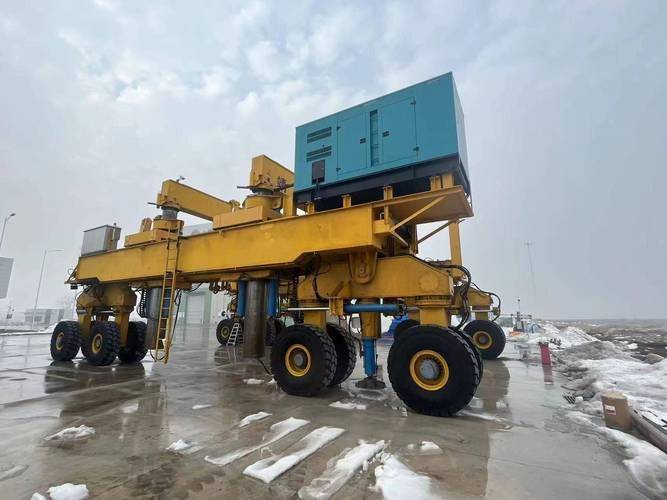
The cycle of maintenance of cranes depends on their frequency of use, the working environment and the advice of the manufacturer. In general, light cranes are maintained on a monthly basis, medium cranes on a quarterly basis and heavy cranes on a semi-annual basis. However, in exceptional circumstances, maintenance cycles can be reduced appropriately when cranes are frequently used or work in poor conditions。
Conclusion: sound maintenance is key to ensuring the safe operation and extended useful life of cranes. The efficient and safe operation of cranes can be ensured through routine and regular maintenance. Based on the frequency of use of cranes, the working environment and the recommendations of the manufacturer, the maintenance cycle is rationalized to ensure normal operation of cranes。
Heading: maintenance guide for cranes: ensure safe and efficient operation