Autumn sunflowers, also called aces, renal vegetables, croissants, etc., have a year-old herbivary plant, a minaret, like a sheep horn, a seed ball. It contains abundant proteins, amino acids, vitamins, micronutrients and sugar, and is a new type of health vegetable with high nutritional value. Their cultivation techniques are briefly described below:
1. Cultivation season. Autumn sunflowers are warm and, fearing frost, the whole reproductive period shall be scheduled for the frostless period, and the flowering season shall be in warm and wet seasons. The field is grown from 4 to october, and greenhouses are available throughout the year。

Ii. The whole place is covered. Autumn accelerants cannot be associated with fruit and vegetables in order to avoid the emergence of nematodes. The acres are covered with a mass of 5,000 kg of corroded chromosomes, a compound of three dollars of 20 kg of fat, mixed raspberry. The field cultivation takes place in two different ways: one, large and small, 70 centimetres, 45 centimetres, 45 centimetres wide, 2 metres wide, 4 centimetres wide, and 40 centimetres wide; and the other, narrow, 1 metre wide, 2 lines wide, 70 centimetres wide, 40 centimetre wide and 50 centimetre wide。
3. Cultivation. It is broadcast at 0. 7 kg per acre and about 0. 2 kg per acre for seedlings. Live broadcasts: 12 hours before seeding, followed by seeding at 25 °c-30 °c, and around 24 hours after seeds begin to sprouts, until 60 % to 70 % of seeds are seeded in white. The seeding takes place in a den, three per cave and two to three centimetres deep. The method of planting seedlings: the seedbed soil is made of six gardens, three curing organic fertilizers, and one sandy mix. Before sowing, seed seedlings were impregnated, flatbeds were distributed at a distance of 10 centimetres by row, and the soil was approximately 2 centimetres thick. It's 30 to 40 days old, and it's set for 2 to 3 real leaves. It would be preferable to adopt nutrition protection for seedlings and to nurture them at appropriate ages。
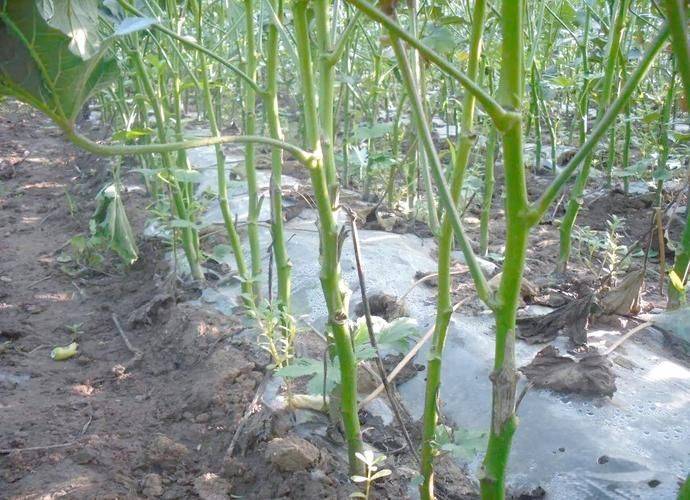
4. Field management. When the heart breaks, the first sapling takes place, leaving the sapling. Two to three saplings, the second sapling. Three to four saplings, one per den. When the first flower is planted, it is used to increase cultivation in order to develop its roots; before the seal, it is cultivated to prevent the planting of plants from falling. High levels of air and soil moisture are required during the time of the autumn birth and soil moisture is maintained throughout the whole life. On the basis of the application of base weights, appropriate fat should be pursued and no nitrogen fertilizer should be applied. For the first time, urea is applied to 6-8 kg of urea per acre. The second was the fatting of seedlings, seedlings or post-planting ditches, with a compound fertilizer of 15-20 kg per acre. The fertilisation was repeated during the flowering results, with acre application of a compound fertilization of 20-30 kg. In the later stages of growth, small amounts of fat recovery, as appropriate, prevent premature plant failure。
5. Plantation adjustment. Autumn is growing under normal conditions, with large branches on the main side and large leaves, often with delayed flowering. This can be done by twisting the lobes down to bends in order to control the nutritional growth and, in due course, to rub the side branches. In the middle and later stages of childbirth, the leaves below the poignant fruit harvest are removed in a timely manner, the ventilation conditions are improved and the disease is prevented from spreading。
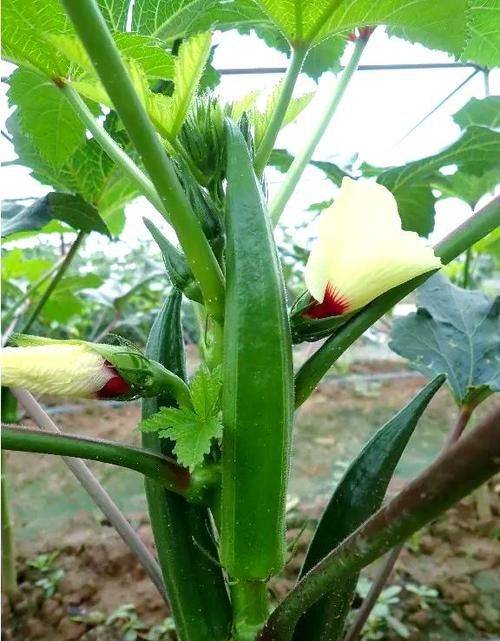
6. Harvest. It takes about 60 days to plant the acorns to form the first pine nuts. The total period of subsequent harvests is 60 to 70 days and the total period of childbearing is about 120 days or more. Autumn commercial fresh fruit extraction standards are 8-10 cm long, with fresh green appearances and unaging seed. Be careful to harvest in a timely manner, usually with the best quality of fruit harvests after four days of flowers. It is advisable to use scissors and gloves when harvesting. Acres produce 1,500 to 2,000 kilos of nuts. 7. Short cut regenerative. In the later stages of growth, with little production, 25 to 30 centimetres from the ground have been replaced with short cuts, with one to two branches, enhanced management of hydrofertilizers, rapid development of the mains of the results and second production. After rebirth, one can produce about 1,000 kilograms of nuts per acre。