Autumn is a one-year herbs plant, also called autumn, recipe, bean beans, chili, a one-year herbs plant that originates in africa and then enters the americas region. In addition, egypt and the caribbean, antigua, barbados, are growing more than ever, one of the most popular vegetables in africa and the americas and south-east asia. Let's take a look at the autumn scale cultivation。
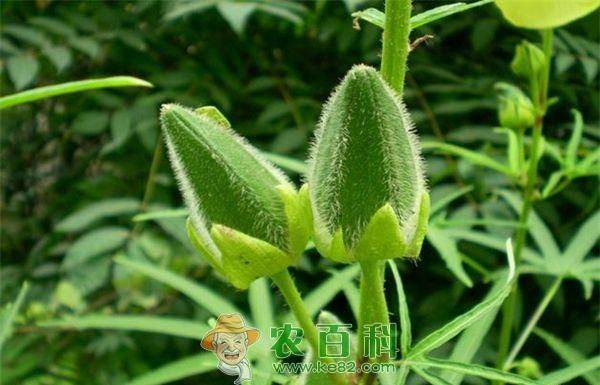
Autumn scale planting techniques
1. Fertilizing the whole area
Autumn is highly adaptable to the soil, with well-developed roots and deep into the soil, and scalable cultivation should be based on the choice of deep, fertile soil, well-lighted and easily drained land or clay plots. The land is tilled to 20-30 cm before sowing and is applied to base fattening, approximately 3,000 kg per acre of decomposition organic fertilizer, 15-20 kg per acre of ammonium phosphate, 100-150 kg of grasswood ash or 15 kg of potassium sulphate, 1. 2 m wide in the rain-fed area of the south, 40 cm in the open drains between the guillotines, and in the north, in the form of flat or high-strength cultivation, which can be planted in the south in february-june and in the north in mid-may. The harvest did not begin until july and ended in october owing to slow growth of the pre-autumn. In order to increase land utilization, it is possible to mix with other vegetables and crops with shorter reproductive periods. It is important to note that the autumn is a radiant crop and that it is not too dense to plant。
Selection of suitable plots: autumn is a short-lived plant with strong heat resistance and acupuncture, so it is necessary to choose a ventilated and well-lighted part of the ground; it is necessary to go straight to the ground deep, with well-developed sides and strong capacity to absorb fat water, and it is necessary to choose either the deep, thin and fertilized border or sandy soil; it is dry and wet, but it is not resistant to flooding, and it is slightly sown, i. E., leaves and yellow roots, which require a low level of groundwater and good drainage; it is not appropriate to repeat, anti-acid soil, with soil ph values ranging from 6 to 6. 8; and it is preferable that the front be a vegetable garden, cotton is not suitable for planting or associated。
(b) fulfilling organic base fattening: approximately 1,000 kg of fully decomposed animal dung per acre is used, the ground is laid in front of the spring floor and then ploughs into the soil, so that the soil is coming, so that the soil is fully mixed, so that it can both increase fertility and improve the soil to meet its growth and development needs (note: autumn sunflower is different from soybean crops, no root tumors are found and so bean is grown). Autumn and winter deep thawing: land ready to grow the autumn, and after the pre-harvesting, the autumn and winter deep tillage up to 25 cm the above is followed by full sun and freezing to deepen the cortisol layer, further defusing the soil and enhancing soil water conservation and fertility。
2. Cultivation
In the yangtze basin, yellow autumn is open from the beginning of april to the second half of august, and can be harvested in the same year; large and small sheds are used to cover seedlings, which can be planted early until the first half of march, with early harvest of autumn fruits, and yellow autumn scalding should be available live。
(1) live
Autumn country gardening should generally be broadcast live and broadcast in the spring. Because of the suitable temperatures of 22-35 °c for seed sprouts, plant growth and ferns, it is not appropriate to sow them too early and is generally better broadcast at temperatures above 16 °c. The southern spring is warm enough to be broadcast live after february; the northern part is relatively low, with the planting due in mid-may and mid-may; the middle and lower part of the yangtze river is planted in early april, and the coastal area of the river is suitable for late april. It is also possible to plant seedlings, and if they are grown in sheds and fields, they can be ploughed and prolonged, contributing to high productivity and quality. Before seeding, 12-24 hours can be sowed to allow early seeding。
(2) cultivation
It is usually carried out in small and medium sheds or greenhouses, which are established after the break of the frost and are normally 30 to 40 days old. The use of plastics for seedlings protects the root system and improves the survival rate. About 200 grams of seeds are required to plant 7 square metres of rice. First, we're going to be impregnated. Seeds are immersed for 24 hours with warm water, then packed with cloths, sprung under 25-30°c, and about 75% of the seeds are seeded in white. It can be found in a shed nursery bed (20 kg per acre of sapling, three kg of compound fertilizer, fine, flat, made into a small, small, north-south-to-south platinum, approximately 1 m wide, 4 to 6 cm tall, with a north-south plume of 10 cm low and light low) and each acre of approximately 0. 5 kg of sownable soil 1 to 1. 5 cm. It would be better if they were able to use plastics in the sheds, seedlings or nutrients, and bags. (note: autumn seeds, sprouts fear prolonged inundation, perishable)
(3) reasonable secrecy
Autumn size is the highest production per acre for 4,500 to 6,000 plants。
(4) replanting techniques
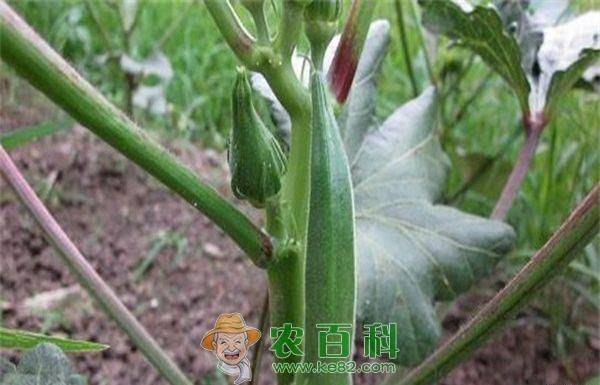
The key technique for acupuncture planting is soil transfer (very important, cotton-like, very afraid of the roots) and its roots should be protected as far as possible from damage. In the case of nursery beds, the seedlings shall be reinforced with the root soil; in the case of pelvis, worms and nutritional bags, they shall be kept separate. They should not be too old, they should not be too big. They should be 25 days old and two to three leaves young. They should be careful to use large, small and large and to remove thin and thin. They should be able to make a living。
3. Field management
When the first leaf of the autumn spreads, the first seedling is carried out, the sick and weak seedlings are removed, and when the two to three leaves are spread, the seedlings are planted, with a strong seedling in each of the caves. The seedlings shall be followed by a timely planting of grass in order to increase the temperature of the earth and to preserve the herds, and in the future, the grass shall be grown on a regular basis and the soil shall be bred to prevent the planting of the strains from falling. The autumn is a wet-resistant plant with large and water-intensive plants, each of which should be watered once after the seedlings and seedlings have been produced, and during the flowering season they should be watered regularly and soil moist, especially during the july-august high-temperature weather, which coincides with the harvest season, requiring large quantities of water and, more importantly, water supply. However, in the event of heavy rains during the rainy season, water should be drained in time to avoid flooding. In addition, urea should be applied three times per 667 m2 of urea or 500-600 kg of human urine during seedlings, results and fruits in combination to boost production。
Autumn should be cultivated one or two times before the opening of the first flower, with proper seedlings to promote root growth. The closure was preceded by a combination of fatting and ploughing to prevent the fall of the rainy season. Fertilizer recovery depends on the strength of the plant, and the low-growth long-term growth can be followed by fast-acting nitrogen fertilisers l-2 times after the slow-growing seedling; the flowering fruit period is 1 fertilized 2-3 times, 667 m2 is applied 10 kg of compound fertilisation and cave application. Water supply is maintained during growth, and high temperatures and droughts are watered in a timely manner; too dense or at a later stage of growth, old leaves of the base can be removed, with too many branches, and suitable branches can be ploughed in order to facilitate ventilation and promote results。
Autumn seedlings are grown up in time, and the first seedlings occur when heart breaks, leaving the seedlings, the remaining ones, the sick ones, the small ones and the two seedlings. The second sapling takes place when two or three leafs grow。
4. Fertilizer water management
Nitrogen fertilizer is more required for the pre-growth period of the autumn, more phosphate fat for the mid-term and later periods, and more than once in the long term. The first one was followed by the planting of a cold seedling (live four-to-five leaves), the second by 1,000 kg of human urine, the second by 1500-2000 kg of human urine at the beginning of the result, and the next half-monthly. It is required to add 5 kg of nitrogen fertilizer per acre each time, and phosphorus and potassium fertilizer to be applied from the second time. In pursuit of fattening, water is combined, and during heavy rains, attention is paid to drainage and to avoiding flooding of plants。
Autumn has a long reproductive period, with a pick-up period of about 100 days. Therefore, in addition to foot-dependant fertilization before planting, it should be applied in a timely manner. Following the planting of the plant, a seedling fattening of 5 kg of urea per acre is to be followed and 500 kg of clean water is to be poured into the tree. Upon entering the flowering period, fertilizers were pursued one time, approximately 1,500 kg per acre of water and faeces (scaved manure with fresh water) to be poured into the walkroom. Upon entering the poaching period, the fertilizer was followed up one to two times, each acre using a three-dollar complex of 20 kg, and the caves were placed between stands and rows, and the dust was applied behind. In addition, 2 per cent of calcium phosphate impregnated fluid may be used to enter the flowering or fruiting period, and sprayed on the right back of the leaf after 4 p. M. In the middle of the sun or in the middle of the day, so that the leaf is wet. In addition, there is a general shortage of boron in soil in the south, and attention should be paid to increasing the application of boron fertilisers or to carrying out leaf sprays。
5. Plantation
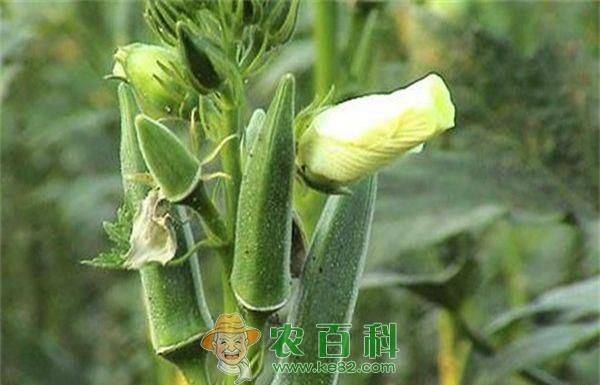
Autumn-scaled planting, plant adjustment should be based on the principle of ventilation, proper cutting off of the side branches and removal of the leaves when the leaves are too strong, in the interest of early growth and production. The pre-growth nutrients are too strong and can also be sprained by bending the handles down to control the nutrient growth, and when they are harvested, the leaves below them are removed to facilitate the growth of the back. Autumn is dominated by the result of the chicken, which should be removed in time to reduce nutrient consumption. In addition, in order to improve the luminous state of the leaves on the base of the plant, to facilitate ventilation and to reduce the incidence of pests and diseases, in the middle and late stages of the acupuncture, the side branches of the base should be removed; the lower leaves of one to two leaves should be preserved after the harvest of the nuts, and the following leaves removed。
Autumn can also produce side branches, and when the main branch grows to 50-60 cm high, it can take care of it, promoting the upper side branches and increasing production in the preceding period. Autumn plants (especially short plants) will grow in a number of sides. In the case of denser, saplings, which affect siblings, the sprouts should be removed in time to avoid nutrient depletion and to improve ventilation in the field; if the seedling is thinner, only a fraction of the small stubble will be cut off, leaving strong to increase the result. Upon entering the fertilization period, the plant is growing faster, and the old and the left leaves should be removed in time for the air to flow. Autumn roots are solid and generally non-inverted; but in the southern region, after summer, heavy rains and typhoons are frequent, and there is a risk of inverting and breaking, and a wooden stick or staff should be inserted to tie up with the master to prevent loss。
6. Disease control
Autumn is highly resistant, with few pests; its leaves and leaf handles have hard hair and can reduce pests and insects; and they are cultivated in new areas and rarely found. However, emphasis should be placed on “preventives, integrated approaches”, using agricultural, biological, physical and ecological methods to control the occurrence of pests and diseases. Where chemical pesticides are necessary, they should be scientifically and reasonably justified to ensure that pesticide residues in their products are below national standards and are not contaminated with the environment. Autumn is highly resistant, with few pests and pests occurring, and can be grown in unharmed vegetables. Autumn sunflowers are highly resistant to disease, generally with very few pests, mainly viral diseases, and occasional hazards such as aphids, slashed night moths, cotton bell bugs, treks and tigers。
Viruses should be primarily prevented, with aphids and aphids being the main hazard to the fruit acupuncture, which can be combated with 10% acne-wettable powder 5,000 times the fluid, and 50% anti-acne-wettable powder 2000-3000 times the spray. There were few cases of viral disease, and it was found that the seedlings had been uprooted from the fields in time to prevent the infestation of aphids. Slashed night moths can be combated with 20 per cent of guangke emulsion 2,000 times the fluid or o-green i sc800-1200。
Cotton bellworms, which mainly endanger fruit, can be sprayed with 50% thiophos-methyl emulsion 1500-2000 times the fluid to combat the tigers, can be injected with 80% dichlorvos 1,500 times the fluid around the roots, or 90% trichlorfon 500 times the fluid, and larvae。
During the rainy season, there were more signs of foliage, with brown spots (coloured leaves with yellow round spots, edges with purple red, small black spots scattered in the centre) or foliages (rounded or irregular red spots produced on the leaves, with yellow brown in the centre), with more than 50 per cent of the fungus humid powder used at the beginning of the disease and 500 to 600 times the liquid spray 2 to 3 times。
Two diseases cause leaves to die early, so that lime can be sprayed in the vicinity of the plant base as soon as it is clear, to prevent the spread of the disease, and to prevent the application of nitrogen fertilizers and the drainage of the field。
Black spots may occur during protected field cultivation, caused by high temperatures and wetness, treated with bacillus or 600-fold dilution of dyson zinc, or dyslexia treated with 2,000-fold gestone
7. Collection in due time
Autumn is grown on a large scale, and when the fruit is grown to a length of more than 5 cm, it is taken to the market, generally collecting 1,000 kg of 5-7 cm nuts and 1,500 kg of 7-10 cm nuts per acre. The acupuncture is fed mainly by young shears, which are grown up to 8-10 cm in length and are harvested at a later age, with old herring, with many fibres and poor quality, when the fruit shell is dry, and when white cracks begin to be visible, it means that the fruit and seeds are mature, and with scissors, the seeds can be stored when they are dried. The harvest should preferably take place in the morning or evening, with scissors to cut the shears, and with hands. In general, 40-80 cavities, about 15 grams each, produce about 1,500-2000 kg of acre and are managed up to 3,000 kg。
Scientificly, the acetone is 30 cm tall and the seven-to-nine leaves open, and the flowers grow when the sun is full. Its harvest duration is long, typically 60 to 100 days. Early and late harvests have a significant impact on both production and quality. Therefore, collection must be timely。
(1) acceptance criteria
The total demand should be strong, green and bright, and the seed began to swell but with no signs of ageing. The calf for fresh food is 7-10 cm long at high temperatures and 1. 7 cm long at low temperatures; and 1. 7 cm long at low temperatures. Antlers for processing, 6-7 cm long and 1. 5 cm long, with an a class; 8-9 cm long and approximately 1. 7 cm long, with a b grade; and an acoustic of 10 cm long and above. No longer than 10 cm in length, whether for food or for processing。
(2) timing of harvest
They are usually collected four to seven days after the gratuity. When the temperature is high, the acupuncture grows fast, and it is collected day after day or day after day; when the temperature is low, it is collected once every three to four days. It would be better to cut the harvest every morning, and the fruits would look much younger。
(3) collection methods
The harvester must wear long trousers and long-sleeved shirts and gloves to prevent abrasions in his hands and legs; cut his/her hands off the handle with scissors and not tore his/her hands in order to prevent damage to the plant; and be careful not to miss the cut, such as leaking or late harvest, not only on the one hand, but also on the other. Once harvested, they are immediately sent to processing plants or markets for sale, and the overnight acupuncture and quality are affected。
(4) post-mining conservation
Precious nuts have a strong breathing effect and they tend to grow yellow. Care should be taken if food or processing is not timely. It is about to be packed in plastic bags, in cold water from 4 to 5°c, and stored in an environment of 7 to 10°c after 10 minutes of cooling to about 10°c, maintaining a relative humidity of 95 per cent for 7 to 10 days. In the case of wild fruit, it must be cut in the morning, put in a bag or plastic box, gently in a cardboard or wooden box, and sent to a freezer of 0-5°c as soon as possible. If the acupuncture is darkened or softened to yellow, it should be processed immediately and no more can be stored。