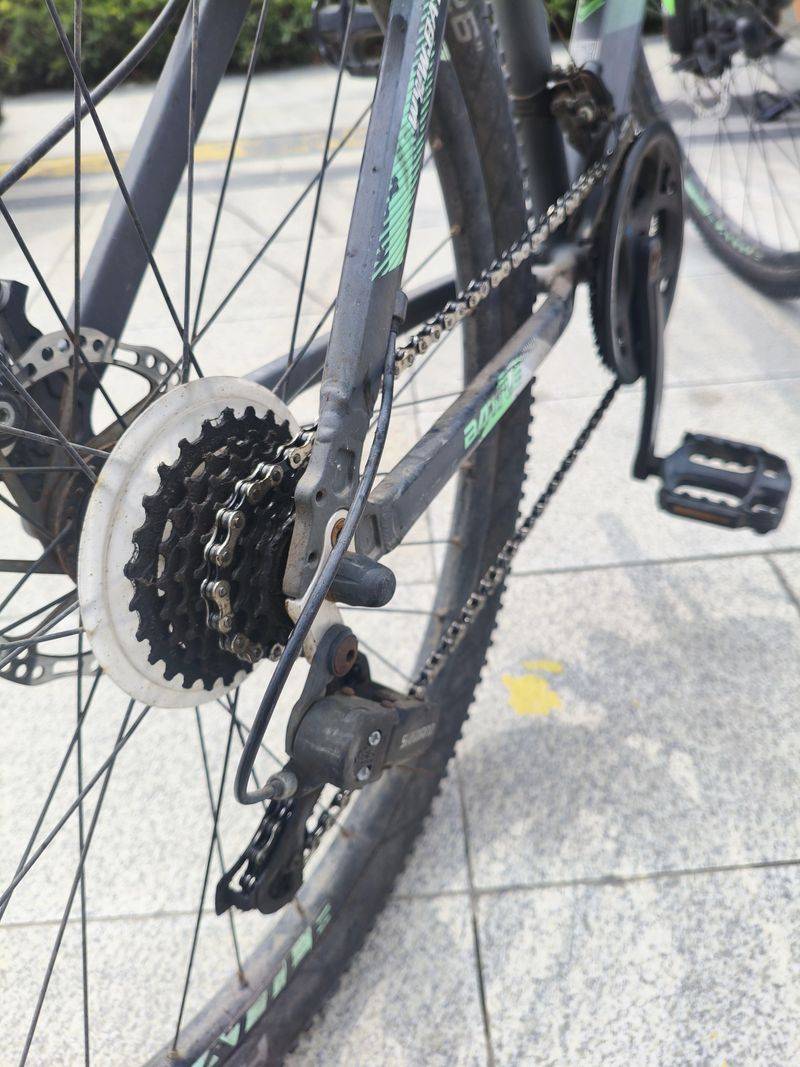
The biggest fear is that the mountain car will be taken out of the house, or that the chain will be broken directly. A lot of drivers have heard a strong line from the mechanic: "this chain can't be fixed, only new!"
Is there really no room for repair? I'll tell you all about it today
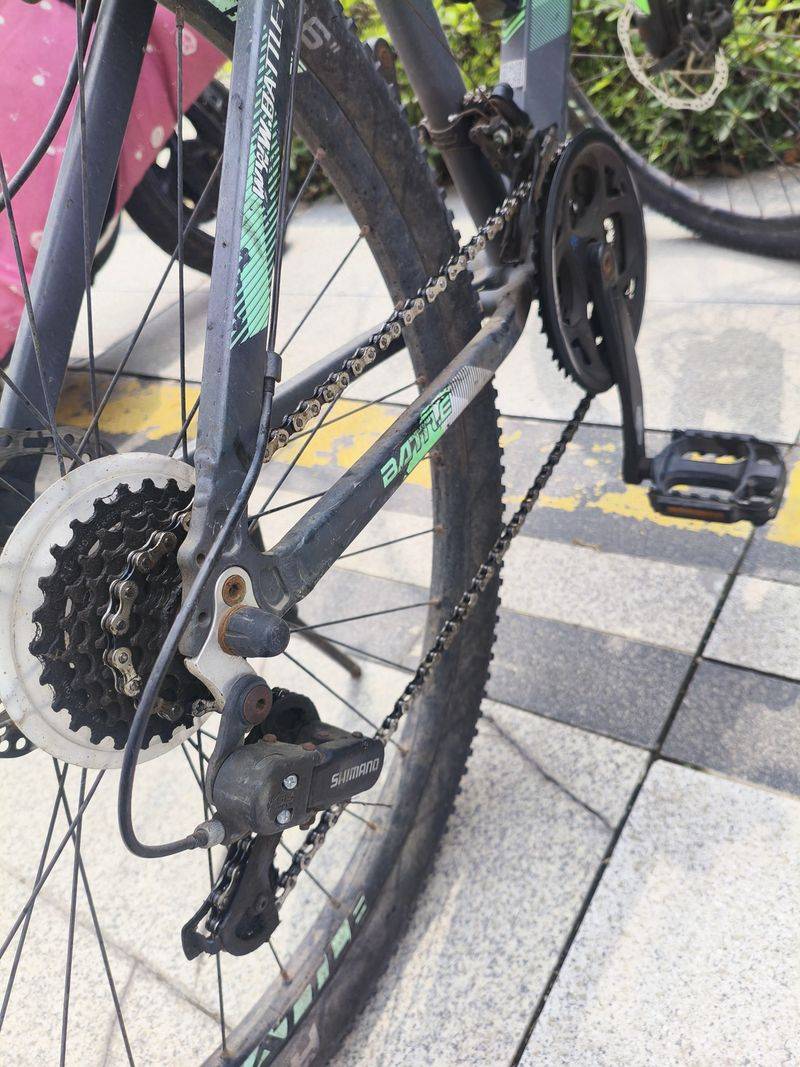
Why does the master always say, "no repair, no change"
Broken chains, full of “dark wounds” body
Chain breaks are never “sudden deaths”, mostly caused by prolonged fatigue, rust or overload. The chain near the broken mouth has already seen metal fatigue, even if barely connected, as a “time bomb” that can be blown up at any time
- when high-speed rides or ramps are active, the site is vulnerable to break-up again and the risk of crashing out of control is extremely high。
- the high precision of the chain of the fast mountain vehicle, with a slight deviation in the length and spacing of the post-rehabilitation chain, triggers a jump in the chain, a change in the speed of the carton, or even a broken truck, and a flight wheel。
It's more expensive to replace
There are now dozens or hundreds of ordinary mountain chains that need to be repaired:
- dismantling of chains, chains, replacement of damaged chains, reconnection, labour costs
- the rehabilitation of the chain, with only one third or less of its original life, and with little delay, is far less than a direct change of heart。
3. Safety is always first
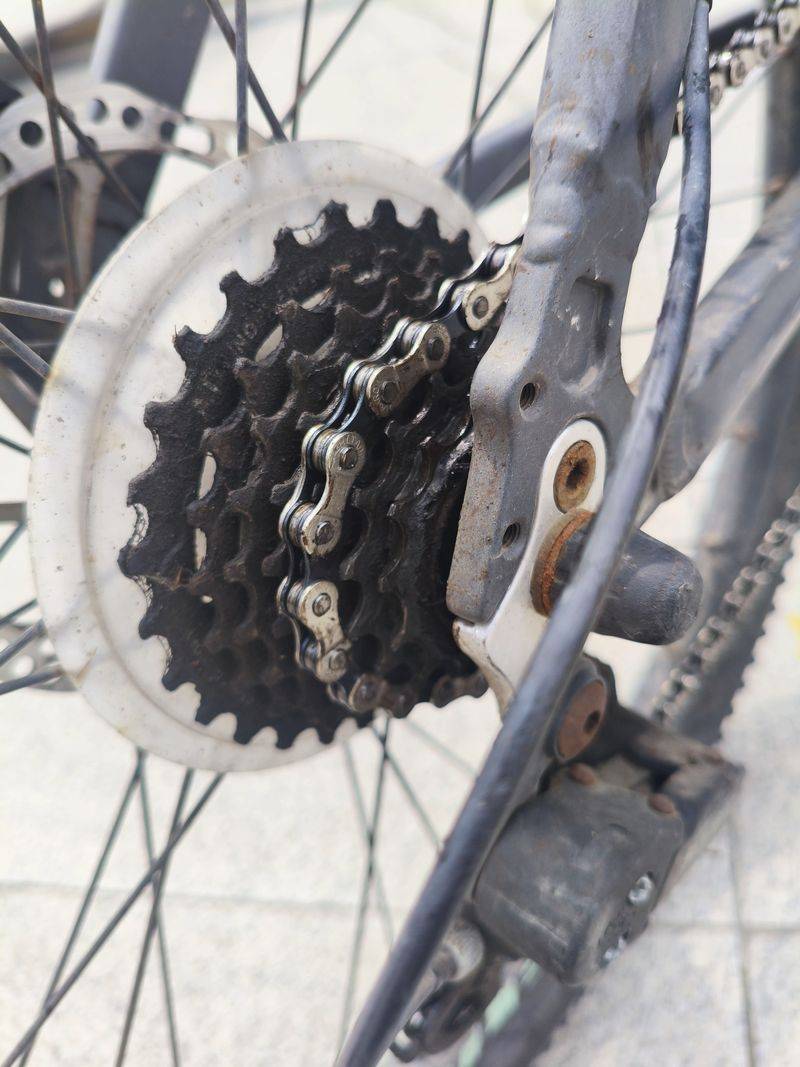
Specialized car mechanics recommend chain change, which essentially puts safety first. The strength of the restoration chain cannot be guaranteed, and in the event that it breaks during commuting, climbing or downhill, the consequences are unforeseeable. Rather than bet on luck, it's better to spend a little money for a real one。
In these cases, it can actually be “emergency repairs”
Not all broken chains have to be replaced, and temporary repairs are feasible in two cases:
1. The fracture is just around the magic button: modern mountain chains are mostly accompanied by fast-dismantling magic buttons and, if a single chain is broken, they can be cut directly off and reconnect to magic buttons。
2. Old single-speed/inner-speed vehicles: such vehicles require low chain precision and are repaired with a button or a hook, with little effect on riding and suitable for limited budget or temporary emergency relief。
Note: when emergency repairs are completed, the entire chain must be replaced as soon as possible, rather than a long-term “pathic ride”
You don't want to break the chain? Daily maintenance is the key
Instead of losing the chain and having a headache, it's better to do this earlier and to extend the life of the chain:
- regular cleaning of oils: cleaning of mud with special chain cleaners, drying up of chain oil and avoiding dry grinding and rust。
- avoiding violent fluctuations: do not push up the slope and reduce the ripple effect of the chain。
- early examination of wear and tear: measuring by chain card scale, the wear and tear of more than 0. 75 mm should be replaced, and it should not be delayed to regret it。
Final summary
The mechanics said that “cannot fix” was not technically impossible, but rather that changing chains was the best solution in terms of safety, cost and durability。
If it was only an emergency, the minor repairs would help; but if it was to be safe to ride for a long time, it would be responsible for the change of the new chain。
Next time you see a broken chain, you know what to do
# hillcar repair # # riding skills # bicycle maintenance #