Warehousing cold chain logistics for agricultural products can effectively reduce post-partum losses and are an important part of the industrial chain, supply chain and the daily needs of basic livelihoods. At the same time, it contributes to the achievement of scalable sales, which can effectively enhance the market competitiveness of smallholders and new players and the resilience of industries to risk. The construction of the cold chain of agricultural products, which concerns the “six-soft” “six-soft”, is of great importance for maintaining a stable and healthy economic environment and for the social environment of the people of the country。
The cold chain of our agricultural produce is developing rapidly
In recent years, the state has continued to issue industrial policies that encourage the construction of cold-chain infrastructure and the release of policy dividends has accelerated. In 2021, the state council issued the “xiv-5” cold-chain logistics development plan, the first five-year plan for cold-chain logistics, which provides a comprehensive and systematic indication of the direction and path of our cold-chain logistics development. In recent years, there have also been a large number of industry-specific policies to guide, regulate and support. For example, in april 2020, the ministry of agriculture and rural development officially launched the project “construction of cold chain facilities for the storage of agricultural products”, which supports farmers' cooperatives, family farms in the construction of a pool of storage facilities, sorting packaging, post-partum primary processing facilities, through incentives for replacement, loan discounts and implementation of preferential electricity prices. By the end of december 2021, the project had supported the construction of some 52,000 facilities, with the addition of more than 12 million tons of storage, 1,800 districts (municipalities, districts), 7,000 townships and 22,000 villages involved。
Our cold-chain logistics market has grown rapidly in recent years. The construction of the national backbone cold chain logistics base and the cold chain facility for the sale of land has progressed steadily and the level of cold chain equipment has increased significantly. The market size of our cold-chain logistics sector grew from $110 billion in 2012 to over $380 billion in 2020, a compound annual increase of 16. 8 per cent. Refrigerated storage capacity stands at nearly 180 million cubic metres, and the holdings of refrigerated vehicles are about 287,000, twice and three times, respectively, at the end of the “1205”. Innovative upgrading of logistics service models. Our cold-chain logistics service providers have evolved from a single provision of warehousing or transport distribution services to an integrated customer solution. Integrated services not only efficiently and easily meet the multiple needs of clients, but also greatly enhance the competitiveness and bargaining power of enterprises, which can greatly help to reduce efficiency gains and scale up. At present, our cold-chain logistics front-runners have integrated an integrated network layout, extending services from the point of production to the end of the supply chain. Industry-led enterprises have built warehouses of production, equipped with pre-cold, fresh, graded, sorted, processed, packaged, and shipped-integrated production lines, with only 3. 3 per cent of fresh agricultural products that are already below the level of developed countries。
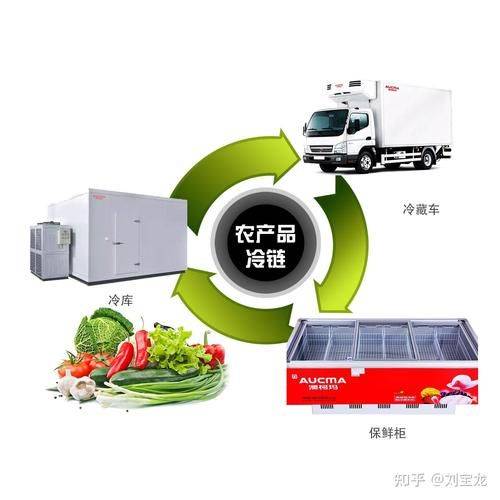
With the acceleration of the pace of modern life, the rapid growth of the internet, changes in consumption habits of young groups and the rise of new retail trades, the size of fresh producers has grown rapidly. In cold-chain logistics value chains, fresh food accounts for nearly 90 per cent of cold-chain logistics. With the impact of the new coronary pneumonia epidemic and the rapid escalation of consumption, our new and fresh electricists have led to the rapid development and transformation of the cold chain logistics of agricultural products, demonstrating strong resilience and great potential. Cold-chain logistics provides the basis and support for the rapid development of the prefabricated vegetable industry, with the number of pre-fabricated vegetables traded increasing by 156 per cent in 2021。
Overall inadequate cold chain infrastructure
At present, cold chain construction is still inadequate and infrastructure is inadequate, ranging from “one kilometre first” to “one hundred metres in the middle” of the production site to “one kilometre in the middle” of the distribution area to “one kilometre in the last” of the distribution area, where the cold chain is not fully equipped. According to the national cold chain logistics profile report, published by the central cold alliance, our cold storage stock reached 52. 24 million tons in 2021, meeting less than 20 per cent of the demand; there were 1,43649 refrigerated vehicles with legal entities, but the transportation rate for fruit, meat and aquatic products was only 35 per cent, 57 per cent, 69 per cent, well below the average of 90 per cent in western developed countries; in terms of per capita holdings, we had only 0. 037 tons per person per person, with a cooled truck per 10,000 person, and a cold chain facility per person was much lower than in the united states, japan and korea。
There are regional and structural imbalances in cold chain infrastructure development. The cold-chain logistics infrastructure of our country continues to be characterized by a small number of east and west, as well as a small number of land-soldiers. In stock resources, old facilities remain overstretched and need to be upgraded and optimized. Especially under the “two carbon” target, there is an urgent need for accelerated phase-out of some high-energy and low-out facilities. In particular, there are insufficient resources for pre-colding at the front end of rural areas and cold-chain hubs, and regional and structural imbalances in cold-chain logistics in terms of regional distribution, distribution of production and marketing sites, and functioning of temperate zones。
Cold-chain logistics costs remain high. At present, the biggest problem for fresh producers is the high cost of logistics storage. According to research data, the logistics cost of fresh agricultural produce in the country is 30 to 40 per cent of the total cost, with a loss rate of 10 to 15 per cent. Storage costs, coupled with the limited shelf life of fresh products, can easily lead to spoilage and pressure damage in the event of temperature deviations during transport. The costs of cold-chain logistics are thus much higher than those of ordinary couriers, and storage logistics costs are the worst。
There is still a chain break on the cold chain. Inadequate construction of rural cold-chain logistics infrastructure, inter-shipment replacements and dry links at both ends of the chain, difficulties in temperature control to ensure that they remain at the right temperature, among other things, have led to high rates of “initial 1 km” and “median 100 m”. In the storage chain, fresh agricultural products tend to enter refrigerated containers before being refrigerated using more advanced technologies, and are weak in spatial planning; in large and medium-sized wholesale markets, refrigeration facilities are less efficient, and in “soft links”, from refrigerated trucks to cold storage, there are often such problems as open storage of fresh products, and the removal of the trans-shipment chain. In the case of distribution, the basic use of foam or heat-conserving bags, coupled with inadequate distribution routes, tends to lead to high temperatures and deterioration of goods during distribution。
The cold chain of agricultural products from the village to the city has to be broken
Inadequate investment in rural infrastructure. At this stage, our investment in cold-chain infrastructure is concentrated relatively in second-line cities and coastal cities, with small per capita cold storage capacity in urban areas, insufficient resources for cold-chain facilities at the front end of rural areas and at the port hub, fewer cold-storage conservancy facilities, and more widespread difficulties in reaching the field. Moreover, equipment for pre-cooling facilities in the field often requires water, electricity and gas units and information facilities, but the construction of equipment for related facilities in rural areas is still lagging. The distribution of benefits across the cold chain is insufficient. Significant financial resources are required for infrastructure investment such as storage by agricultural producers, cold chains, etc. The small size, dispersion, variety and regulatory difficulties of agricultural operators highlight the limited financial capacity to absorb the higher input costs of cold chain construction. There are particularly few public service platforms that can provide standardized warehousing and cold-chain logistics to small farmers and new types of operators. Since construction of refrigerated vehicles, cold storage equipment, temperature control terminals, etc. Requires a high cost, it is not realistic or cost-effective for a single fresh power provider to build autonomous inputs, and the emergence of cooperative or third-party operations involving the distribution of benefits, including business benefits and policy subsidies. In addition, cold-chain professionals are still constrained by “failure to develop and retain” and slow progress in the digitalization of industry。
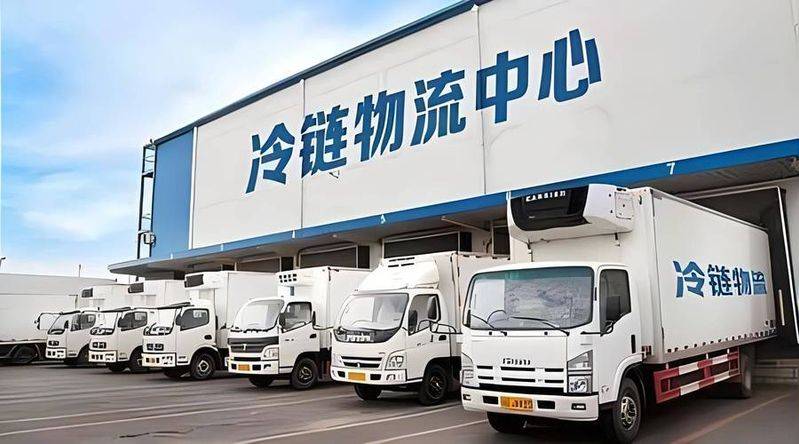
In the future, there is a need to consolidate infrastructure, to connect infrastructure, to penetrate the chain with digital technology, to invest in rural areas, to rejuvenate vast areas and to properly direct capital to investment in the cold chain of agricultural products. The construction of a cold chain infrastructure to store solid agricultural products. (c) pooling central and local dedicated support funds, identifying the public goods of cold chain construction, and seeking to pool village revitalization funds, farm-related consolidation funds and special bonds into cold chain construction. Focused and active agricultural production areas, niche agricultural areas, promoting the construction of storage and storage cold chain logistics facilities for agricultural products, and accelerating the re-establishment of cold chain logistics niches for production sites. Emphasis was placed on supporting the construction of storage and cold-chain facilities, such as warehouses for agricultural produce, cold storage and refrigeration trucks. Full process interface and robust standard construction for agricultural storage and cold chain maintenance. In conjunction with the establishment of a network of national cold-chain logistics backbones, based on freight hubs, major ports, railway logistics bases, hubs and airports located in agricultural niche areas, major ports, integrated cold-chain logistics infrastructure planning, improved functioning of cold-chain transport services, such as dry links, regional distribution and warehousing distribution, and enhanced cold-chain transport support security capabilities. Improve compatibility and connectivity by operating the cold chain at the “initial 1 km” of agricultural products, ensuring that storage of the cold chain facilities for agricultural products are functionally advanced, safe and efficient, and that they are fully regulatory, retroactive and visualized. Strengthening the cold chain logistics workforce. Emphasis is placed on and strengthening the development of technical skills in the cold chain and improving the knowledge and professional skills of managers of enterprises and agricultural operators. Enhanced training in cold chain technology operations to effectively upgrade the professional skills of the workforce. • to explore alternative cold chain technology training models, such as order-based training and joint training, and to improve the technical and managerial competence of companies and new business owners. - strengthening the training of skilled personnel in the cold chain in specialized vocational colleges and strengthening the supply of skilled personnel in the cold chain in rural areas。
Upgrading the digital and industrialization of the cold chain industry. Starting from the source of agricultural products, agricultural products are graded standardized and fed directly into the standardized logistics basket, equipped with facilities such as measuring weights, video capture, mild humidity, etc., according to standardized standardization, and automatically capture, aggregate processing and uniform dissemination of cold chain information for storage, providing data support for macro-level decision-making. Data tracking is carried out through the use of the internet-based technology, block-chain technology to ensure that data are not tampered with in the supply chain, that baskets of agricultural products are precalculated and stored, sorted, and that commercial flow information is linked directly to customers through the electrical platform. Smart allocation and distribution through digitization in the logistics system, the integration of resources through digital connectivity, the promotion of shared logistics innovations and the significant reduction of logistics costs. Supporting the development of digital applications such as cold chain logistics full-chain information traceability, direct supply of agricultural products to cold chain logistics, community cold chain smart distribution, and optimizing and improving the efficiency of “last kilometre” distribution. Building cold chain logistics for agroecological communities. Supporting new agricultural operators to collaborate with cold-chain logistics enterprises through alliances, equity investments, etc., to increase the benefits of cold-chain development to farmers. The various actors involved should strengthen communication, promote synergies and build an eco-community of cold-chain economies at the expense of policy, market, technology, finance and so on, creating a synergistic effect, upgrading values and promoting common development。
(by zheng seon, peng chau, unit: institute of management personnel, ministry of agriculture and rural affairs)