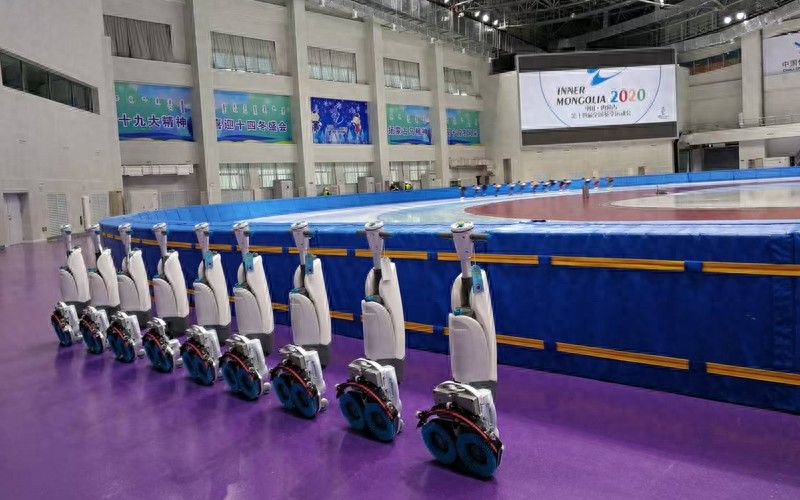
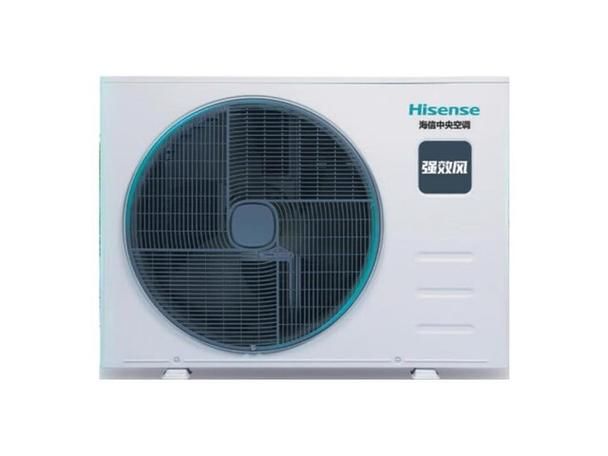
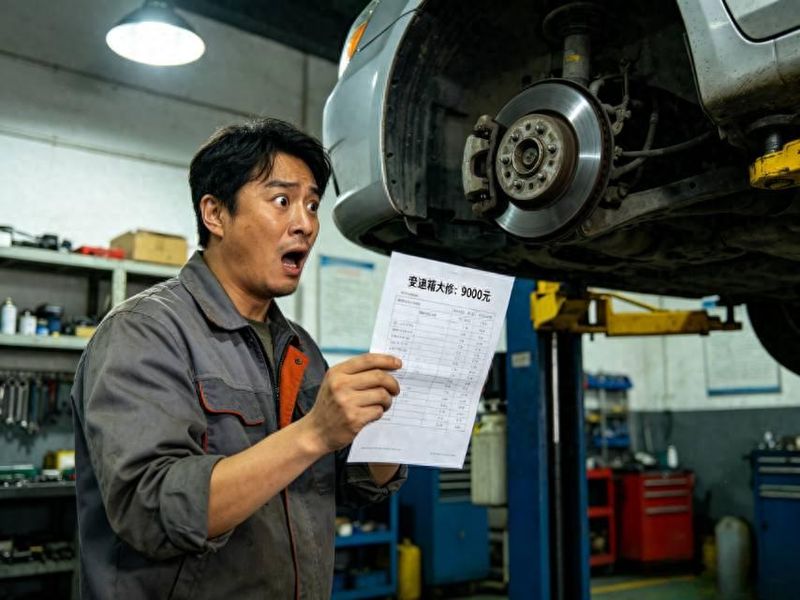
In the field of metalworking, welding efficiency and quality directly determine the productivity of enterprises, and traditional flame welding and electrical resistance not only take time, but also lead to welding deformation and leakage. The emergence of hand-held high-frequency welders has completely reversed traditional welding patterns, becoming “efficient welders” in such industries as refrigeration fittings, precision hardware and automobile parts. Let's get you all to know this industrial miracle
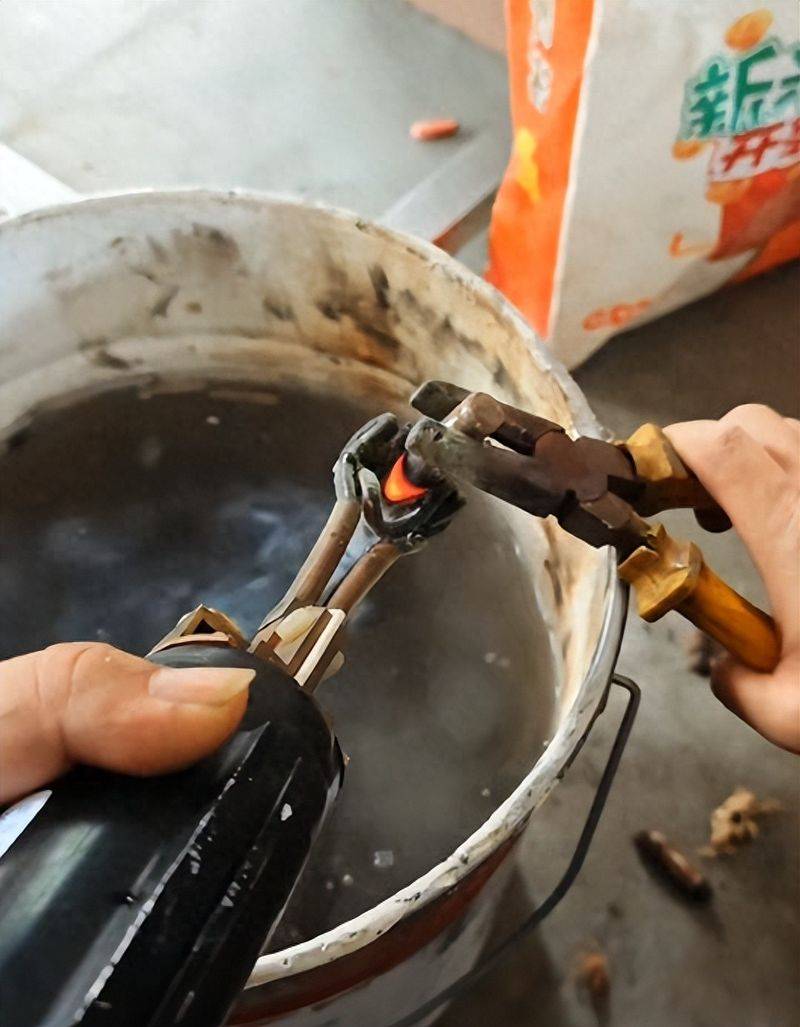
Core principles: electromagnetic induction of a "heat gun", hyper-precision of insulation
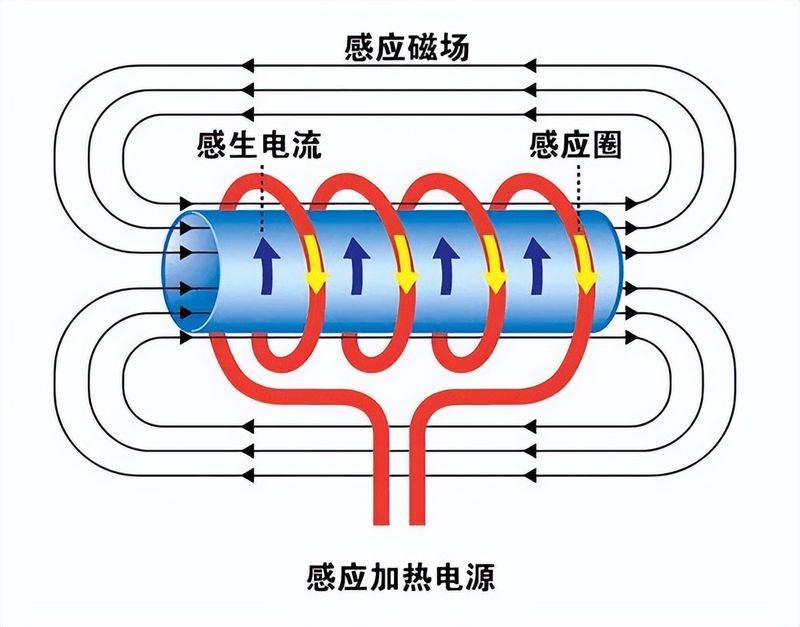
The core of the high-frequency welders is electromagnetic induction heating. When the high-frequency current flows through the sensor wires, a high-frequency intersection magnetic field is created, metal parts are placed into the magnetic field, and vortex is generated inside the project, producing high temperatures at short notice through the jh. Without exposure to the open fire, welds can be fertilized to the melting temperature of the plume, which is filled with corrugated cavities and cooled to form a solid welding corset。
This non-contact heating method, with a high concentration of heat in the welded area, does not damage the working body, especially the local welding of precision metals such as copper tubes, copper aluminium composites, and perfects the pain point of traditional welding, which is “boiled, welded”。
Four core advantages. Industrial production requires god
Full efficiency, second-speed welding: a high frequency welder takes 3 to 10 seconds to complete one welder compared to the traditional welding, increasing production efficiency by more than three times, significantly reducing the duration of the mass processing and adapting to the rapid operation requirements of the current line. Accurately controlled and of a rigid mass: precise calibration of temperature and power, welding with no air holes, no welding, air-conservation and corrosiveness well above industry standards. Welding does not require additional grinding and goes directly into the next process, saving labour and reducing costs. (c) flexibility and ease of transport: the aircraft is lightweight, can operate with one hand, can easily cope with complex situations such as small space, alien objects and on-site installation, and does not need to move heavy equipment. Mobile operations are extremely convenient, either in mass production or on-site maintenance. Energy-efficient, environmentally safe: no light fire, no smoke, no emissions, meeting green production standards; water and water separation designs with multiple protective devices to avoid safety hazards such as fire, electrocution, etc. From source. At the same time, energy conversion is efficient, with a significant reduction in long-term use costs compared to the use of more than 30 per cent of conventional welding。
Application of wide-ranging, multi-professional universal gods
Handheld high-frequency welders cover a number of industrial areas with their full-power characteristics:
Refrigeration sector: copper tubes for air-conditioning, refrigeration fittings, welding of liquid distributors to eliminate leakage risk
(a) hardware electron: precision end, electro-heater, hardware tool welding to maintain original performance
Automobile manufacturing: sensors, pipelines, auto-composed parts welding to meet high-intensity use requirements
Other areas: the scenes such as the restoration of moulds, the welding of knives and the connection of the heater pipe are applicable。
Small selection techniques: more efficient selection of equipment
Hf welders are the best option if your work is based on small, thin-walled pieces, seeking precision, efficiency and low-energy consumption. If large-scale thick-walled pieces are processed, they can be used in conjunction with the medium-frequency welders to achieve efficient welding programmes for different items。
At a time of intellectual upgrading, high-frequency welders, with the advantage of being efficient, accurate and environmentally friendly, are the core equipment for reducing industrial production efficiency. The choice of appropriate high-frequency welding equipment not only enhances the quality of welding, but also enables firms to take the lead in fierce competition