In 2026, a pasat owner left a sentence on a third-party complaints platform: “it is either on the road to repair the car or on the road to repair the car”. Behind this sentence is the recurring transmission box failure light, and the occult number on the 4s maintenance worksheet: the replacement unit was complete, at a cost of $18,000。
"emergency mode of operation" for the gearbox
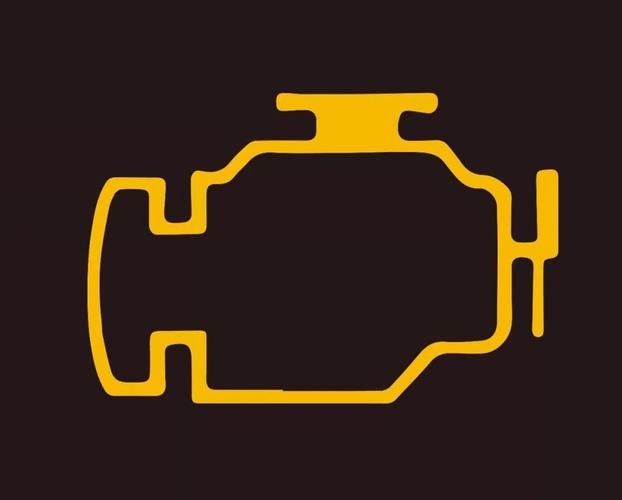
The problem usually starts with a warning without warning. The vehicle was travelling normally, and the dashboard suddenly jumped out of the notice: “the gearbox is in an emergency mode and can continue to travel.” at this point, the breakout was particularly alarming when there was a high-speed overload. The majority of the failure codes read in the backstage were directed at the same perpetrator: the sensor failure of the transmission unit (tcu)。
Even more disturbing is the fact that this problem, which may have arisen before 100,000 kilometres, has arrived earlier in a significant number of vehicles, from 30,000 to 50,000 kilometres, and that some new vehicles have been picked up soon. Once vehicles have exceeded the quality assurance period, the maintenance bill will be clear and heavy:
Five years ago, with today's patch-up maintenance
Time to pull back to 2014. At that time, the public provided a 10-year or 160,000-kilometre quality assurance commitment for some of the dsg gearbox models. This policy was a pill。
Today, however, the situation is quite different for the owners of vehicles purchased after 2014. When the failure occurred, some of the owners indicated that the plant's initial programme was not to replace the total but to agree to replace only the internal malfunctioning sensors, at a cost that could be between $3,000 and $5,000. The problem is that this “fixing” approach may lead to a recurrence of malfunctions。
The owner, after replacing the sensor, soon saw the familiar failure hint, and their confidence in long-distance travel was slightly eroded。
The paradox then arose: the owner wanted to change the total once and for all, but at his own expense for tens of thousands of dollars; and the “economic programme” offered by the manufacturer could not completely dispel security concerns。
There's a problem at the bottom. Another one has to be accounted for
In addition to the gearbox, another high frequency complaint point directly relates to the only component of the vehicle's contact with the ground: tyres. Many pasat, the owner of the road watch l vehicle found that the korean-taire tyre at the plant had visible tortex cracks when it travelled only 10,000 to 20,000 kilometres, while the tires were still far from worn。
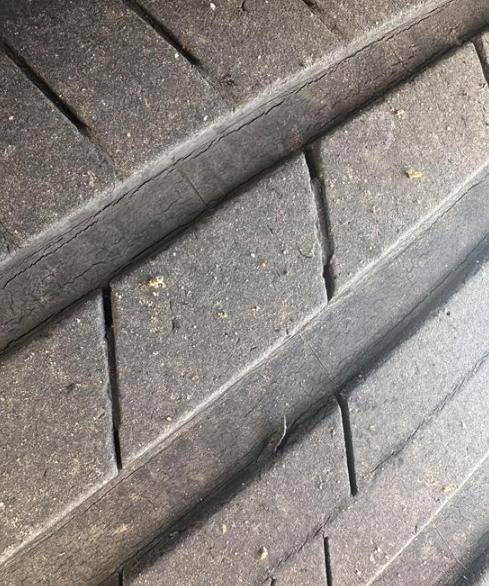
The owner questioned the “early decay” of the rubber formula and was concerned about the risks associated with high-speed travel. However, under industry-wide rules, tyre security is usually three years and covers only proven production deficiencies. At present, there are no special tests or free replacement policies for the public。
This means that if a quality defect cannot be proved through stringent third-party testing, the owner of the car is required to pay for it:
The plant's silence, the choice that's on the table
In the face of relatively high levels of complaints, the public has so far not issued official statements or solutions specifically addressing the matter. At the beginning of 2026, its “eight new” strategy referred to “consumer rights and interests”, but there were no complaints, specifically in respect of gearboxes and tyres。
Media analysis suggests that this is a question of choice for the manufacturer: on the one hand, the significant costs of mass recall or extension of quality assurance; on the other hand,** “cold treatment” and partial maintenance**, shifting economic pressures and time costs to individual owners to control short-term expenditures. At present, the manufacturer appears to be in favour of the latter。
A car analyst has described a similar situation as follows: “an enterprise does not have the capacity to solve the problem, but rather trade-offs between `costs' and `responsibility'.” for the owner, the result of this trade-off is that the repair work order, which requires his own signature, amounts to tens of thousands of dollars, and the impracticable phrase “is either on the road to repair the car or on the road to repair the car”。