At the present time, the city of nanning has a relatively large number of new districts, many of which have not yet entered the phase of receiving special maintenance funds for the property sector. What matters most to the owners of this sector is where do they pay for the repairs? Can this money be used for more than a decade or so
Regulatory constraints
Account information is not available
Under the nanning city property special maintenance fund management scheme, implemented in 2009, the department responsible for managing the maintenance funds is required to reconcile the funds accounts semi-annually with the specialized management bank and to publish the account balances, usage, etc. To owners, public housing sellers, etc。
Unfortunately, this provision has not yet been fulfilled. For the time being, when the accounts of the sub-districts are mainly consulted, they are required to take the initiative to hold small tickets for property certificates and special maintenance of the property and to consult the authorities. On the website of the nanning city housing security and housing authority, there is a blank column for the maintenance fund under the management of funds。
In addition, in 2009, when nanning city began to receive funds for specialized maintenance of property, the regulatory bodies committed themselves to providing search services to owners of a large number of sub-districts by setting up touch screens, telephone queries, text messages, bank statements, etc. Journalists found that those commitments had not yet been fulfilled。

On 6 may, the persons concerned at the nanning city housing fund management centre indicated that the directorate's website did not provide a query function for maintenance funds. To date, the centre has not published its financial accounts, and owners who need them can call or check their individual accounts at the centre. This year, the centre is stepping up its website development efforts with a view to making easy services such as web-based queries available at an early date。
Where the money is going
Held in a commercial bank
In nanning city, a number of small-town owners interviewed stated that they did not know where the money went and how much money remained in their accounts, much less how to check and monitor. Of those, there is concern: will this huge amount of money be “silent”
According to the centre's sources, the funds are currently managed by the bank of china, the northern bay bank of guangxi, the bank of guangda, the bank of construction, the bank of commerce and industry, the bank of agriculture, the bank of transport, etc., and are determined by the housing and housing administration of nanning city in conjunction with the treasury. Under the relevant provisions, interest is stored mainly by reference to the manner in which interest is stored in the provident fund。
Journalists learned that interest on deposits is low and interest on loans is lower than on ordinary commercial loans, which are a special form of collection and loan。

According to one banker, the funds paid into the current year are required to receive a current rate of interest, which is largely negligible, even if the principal interest carried over from the year is at the rate of three months' term deposit, which currently has a rate of return of more than 2 per cent. This is almost one of the lowest deposit patterns。
“the money that was paid may be depreciated when it is really needed.” the banking community is concerned that, at present, nanning city is home to a large number of newly built houses, mostly in “young men's years”, and it is a major problem in the current management model to preserve value added when “late age” requires substantial financial maintenance。
Purchase of national debt
No applications yet
“as the governing body, the security of funds must first be considered.” the directors of the centre said that they also wished to increase the use of funds, subject to the provisions of the law. But the money is owned by the owner, and if it is used to manage the investment, it could bring significant returns and risk that “if the investment fails, who will bear it?”
In fact, there is not only one way to manage funds for specialized maintenance of property. Under the 2008 ministry of housing and the ministry of finance, the ministry of housing and finance has been able to purchase state debt with special maintenance funds. In the case of the current five-year national debt, the annualized rate of return is close to 6 per cent, with approximately $2 billion in specialized maintenance funds in nanning city, which can yield 120 million a year. By contrast, even if the funds were all three-month term deposits, interest income amounted to only $50 million, less than half that of the former。
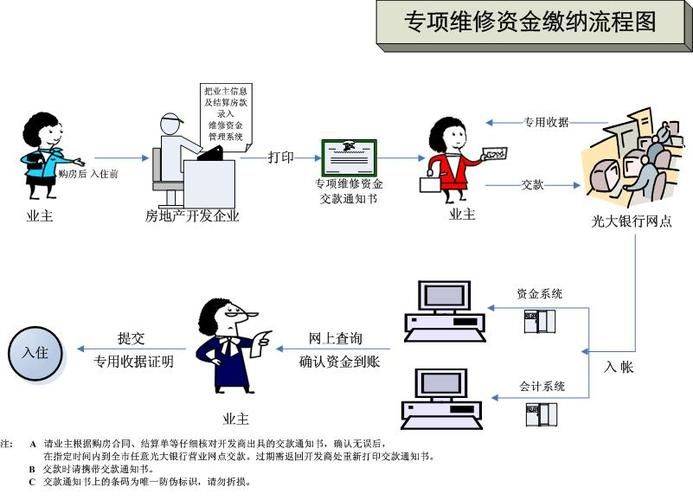
The officer-in-charge said that, at present, there were no such applications in the nanning municipality. The purchase of state debt shall be subject to the agreement of the small zone owners ' assembly; in the absence of such a conference, the exclusive portion shall be subject to the consent of the owner, who represents more than two thirds of the total building area, and more than two thirds of the total. “if the owner of a district decides to use maintenance funds to purchase a national debt, he may apply to the management centre”。
His rock
Many are actively exploring it
In recent years, a number of areas of the country have been explored in order to secure funds for specialized maintenance and maintenance. For example, in response to the complex and multi-processed use of specialized maintenance funds, nanjing city has advised that maintenance funds will be available for “package” and “emergency” applications; in response to outstanding “missings” in management, chengzhou city's system of pilot repair and repair funds will indicate the path to supplementary maintenance funding and renewal in old and old districts; changsha city has initiated a pilot and the difficulty of using “2/3 owner signatures” in the maintenance fund is expected to be solved
According to several legal sources, the difficulties in managing funds for specialized maintenance of property are mainly due to a lack of clarity: the money paid by the owners of the sub-districts is managed by other institutions, but they do not enjoy full access to information and disposal. It is imperative to move forward with the establishment of owner assemblies in all sub-regions. The owner's conference, which is the subject of the holdings and management of the maintenance fund, not only facilitates the use of the money but also facilitates better supervision of the property. In the absence of such a conference, the building authorities should assist in the establishment of a conference of owners to address the landing of the maintenance fund, which would help both the community to manage itself and reduce administrative pressures and risks。