In the recent past, rumours of massive price increases in camera products have led to numerous consumer concerns. According to the news reports, after a friend of the net @butterbakecat found his camera, he heard that many of the cameras were increasing the price and was curious to search for the same type of camera. It is not surprising that the energy camera that was purchased six years ago for $245 has now risen to $4048. It is further alleged that the average price of multiple different brands of camera-types has doubled, and the old type is even referred to as “property items”. In order to verify the validity of the internet price increases, journalists visited the beijing camera market and found that the domestic camera market was not an overall price increase, with only a partial premium for the hot machine。
Cash shortages plus second-hand marketing
Multiple interpretations of the factors behind the premium
In response to a doubling of the price of a model camera in the brand of qiang, riki, etc. Proposed by journalists, mr. Wang, manager of the qianyang national trade shop, a qiang camera in the qianyang district of beijing, said: “the combination is due to the small quantities available.” mr. Wang explained that prices rose because of the small size of the machine, the small number of new machines and the large market demand, and the increase in the price of the energy camera in 2020 was also due to the age of the year, the small stock, and the lack of demand for it。
According to mr. Wang, the camera industry has seen a lot of old fire, mostly in secondary markets. "it's like some card machines, they're worthless. No one asked for 50 bucks before, but now they're selling it for 23,000 dollars.”
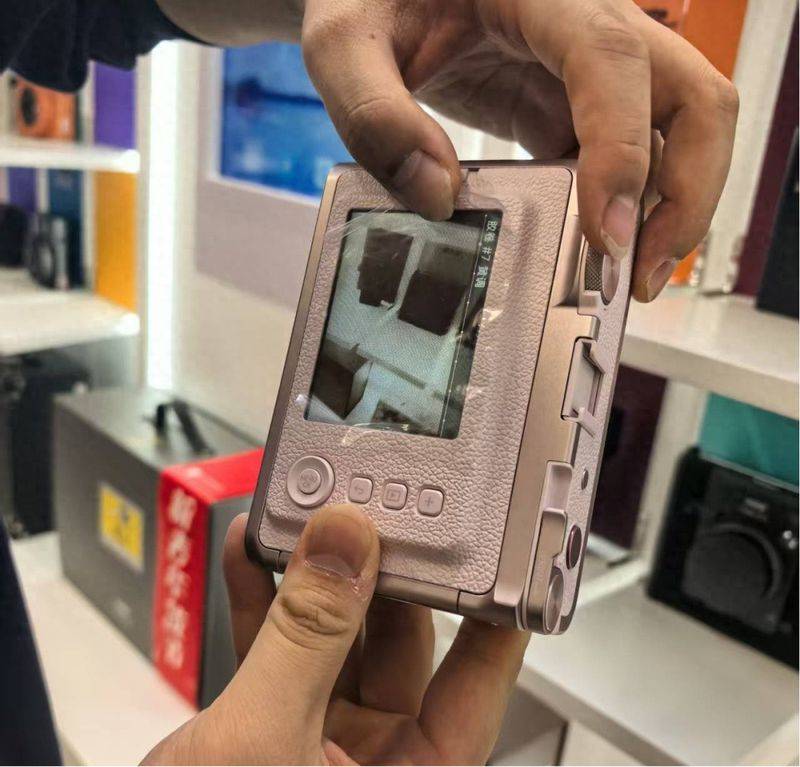
It's a picture of one of fuji's shopkeepers showing the machine。
The journalist went to the beijing main store, where he learned from the store owner, mr. Xu (alias), that the price increase was now out of production, and that the price of the price was more than $6,000 and the premium was over $2,000. Also experiencing a boom in prices is the fuji x100vi, which is worth more than $11,000, and now has a premium of nearly $4,000. The reason for this is still the supply-demand relationship. “the plant has a fixed stock per month, and the distributors can sell only a fixed amount, and the goods that arrive at the beginning of the month will be sold empty at the end of the month.” mr. Xu (alias) explained to the journalists。
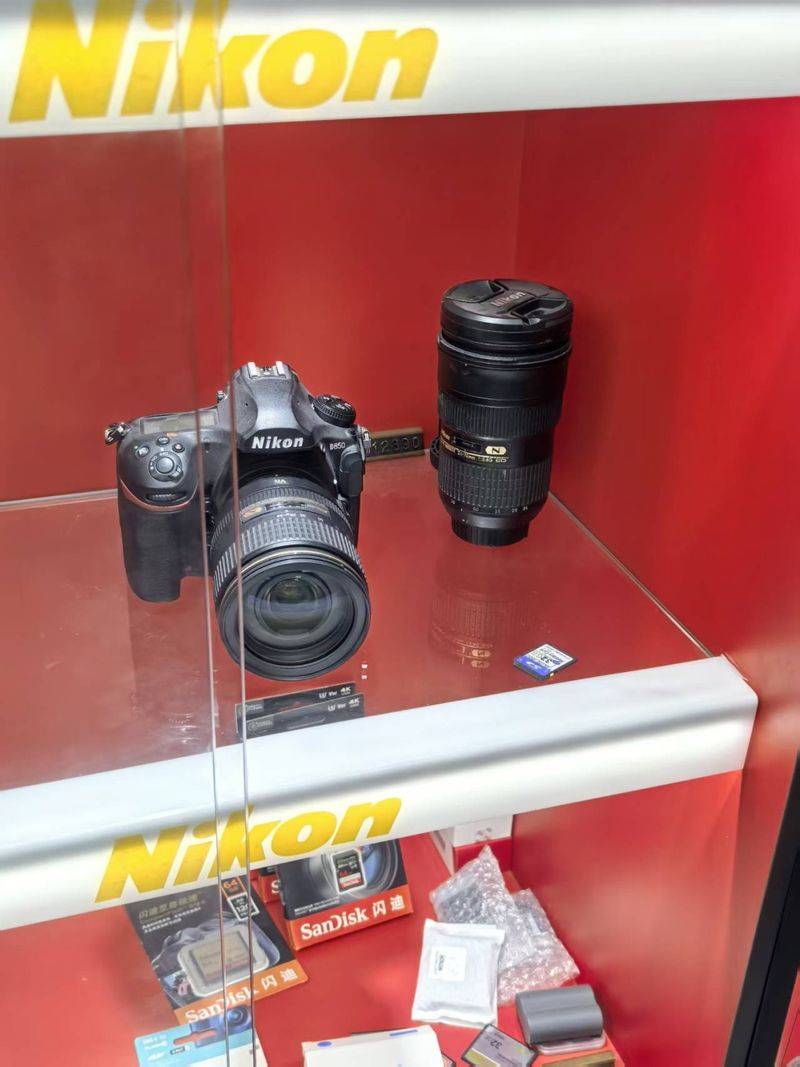
This is the camera shown at the beijing main store at the triangular camera。
“the severe imbalance between supply and demand is the main reason for the large price increases in certain camera types.” one camera player has indicated to journalists that there are now more and more people who love video and self-censorship, and that there is a greater demand for entry and mid-level cameras. However, because of the tight availability of chips and accessories, the new capacity cannot keep up, and consumers cannot buy the right new machines and are forced to rob old money, raising the price of old money. The player argued that market-driven sentiment was also an important driver of price increases, that the bourgeois packaging, market speculation and the blindness of consumers could lead to oversupply, and that the threshold had risen considerably for ordinary people who wanted to enter photography。
Overall decline in the domestic camera market
Most machine models are now at reduced prices
It is noteworthy that journalists visited and found that the price increase was mostly isolated in part. The journalist entered the beijing hotel, the front door of the gain camera flagship store, and the clerk told the reporter that the energy eos r8 in his hand was in the price line。
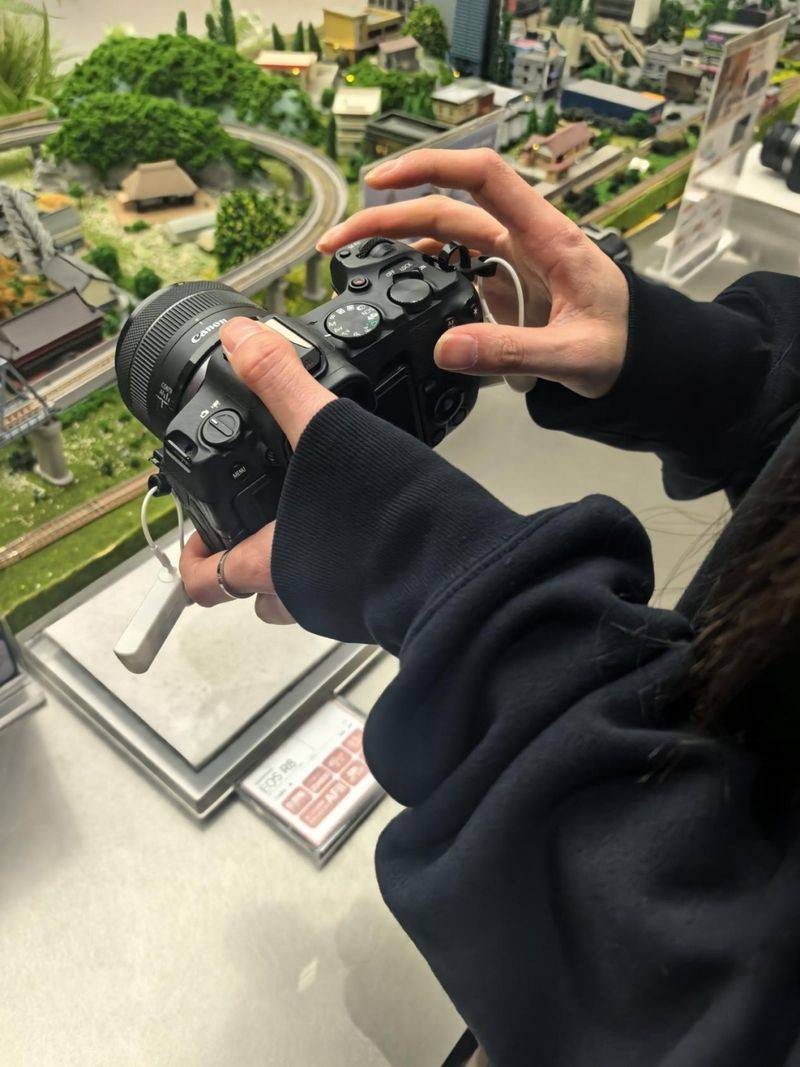
This is illustrated by the fact that the staff of the gain camera flagship store are introducing journalists to the camera type。
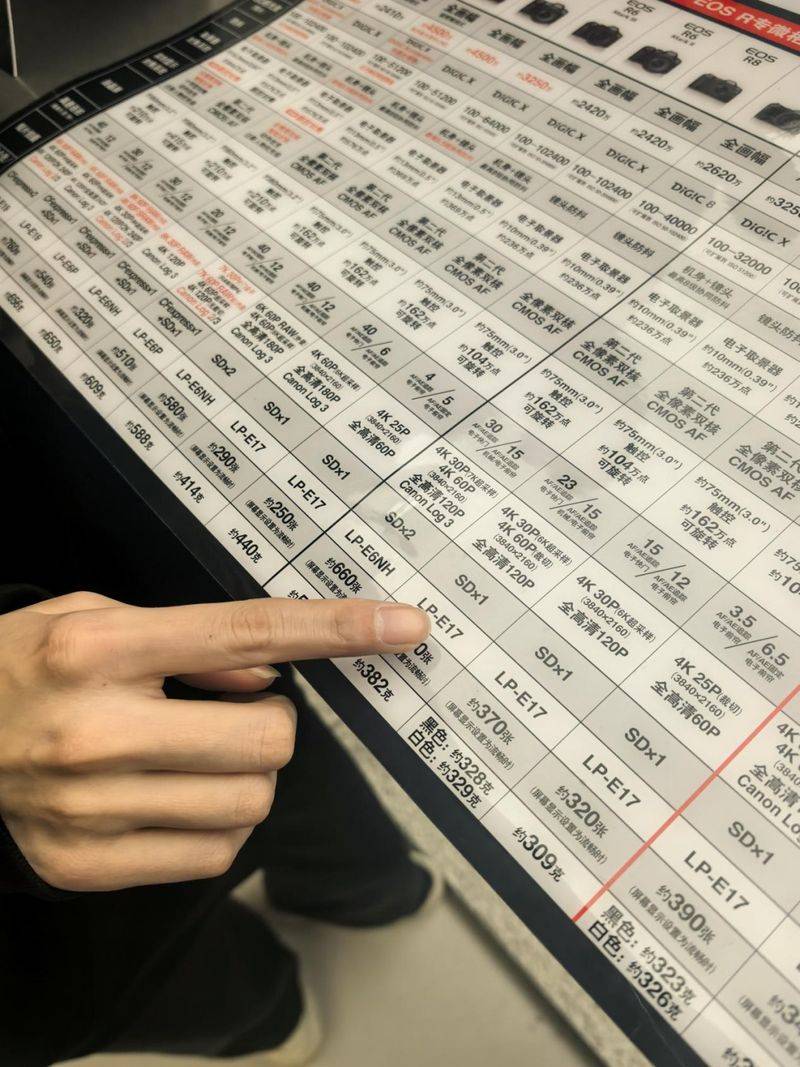
This is a sign that the staff of the gain camera flag shop are introducing journalists to the type and price of the gain camera。
Mr. Xue, a camera repair and recycling centre located in the new world in beijing, also expressed his view: “the statement that there was little price increase since the electronics came out of the plant is that the price increases in some camera models are now mostly in the hands of second-hand markets.” at the same time, mr. Xue stressed that, although some brand manufacturers would use the chip shortage as a pretext for attempting to raise prices, from last year to the present, the brands that actually implemented the price increase were almost non-existent: “kianen r62, for example, at the beginning of last year the single body price of $14 to $15,000, fell to $12,000 at the end of the year.” mr. Xue gave the example。
Mr. Wang also told the press that the domestic camera market today is in general falling prices, “in addition to a few hot-door bursting machines, many of them are sold at a reduced price of 70% or 80%”. For example, unlike the previously mentioned fuji x100v2, fuji xt5 dropped from over $14,000 to over $11,000。
Mr. Wang, for example, stated that when a branded flagship aircraft was published, it was sold at a price of more than $40,000, which is now available at a rate of 20,000, and that there are many photographic devices that are priced at around $30,000, with prices cut to 10,000 after two or three years. "just like smartphones, in general, the old model is always at a reduced price." mr. Wang said. Moreover, as the camera market has become more visible today, most manufacturers have begun to take over market shares by using down-marketing on-line, which has also led to the need for producers to align their pricing systems with those of off-line and off-line distributors. “some brands don't have a good pricing rule, they lose money.” mr. Wang couldn't help but say。
Is the old camera really a property fixer? Mr. Xu (alias) did not agree with this: “the price increase is only possible if it is designed in a model that is classic and market-intensive, and not all old-age cameras have the potential to increase prices.” mr. Wang agreed that old-age cameras, as consumer products, were generally not protected. He reminded consumers of the need to look rationally at the boom and not to “invest” blindly。