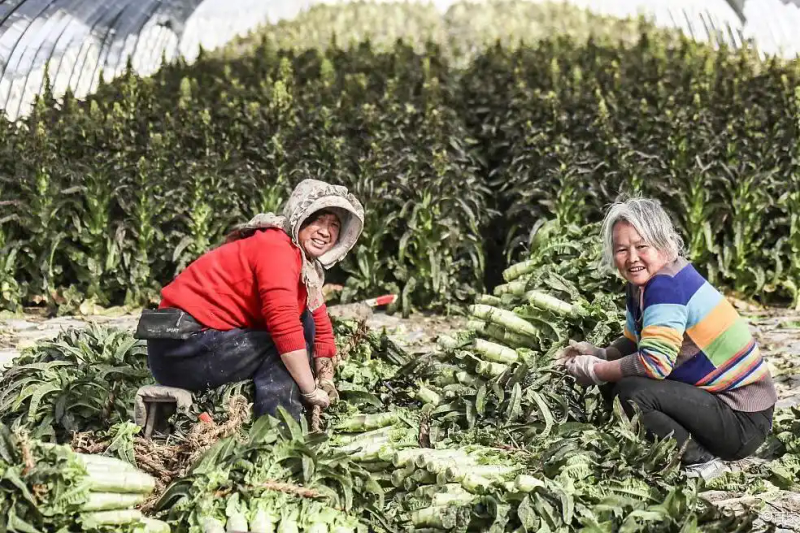
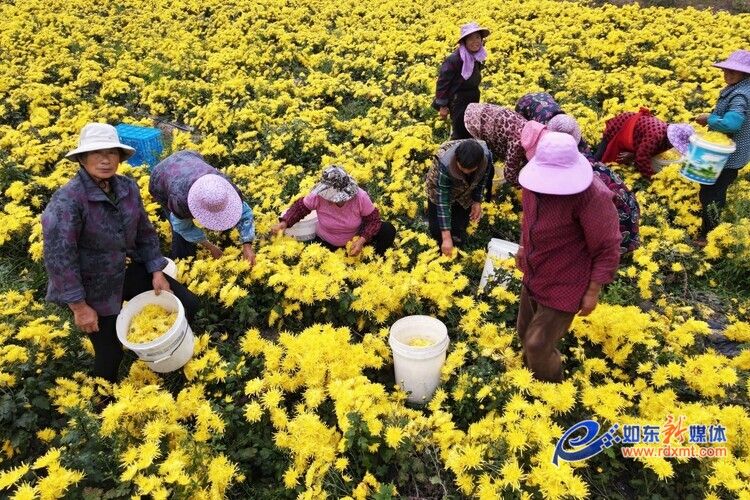
In general, open-field cultivation is used, as well as the planting of shack facilities to channel market supplies. Since the 1990s, many large and medium-sized cities throughout the country have been able to produce four seasons and provide supplies for the anniversary by choosing suitable varieties and planting them in stages, supplemented by facilities. However, today growers are mainly concentrated in the spring and autumn, and today we turn to the techniques and attention of the common spring。
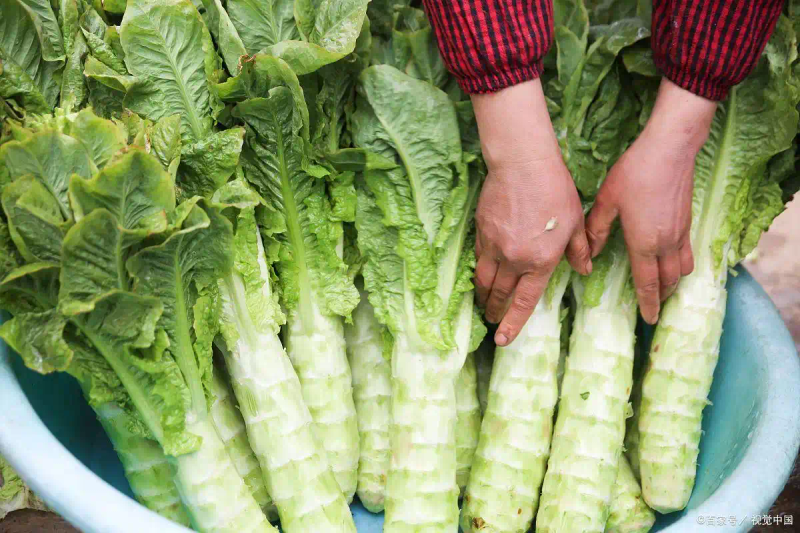
1. Choice of varieties
The selection of cold-resistant, adaptable, and late-skinned varieties such as shanghai twilight leaves, cold white skin, chongqing red shirt, nanjing white leather。
Seeding and breeding
The seeding period: field and membrane cultivation sowed between late september and early october。
Cultivation: in general, pre-planting and post-plantation. In order to grow strong seedlings, seeds of good quality must first be selected. The size and weight of the seeds have an impact on the survival rate, and the seeds are heavy and productive; the light is the opposite. Therefore, heavy, full seeds should be chosen as much as possible for seed breeding and light, bad seeds should be eliminated. The second is the proper thinning of seedlings in order to avoid congestion, thinness, slow planting of living trees, weak pre-winter growth, poor resistance to cold and disease, and a shortage of dead seedlings during winter, affecting production in the coming year. It is generally appropriate to plant around 0. 75 kg per acre, and about 10 acres per acre of seedbed. If the temperature is not high at this time, no cryogenic seedling treatment is required. The seedbeds shall be manure and human and animal urine as the base and shall be properly fitted with phosphorus and potassium fertilizer. And the time seed, which is kept at 3-4cm, increases the ventilation and prevents the wavelength. The planting period should be properly controlled to make the leaves thick, smooth and dark, so as to increase the resilience to cold after planting。
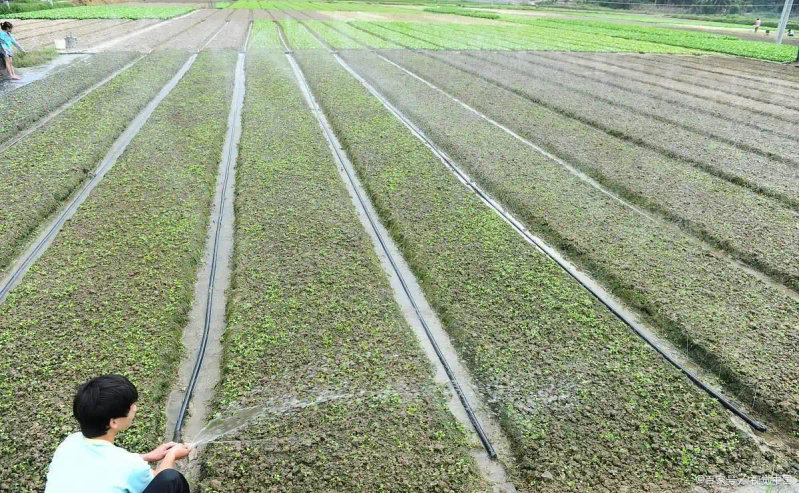
3. Land consolidation and planting
(b) land-to-ground: fatty-resistant, with the choice of soil cultivation that is strong in water protection. Two tillages, 20 cm deep or more, were applied to base fattening, each acre could be used for decomposition, 2000-3000 kg, and organic inorganic compound fat, 50 kg, which was once turned into soil. It is smoothed and then flatted, easy to drain and drain and cope with droughts and floods。
Planting period: late october to late november。
In order to protect the seedling system, the nursery bed should be properly watered in the morning, with lots of soil to be dug in the afternoon and with the potential to avoid damage to the root system so as not to affect life and future growth. The choice should be made between soil moisture at the appropriate time or during the day. It is necessary to plant the soil in an appropriate depth and to compact it slightly, so that the roots are enclosed with the soil. The range of range at the time of planting varies from 20 cm x 18 cm in the early to 30 cm x 25 cm in the middle to the late. Cultivation can be concentrated in seasons of high temperatures that are not suitable for growth, and rare in seasons that are suitable for growth。
Although it is a more cold-tolerant crop, low trenches can also be planted in defence of cold winters and early harvests. The method is to create parallel ditches vertically to the north and south, deep at 13-15 cm, and plant the plant in the ditch. This will hold back the winter north-west wind and can be used to raise the temperature of the earth by direct sunlight during the day, leading to accelerated growth at the beginning of the winter and early harvest。

4. Field management
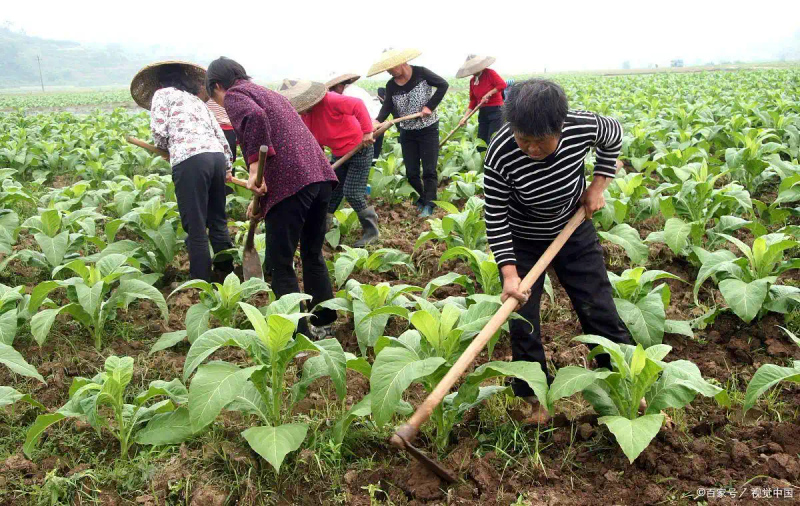
The low temperature after spring thawing, the slow growth of seedlings and the low uptake of moisture and nutrients. The management of the field before winter, mainly after planting, should be watered once. Water is to be poured in and the living trees promoted. Once the seedlings are alive, a rare man's urine is chased. Before the soil is frozen, one more retrenchment is pursued. Each time before fatting, pine fields are cultivated once, until the leaf is closed, so that the soil is lax, so that more heat is absorbed during the day and root growth is promoted. And in combination with the cultivation of earth roots, the neck is protected against freezing. Water and fertilization should be properly controlled during winter, so as to promote the health of plant elders and increase resilience. After spring warms, fattening should be applied to promote leaf bush growth. When the tubing starts to expand, sufficient nutrients and moisture should be supplied in a timely manner to facilitate the formation of a large and tender tubing, evenly balanced, with less weight to be spent each time. We can't catch fat too late in case the tubers crack。
In addition to the above, the upper end is removed from the late ripening of the product species, which is about 40 cm high, contributing to the fatting of the tubers。
Collection
The spring sprouts, usually winterized with seedlings, were collected and placed on the market in march-may of the following year for a long period of 160-180 days。