The share of software development in project cost is usually between 40 and 70 per cent, depending on the phasing of the project and the cost calibration. The following dimensions are analysed:
The direct cost of the development phase is approximately 40 per cent
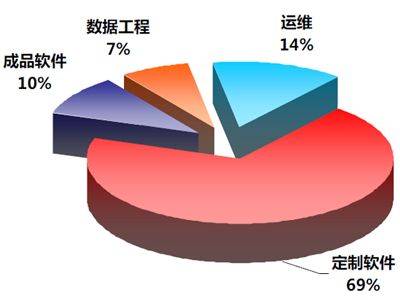
According to studies by authoritative institutions such as ibm systems scientific research institute, the direct cost of a typical software development project (covering the core elements of design, coding, testing, etc.) is approximately 40 per cent of the total cost. This percentage is based on standardized project flow statistics, in which the design phase completes key tasks such as system architecture, module segregation, the coding phase involves the achievement of specific functions, and the testing phase ensures quality through module testing, integration testing, etc. Together, they constitute the core cost of the development phase, and human inputs (e. G. Developers, test engineers'salaries) are the main expenditure items。
Human cost to 50-70 per cent
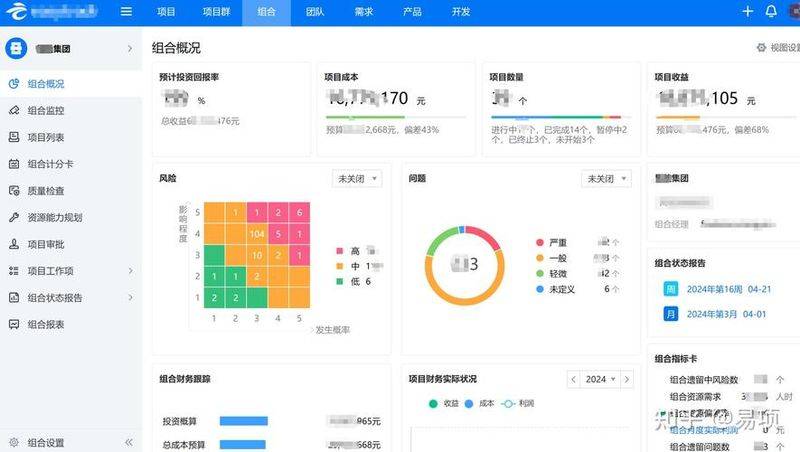
When analysed in terms of cost composition, the human cost of software development usually represents 50-70 per cent of the total project. This scope covers the entire process from needs analysis to receipt and inspection of delivery, including the expenses of remuneration for such roles as needs analysts, architects, developers, testers, project managers, etc. For example, a small- and medium-sized project may increase the overall human cost of the testing phase due to frequent changes in demand, while a large project using automated testing tools may reduce the proportion by reducing the time of manual testing。
Impact factors on percentage fluctuations

The share of software development costs in actual projects may fluctuate due to the following factors:
Overall, the share of the cost of software development needs to be judged in relation to the specific project scenario, but 40 to 70 per cent of the area can provide a reference basis for cost estimates。